Unprecedented Container Fleet Stranded in Gulf Waters
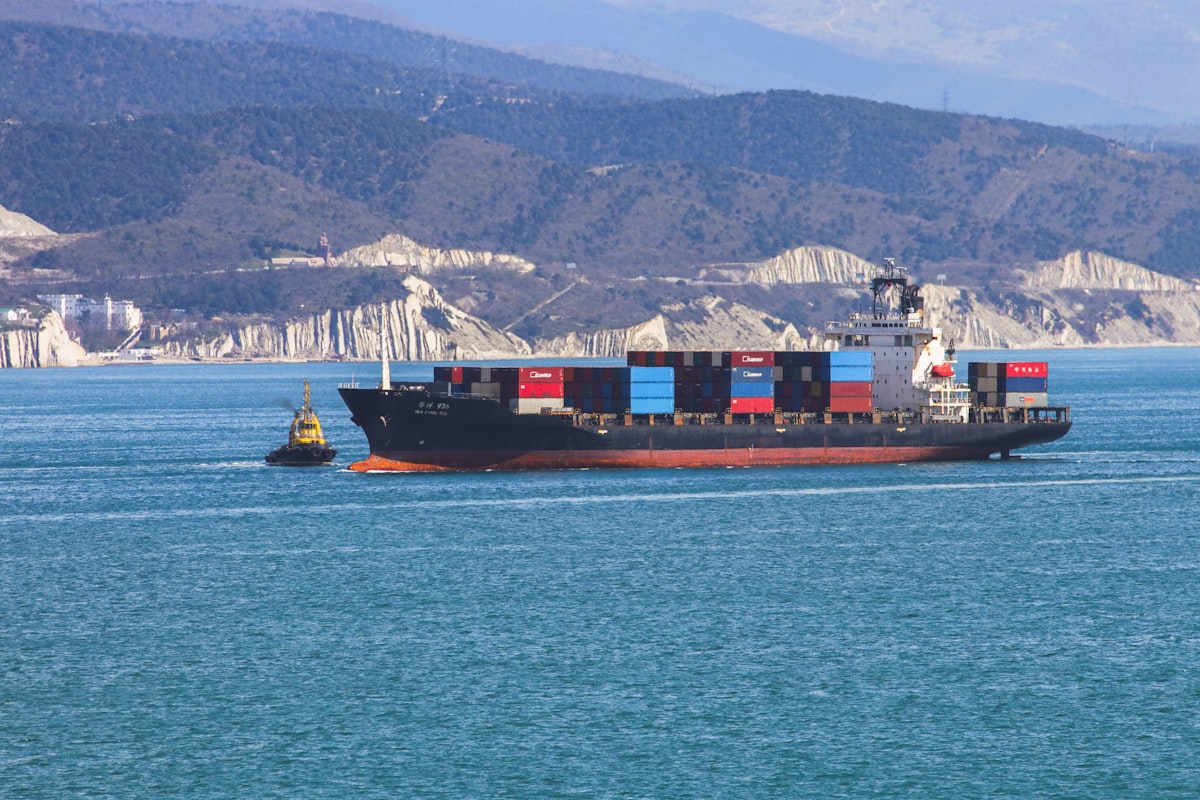
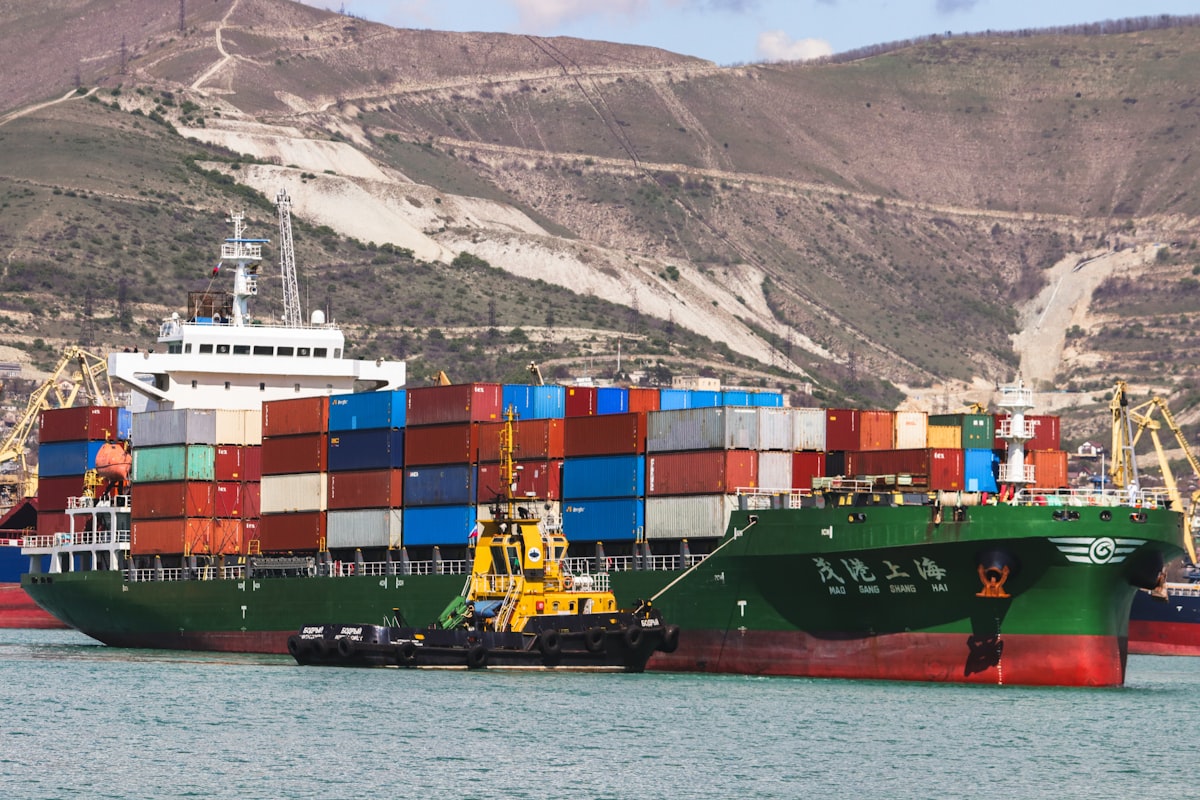
Approximately 170 container vessels carrying an estimated 450,000 twenty-foot equivalent units of cargo are currently trapped inside the Strait of Hormuz, creating the largest concentration of stranded containerized cargo in maritime history and threatening severe supply chain disruptions across the Middle East, Indian subcontinent, and beyond. The stranded fleet, which includes vessels operated by or chartered to virtually every major container shipping line, represents approximately 2 percent of the total global container fleet by number and a significant portion of the capacity deployed on Middle East trade routes.
The trapped vessels are a mix of those that were in the process of loading or discharging at Gulf ports when the crisis escalated and those that were transiting through the strait when the IRGC broadcast its closure warning. Maritime tracking data shows the vessels dispersed across anchorages near Jebel Ali, Khalifa Port, Hamad Port, and at holding areas in the Gulf of Oman just outside the strait's approaches. Many are fully or partially laden with cargo that their owners are desperate to access but cannot reach.
Cargo Value and Composition
The 450,000 TEU of stranded cargo encompasses an enormous range of commercial goods, reflecting the diverse economies of the Gulf region and the trade patterns that connect them with the rest of the world. Industry analysts estimate the total value of the trapped cargo at approximately $15 to $20 billion, based on average container cargo values and the mix of import and export goods typically moving through Gulf ports.
Inbound cargo trapped on the stranded vessels includes consumer electronics, automotive parts and complete vehicles, construction materials, food products, pharmaceutical supplies, and industrial equipment destined for the rapidly growing economies of the UAE, Saudi Arabia, Qatar, and Kuwait. Export cargo includes petrochemicals, aluminum products, processed food items, and a wide range of manufactured goods from the Gulf's expanding industrial base. The diversity of the trapped cargo means that the disruption affects virtually every sector of the Gulf economy simultaneously.
Reefer containers represent a particularly acute concern. An estimated 25,000 to 30,000 refrigerated containers are among the stranded fleet, carrying perishable goods including fresh produce, frozen meat, dairy products, and temperature-sensitive pharmaceutical products. While reefer containers can maintain temperature independently as long as they receive power from the vessel's electrical system, the uncertainty about how long the vessels will remain stranded creates growing anxiety about potential cargo losses that could run into hundreds of millions of dollars.
Supply Chain Disruption Radiates Outward
The stranding of 170 containerships does not just affect the Gulf region—it creates cascading disruptions across the entire global container shipping network. Each stranded vessel was scheduled to proceed to multiple subsequent ports of call after completing its Gulf port operations, and its absence from the network creates gaps in service coverage that affect trade flows across Asia, Europe, Africa, and beyond.
Container equipment imbalances are already emerging as a consequence of the stranding. The 450,000 TEU of container equipment trapped in the Gulf represents a significant portion of the global equipment pool deployed on Middle East trade routes. Shipping lines are reporting acute shortages of empty containers at Asian export hubs, as equipment that would normally cycle back from the Gulf after discharging import cargo is now immobilized. Equipment repositioning costs, already elevated from the Red Sea diversions, are climbing further as carriers scramble to source containers from alternative locations.
Transshipment hubs that depend on feeder connections to Gulf ports are also severely affected. The major transshipment ports of Colombo, Salalah, and Jebel Ali itself handle enormous volumes of container traffic that is transferred between large mainline vessels and smaller feeder ships serving regional ports. With mainline vessel schedules disrupted and feeder operations suspended, cargo destined for smaller ports throughout the Indian Ocean, East Africa, and the Red Sea coastal states faces delays measured in weeks or months.
Container Lines Face Mounting Financial Exposure
The financial exposure for container shipping lines from the stranded fleet is substantial and growing daily. Vessel operating costs for a modern large container vessel run approximately $30,000 to $50,000 per day, covering crew wages, insurance, maintenance provisions, and administrative overhead. With 170 vessels stranded, the collective daily operating cost burden across the industry is estimated at $5 to $8 million—money being spent with no revenue being generated.
Demurrage and detention charges present an additional financial dimension. Under standard shipping terms, cargo owners are responsible for charges when containers are not returned to the shipping line within specified free time periods. However, when the delay is caused by circumstances beyond the cargo owner's control—as is clearly the case with a military-imposed strait closure—the applicability of demurrage charges becomes a matter of legal dispute. Shipping lawyers anticipate thousands of individual disputes arising from the stranding, creating a workload for maritime arbitration tribunals that could take years to resolve.
The longer the vessels remain stranded, the more complex the eventual recovery operation becomes. When the strait eventually reopens, the simultaneous departure of 170 containerships will create severe congestion at the approaches, requiring careful traffic management by the Omani and Iranian authorities that oversee vessel transit arrangements. Downstream port congestion will follow as the accumulated cargo arrives in waves at destination ports worldwide, potentially overwhelming terminal capacity and creating secondary delays that compound the disruption weeks after the initial crisis has resolved.