The Most Ambitious Maritime Strategy Since 1936
The White House released America's Maritime Action Plan on February 13, 2026, calling it the most comprehensive national maritime strategy since the Merchant Marine Act of 1936. The 34-page document, responding to President Trump's April 2025 executive order to "Restore America's Maritime Dominance," identifies domestic shipbuilding decline, a diminished US-flagged fleet, and an eroded maritime workforce as core national security and economic vulnerabilities. The plan arrives at a moment when the Strait of Hormuz crisis has made maritime supply chain security viscerally tangible to policymakers and the public alike.
The numbers behind the plan are stark. The United States currently builds fewer than 1 percent of new commercial vessels globally. Of the country's 66 shipyards, only eight are fully operational newbuild facilities, with 11 having some limited capacity. The US-flagged commercial fleet has contracted to a fraction of its mid-20th century peak, with American-built vessels representing a negligible share of international trade capacity. The MAP attempts to reverse decades of decline through a combination of industrial policy, tax incentives, workforce development, and regulatory reform.
Maritime Prosperity Zones and Tax Incentives
The plan's centerpiece is the establishment of Maritime Prosperity Zones—designated areas where shipbuilding investment would receive accelerated tax benefits, streamlined permitting, and preferential access to federal contracts. These zones are modeled on successful special economic zone concepts from Asian shipbuilding nations, adapted for American regulatory and labor market conditions. The plan envisions concentrating shipyard modernization investment in specific coastal regions to achieve economies of scale and supply chain clustering.
Federal support for shipyard modernization includes upgrading dry docks, heavy-lift infrastructure, digital shipyard technologies, and port-to-yard connectivity. The plan acknowledges that existing American shipyards were largely designed for naval construction and lack the production engineering, material flow optimization, and automated assembly systems that characterize competitive commercial shipyards in Asia. Bridging this capability gap requires not just capital investment but fundamental rethinking of shipyard layout, workflow design, and production management.
The Foreign Vessel Fee: $66 Billion Over 10 Years
Perhaps the plan's most controversial proposal is a universal fee on foreign-built vessels entering US ports. Based on tonnage calculations, even a modest fee of one cent per deadweight ton could generate approximately $66 billion over 10 years—a revenue stream dedicated to funding the maritime industrial renaissance. The proposal has drawn immediate criticism from importers, retailers, and trading partners who argue it amounts to a tariff on international shipping that will increase consumer costs.
Proponents counter that the fee represents a fraction of total shipping costs and creates a dedicated funding mechanism independent of annual congressional appropriations. The economic logic is straightforward: if every foreign-built vessel entering US waters contributes modestly to domestic shipbuilding development, the cumulative investment could eventually reduce American dependence on foreign shipyards for both commercial and naval construction—a strategic advantage worth the modest per-unit cost increase.
The Hormuz Crisis Validates National Security Arguments
The timing of the MAP's release, weeks before the Strait of Hormuz crisis erupted, appears prescient. The current maritime disruption validates precisely the national security arguments that the plan's architects advanced. When critical shipping lanes close, nations dependent on foreign-built, foreign-flagged, and foreign-crewed vessels find themselves with limited ability to project maritime commercial power or maintain supply chain resilience. The crisis demonstrates that maritime capability is not merely an industrial policy preference but a genuine national security requirement.
Defense analysts note that the US military's sealift capacity—the ability to transport military equipment and supplies by sea during conflicts—has deteriorated alongside commercial shipbuilding. The Maritime Action Plan explicitly links commercial shipbuilding revitalization to military sealift readiness, arguing that a healthy commercial shipbuilding base provides the industrial surge capacity necessary for national defense.
The Asian Competition Reality
Any realistic assessment of American shipbuilding ambitions must contend with the extraordinary competitive advantages of Asian yards. China, South Korea, and Japan collectively build approximately 90 percent of global commercial tonnage, with Chinese yards alone accounting for over 50 percent of new orders. These nations benefit from decades of continuous investment, massive scale economies, deeply experienced workforces, and government support structures that the United States cannot replicate quickly.
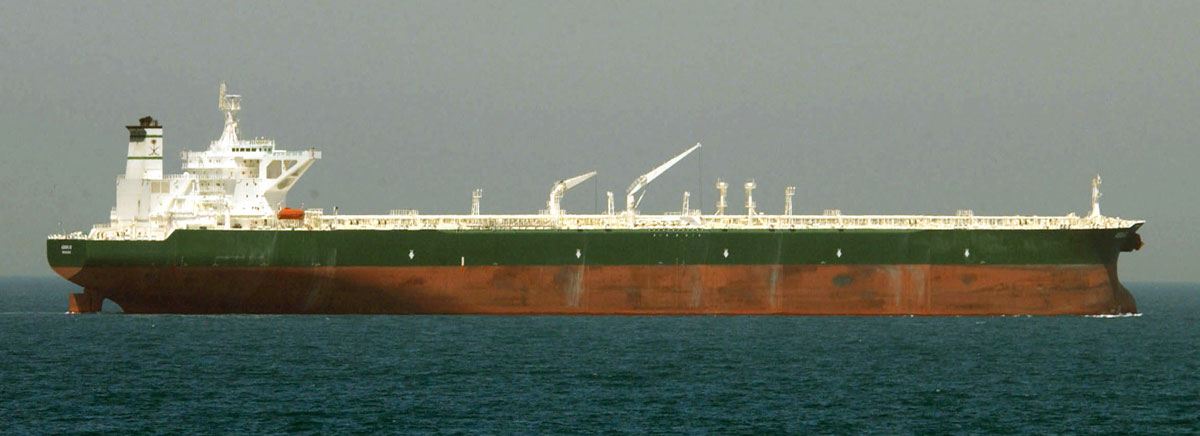
Chinese shipyards routinely deliver VLCCs for $120 million and container vessels at prices that reflect production volumes, supply chain integration, and labor cost advantages that American yards cannot currently match. Korean and Japanese yards maintain quality advantages in specialized vessels. The MAP acknowledges this competitive gap but argues for strategic specialization rather than volume competition—focusing American yards on high-value, technologically advanced vessel types including LNG carriers, offshore energy vessels, and next-generation autonomous ships.
Workforce Challenges and Realistic Timelines
The maritime workforce challenge may prove more formidable than the capital investment requirements. American shipyards face acute shortages of welders, marine engineers, naval architects, and specialized trades essential for modern shipbuilding. The plan proposes expanded apprenticeship programs, partnerships with community colleges, and maritime academy funding, but building a skilled shipyard workforce requires years of training and experience that cannot be compressed through funding alone.
Realistic timeline assessment suggests that meaningful commercial shipbuilding output from revitalized American yards is a decade-plus proposition. Building a single newbuild yard from greenfield to operational capability typically requires five to seven years, assuming consistent funding and regulatory support. Training a workforce from apprentice to journey-level competence adds another three to five years. The plan's ambitions, while strategically sound, require sustained political commitment across multiple presidential administrations—historically the most challenging requirement for any American industrial policy initiative.
What This Means: Strategic Intent Versus Industrial Reality
America's Maritime Action Plan represents the most serious governmental engagement with shipbuilding industrial policy in nearly a century. The strategic logic is compelling: a nation that depends on maritime trade for economic prosperity cannot indefinitely outsource the construction and operation of its commercial fleet to potential competitors and adversaries. The Hormuz crisis reinforces this argument with uncomfortable immediacy. However, the gap between strategic intent and industrial reality remains vast. Building a competitive shipbuilding industry requires patient capital, workforce development, and sustained political commitment measured in decades. The MAP provides the strategic framework—whether America has the institutional patience to execute it remains the fundamental question.