Operation Blue Intruder Targets Sanctions-Evading Vessel
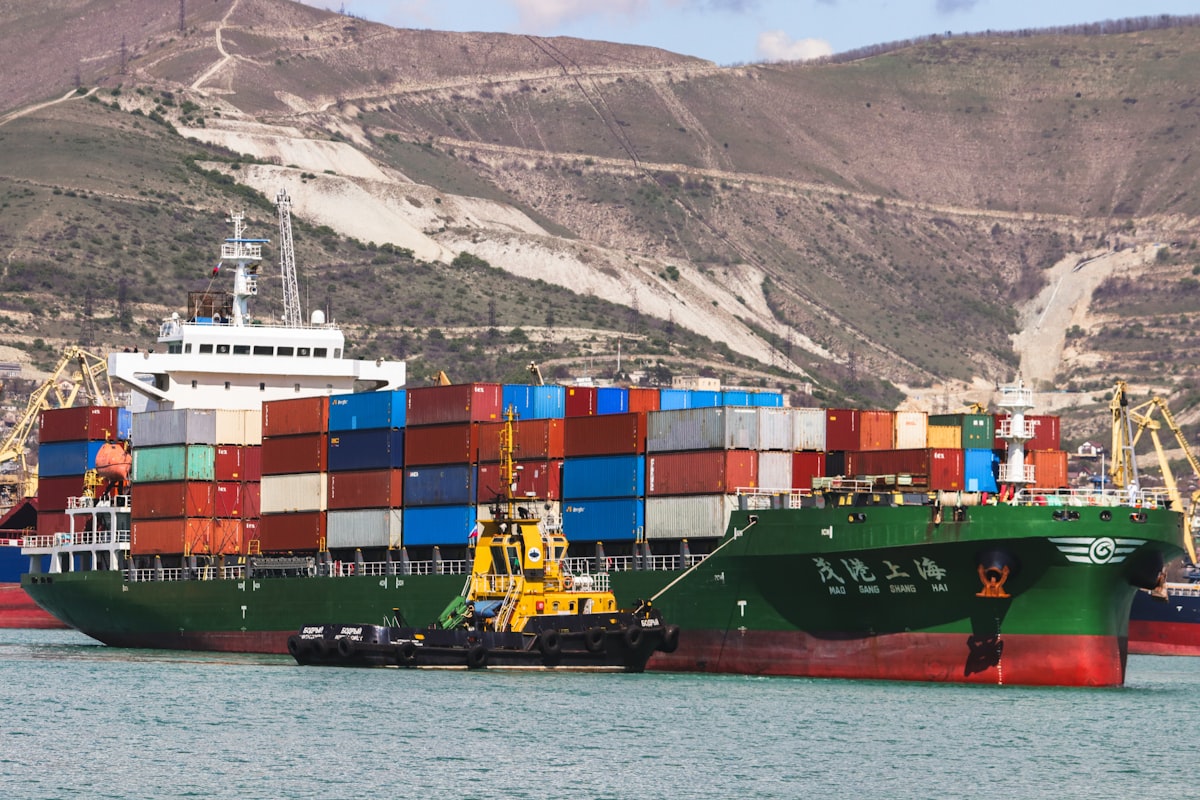
Belgian naval commandos, supported by French military assets, have seized the Russian-linked oil tanker Ethera in the North Sea in a coordinated law enforcement operation codenamed Operation Blue Intruder, marking the second European seizure of a suspected Russian shadow fleet vessel in recent months and signaling an escalation in Western enforcement efforts against the clandestine shipping network that has enabled Russia to circumvent oil export sanctions imposed following the invasion of Ukraine.
The operation was conducted approximately 40 nautical miles northwest of the Belgian port of Zeebrugge in the early hours of the morning. Belgian Special Operations Forces, deployed from the patrol vessel BNS Castor, boarded the Ethera after the vessel ignored multiple radio commands to heave to for inspection. A French Navy NH90 Caiman helicopter from the frigate FS Normandie provided aerial surveillance and tactical support during the boarding, while Belgian maritime patrol aircraft maintained a surveillance perimeter around the area of operations.
Vessel Details and Flag State Deception
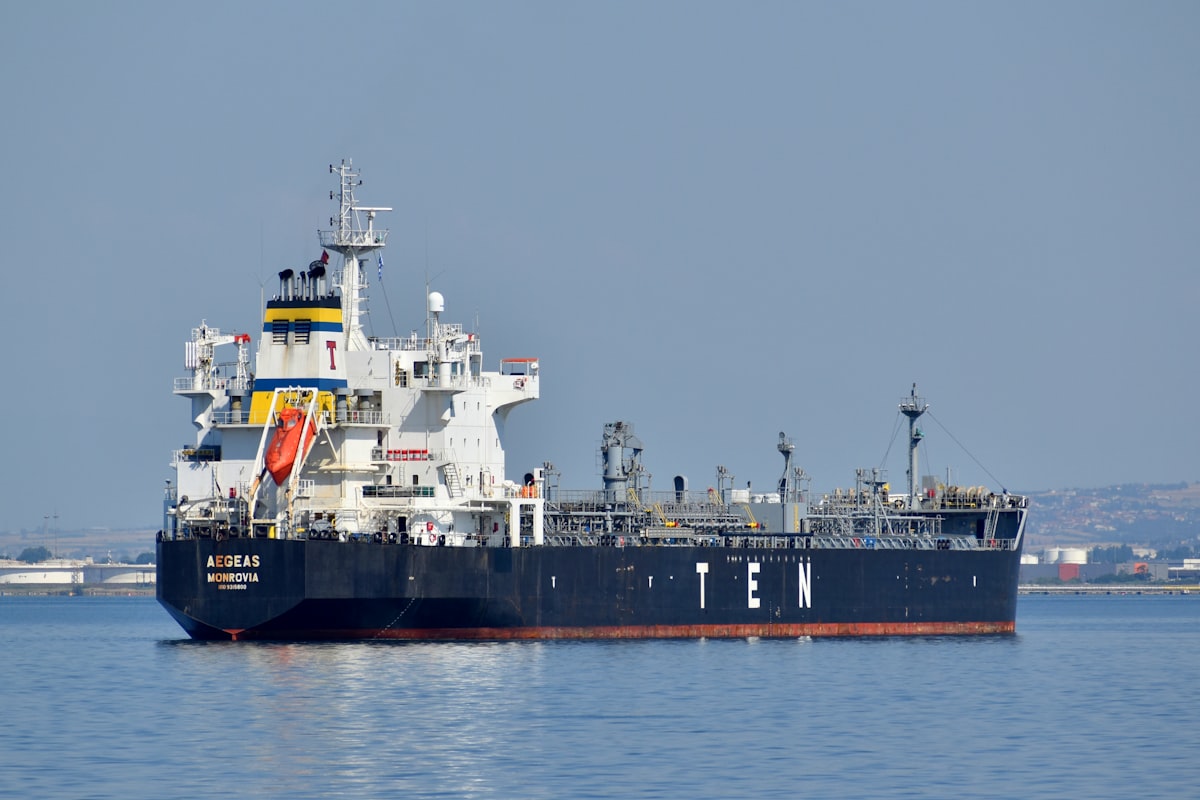
The Ethera is a 115,000-deadweight-ton Aframax crude oil tanker built in 2006 at a South Korean shipyard. The vessel was sailing under a flag purportedly issued by the Republic of Guinea, but Belgian maritime authorities determined through verification with Guinean authorities that the flag documentation was fraudulent—the vessel had no legitimate registration with any recognized flag state at the time of its seizure. The use of false flag documentation is a hallmark of the Russian shadow fleet, which employs a web of shell companies, obscure flag registries, and falsified paperwork to disguise the ownership and trading patterns of vessels carrying sanctioned Russian crude oil.
Belgian prosecutors have identified the vessel's beneficial owner as a Cyprus-registered company with links to a network of entities previously flagged by European sanctions enforcement agencies. The vessel's Russian captain and 22 crew members, predominantly of Russian and Georgian nationality, have been detained for questioning. The captain is facing preliminary charges related to sanctions evasion, falsification of maritime documents, and violation of Belgian maritime safety regulations. If convicted, he could face up to 10 years in prison under Belgian law.
Maritime intelligence firms that track the shadow fleet estimate that the Ethera had been involved in ship-to-ship oil transfers in the Mediterranean and the Atlantic, a common technique used to launder the origin of Russian crude oil before it reaches refineries in countries that have committed to observing the G7 oil price cap. The vessel's AIS transponder data shows a pattern of intermittent transmission consistent with deliberate efforts to evade tracking—turning off the transponder during loading and transfer operations and reactivating it only during open-ocean transits.
Growing European Enforcement Campaign
The seizure of the Ethera follows France's capture of the shadow fleet tanker Grinch in the English Channel in January, establishing a pattern of increasingly assertive European action against sanctioned Russian oil transportation. The two operations represent a significant departure from the previous approach of monitoring and documenting shadow fleet activities without physical intervention, and suggest that European naval forces have received expanded rules of engagement and legal authorization to interdict suspected sanctions-evading vessels in European waters.
European Union officials have expressed growing frustration with the shadow fleet's continued ability to transport Russian oil above the $60 per barrel price cap established by the G7 coalition. Despite the price cap mechanism and associated sanctions, Russia has continued to export crude oil at prices well above the cap, generating revenue estimated at $15 to $20 billion above what the cap was designed to permit. The shadow fleet, comprising an estimated 600 to 800 vessels of varying age and condition, has been the primary mechanism enabling this sanctions evasion.
NATO naval commanders have briefed alliance members on contingency plans for expanded shadow fleet interdiction operations, including the possibility of establishing a dedicated maritime patrol zone in the North Sea, English Channel, and Baltic Sea approaches where suspected shadow fleet vessels would be subject to mandatory inspection. Such a zone would represent the most significant expansion of peacetime naval enforcement operations in European waters since the end of the Cold War.
Safety and Environmental Concerns
Beyond the sanctions enforcement dimension, the shadow fleet poses serious safety and environmental risks that have added urgency to European intervention efforts. Many shadow fleet vessels are aging tankers that have been acquired at steep discounts specifically because they are approaching or have exceeded their normal operational lifespans. These vessels frequently operate without adequate maintenance, valid classification society certificates, or proper insurance coverage, creating the risk of catastrophic mechanical failures, oil spills, or maritime casualties.
The European Maritime Safety Agency has identified the shadow fleet as a "significant and growing threat to the marine environment" in European waters, noting that a major oil spill from a shadow fleet vessel could cause billions of dollars in environmental damage to the coastlines of EU member states. Environmental organizations including Greenpeace and the World Wildlife Fund have called for even more aggressive enforcement, arguing that the combination of safety and environmental risks justifies the detention of any vessel suspected of operating without proper documentation or insurance, regardless of the sanctions enforcement dimension.
The seized Ethera has been escorted to the port of Zeebrugge, where it will be held pending the outcome of judicial proceedings. Its cargo of approximately 700,000 barrels of crude oil—worth an estimated $57 million at current prices—has been placed under Belgian court custody and may ultimately be subject to forfeiture if the vessel is found to have been engaged in sanctions evasion.