Historic First: Commercial Vessel Docks Without Human Intervention
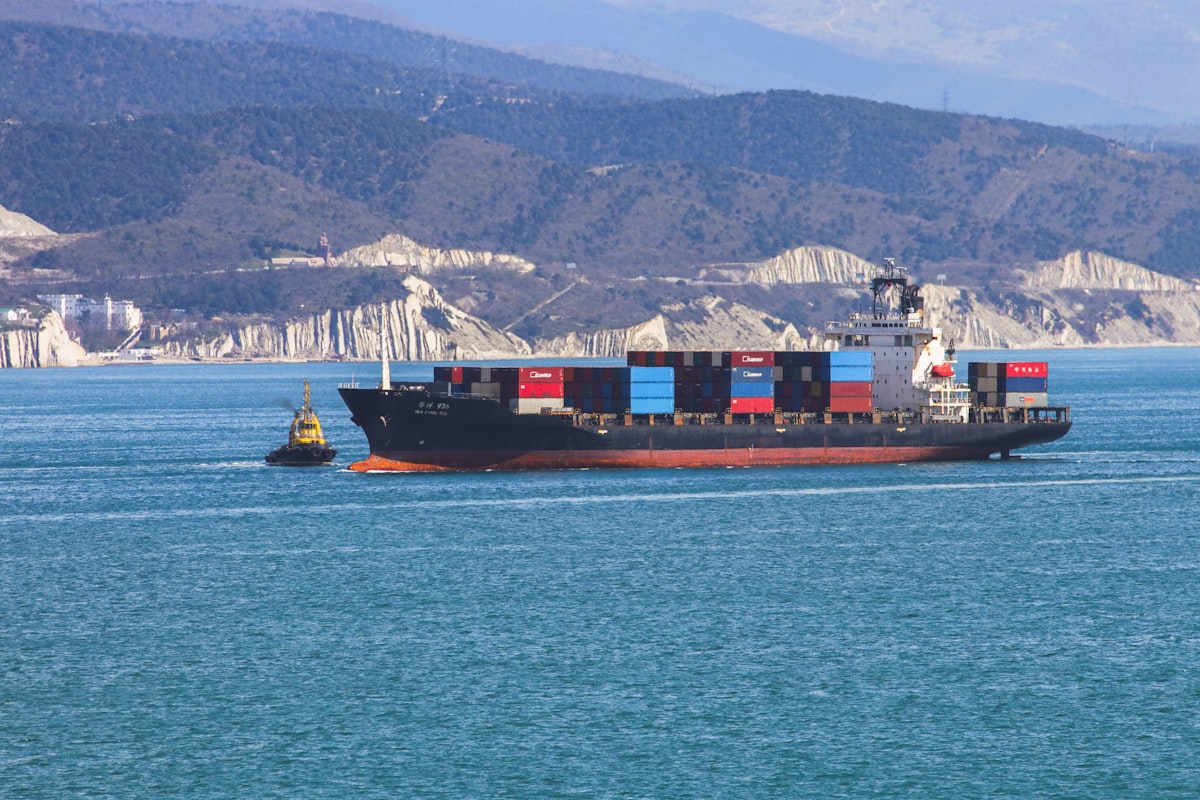
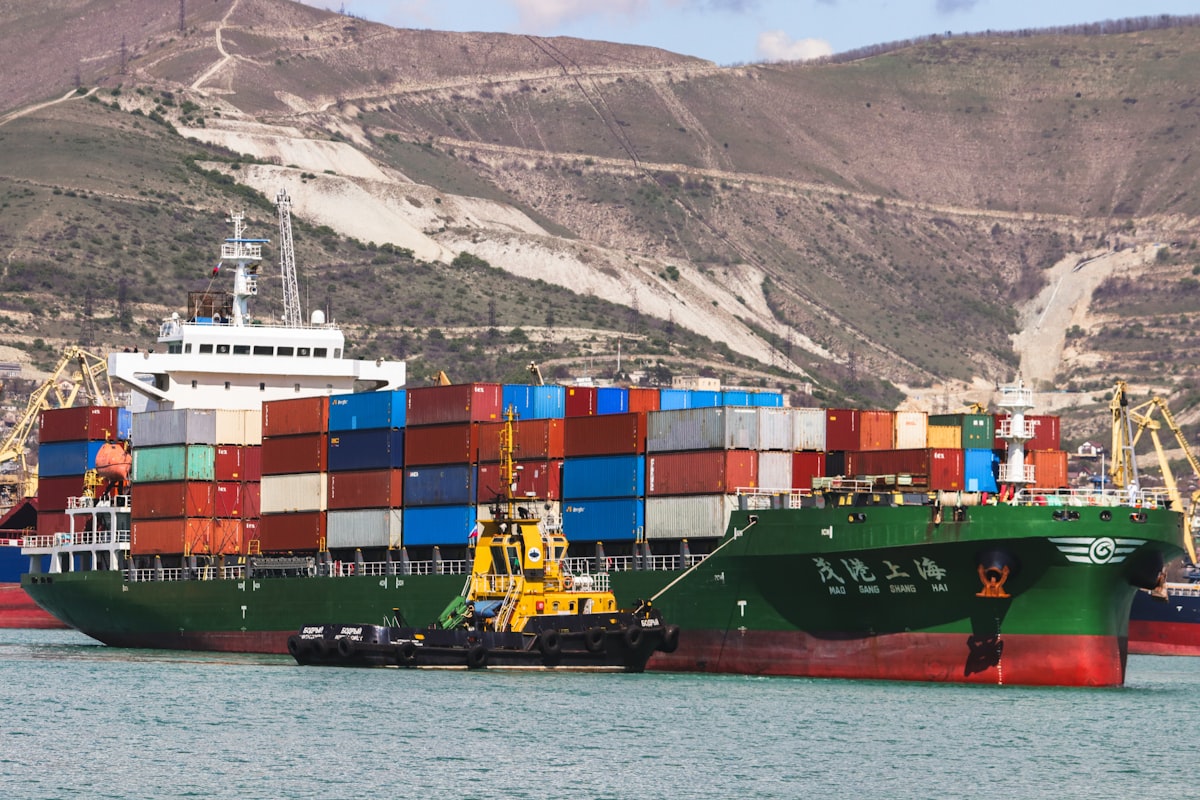
China's autonomous vessel Zhi Fei has achieved a milestone in maritime history by completing the first fully autonomous commercial vessel docking at a Chinese port, navigating the final approach, berthing maneuver, and mooring sequence entirely without human intervention. The vessel, a 300-TEU feeder container ship operating in the Pearl River Delta region, used an advanced suite of sensors, artificial intelligence navigation algorithms, and a vacuum mooring system to secure itself alongside the berth in approximately 30 seconds—a process that typically takes human crews between 15 and 30 minutes using conventional mooring lines handled by dockside linesmen and onboard deck crews.
The successful docking was conducted at Zhuhai Port in Guangdong Province under the supervision of the China Classification Society and witnessed by officials from the Chinese Ministry of Transport, representatives from the International Maritime Organization, and delegations from several major shipping companies. The vessel approached the berth at a controlled speed of approximately 0.3 knots, using a combination of GPS, lidar, radar, and computer vision systems to maintain precise positioning throughout the approach. At the final stage, the vessel's automated mooring system engaged vacuum suction pads mounted on the quay wall, pulling the vessel securely against the fenders and holding it in position without the use of traditional mooring lines.
Technology Behind the Achievement
The Zhi Fei's autonomous navigation system was developed by a consortium led by China's Wuhan University of Technology in partnership with several state-owned technology enterprises and the classification society. The system integrates multiple sensor modalities into a unified situational awareness platform that processes data from over 30 individual sensors in real time, generating a comprehensive digital model of the vessel's environment that includes other vessels, fixed structures, current and wind conditions, and water depth.
The artificial intelligence at the core of the system employs a hybrid approach combining deep reinforcement learning—trained on millions of simulated docking scenarios—with traditional rule-based safety constraints that ensure the vessel operates within pre-defined physical parameters. The reinforcement learning component enables the system to adapt to varying environmental conditions including crosswinds, tidal currents, and vessel loading states, while the rule-based constraints provide a safety envelope that prevents the AI from taking actions that could result in contact damage or unsafe vessel motion.
The vacuum mooring system, supplied by the Dutch maritime technology company Cavotec, represents a complementary innovation that is essential to the autonomous docking concept. Traditional mooring with rope lines requires human crews on both the vessel and the shore side—typically six to eight people working in coordination—and is one of the most labor-intensive and hazardous operations in port logistics. Vacuum mooring eliminates this requirement entirely, using powerful suction pads that grip the vessel's hull and can hold ships of up to 200,000 deadweight tons securely against the quay in wind conditions up to Beaufort Force 9.
Smart Port Market Explosion
The Zhi Fei's achievement arrives amid explosive growth in the global smart port technology market, which industry research firm MarketsandMarkets projects will expand from approximately $5 billion in 2024 to $40 billion by 2034, representing a compound annual growth rate of approximately 23 percent. This growth is being driven by the convergence of several technology trends: autonomous vessel navigation, automated terminal equipment including remote-controlled cranes and autonomous straddle carriers, digital twin modeling of port operations, and blockchain-based cargo documentation systems.
China is positioning itself at the forefront of this transformation. The country already operates several of the world's most automated container terminals, including the Shanghai Yangshan Phase 4 terminal, which uses automated guided vehicles, remote-controlled quay cranes, and an AI-powered terminal operating system to handle containers with minimal human intervention. The addition of autonomous vessel capabilities to this existing automation infrastructure represents the next logical step toward a fully integrated digital port ecosystem.
Other nations are pursuing similar capabilities. Norway has been testing autonomous vessel operations in its fjords, with the Yara Birkeland—a battery-powered autonomous container vessel—completing trial voyages between Heroya and Brevik. Japan's NYK Line has been developing autonomous navigation systems for ocean-going vessels, targeting commercial deployment by 2028. South Korea's Hyundai Heavy Industries is integrating autonomous navigation features into its newbuilding designs. The competition to lead in autonomous shipping technology has significant strategic implications, as the nation that establishes global standards for autonomous vessel operations will gain a substantial competitive advantage in maritime technology exports.
Regulatory and Labor Implications
The regulatory framework for autonomous vessel operations remains a work in progress. The International Maritime Organization has been developing a Maritime Autonomous Surface Ships regulatory scoping exercise since 2018, with the goal of establishing a comprehensive international framework that addresses the safety, security, environmental, and liability aspects of autonomous shipping. The Zhi Fei's successful docking demonstrates that the technology has advanced faster than the regulatory framework, creating pressure on the IMO to accelerate its deliberations.
Labor implications are among the most sensitive aspects of the autonomous shipping debate. The global maritime industry employs approximately 1.9 million seafarers, many from developing nations where seafaring represents one of the highest-paying career options available. The International Transport Workers' Federation has expressed concern that autonomous vessel technology could eliminate hundreds of thousands of jobs over the coming decades, and has called for international agreements to ensure that the transition to autonomous shipping includes provisions for retraining, redeployment, and social safety nets for affected workers.
Proponents of autonomous shipping counter that the technology will primarily eliminate the most dangerous and physically demanding aspects of seafaring rather than replacing humans entirely. They envision a future in which vessels operate autonomously for routine transits but maintain remote human oversight from shore-based control centers, with the option for emergency human intervention via onboard crew or remotely operated systems. This hybrid model, they argue, would improve safety by reducing human error—the cause of approximately 80 percent of maritime accidents—while preserving skilled employment in monitoring, maintenance, and emergency response roles.