Record Orderbook Threatens Market Stability
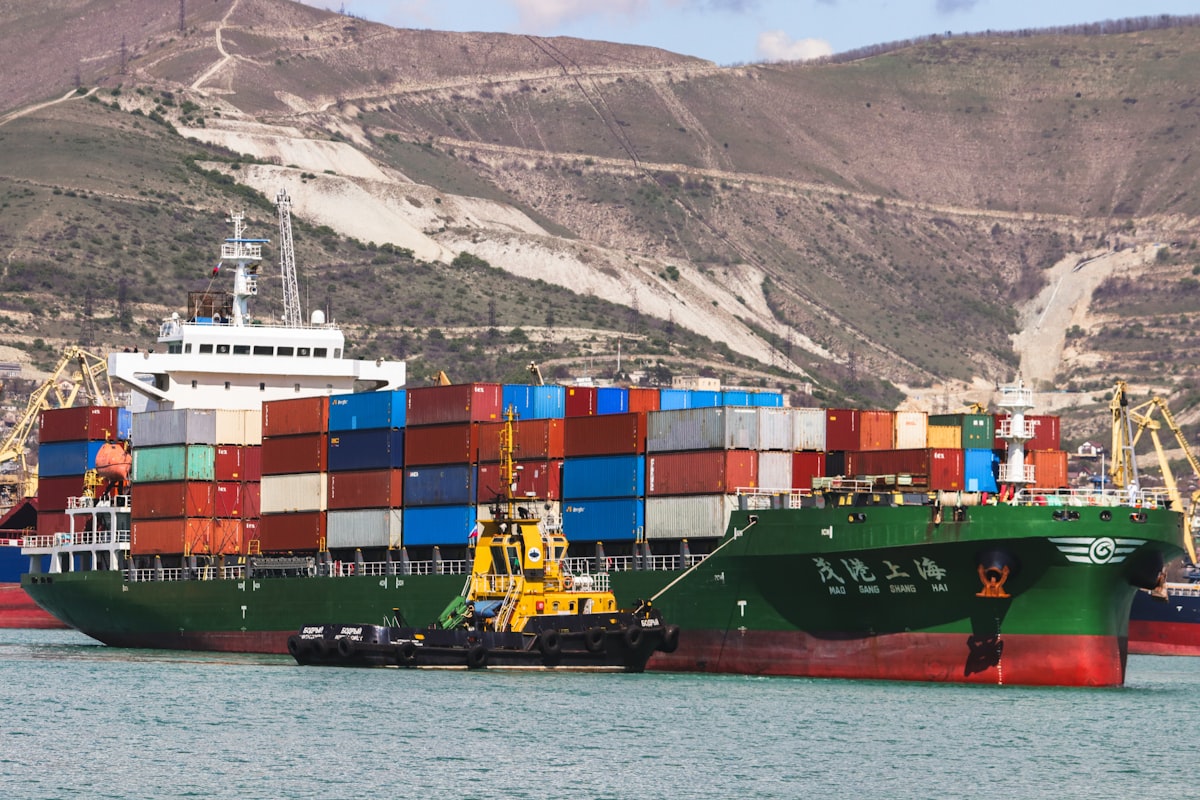
The global container shipping industry is facing what analysts are calling a structural overcapacity crisis of historic proportions, with approximately 1.5 million twenty-foot equivalent units of new vessel capacity scheduled for delivery in 2026 alone—representing fleet growth of approximately 6 percent in a single year against projected demand growth of just 3 percent. The container ship orderbook currently stands at 31 percent of the existing fleet, the highest ratio since 2011 when the industry was reeling from a post-financial-crisis ordering spree that triggered years of depressed freight rates and widespread carrier losses.
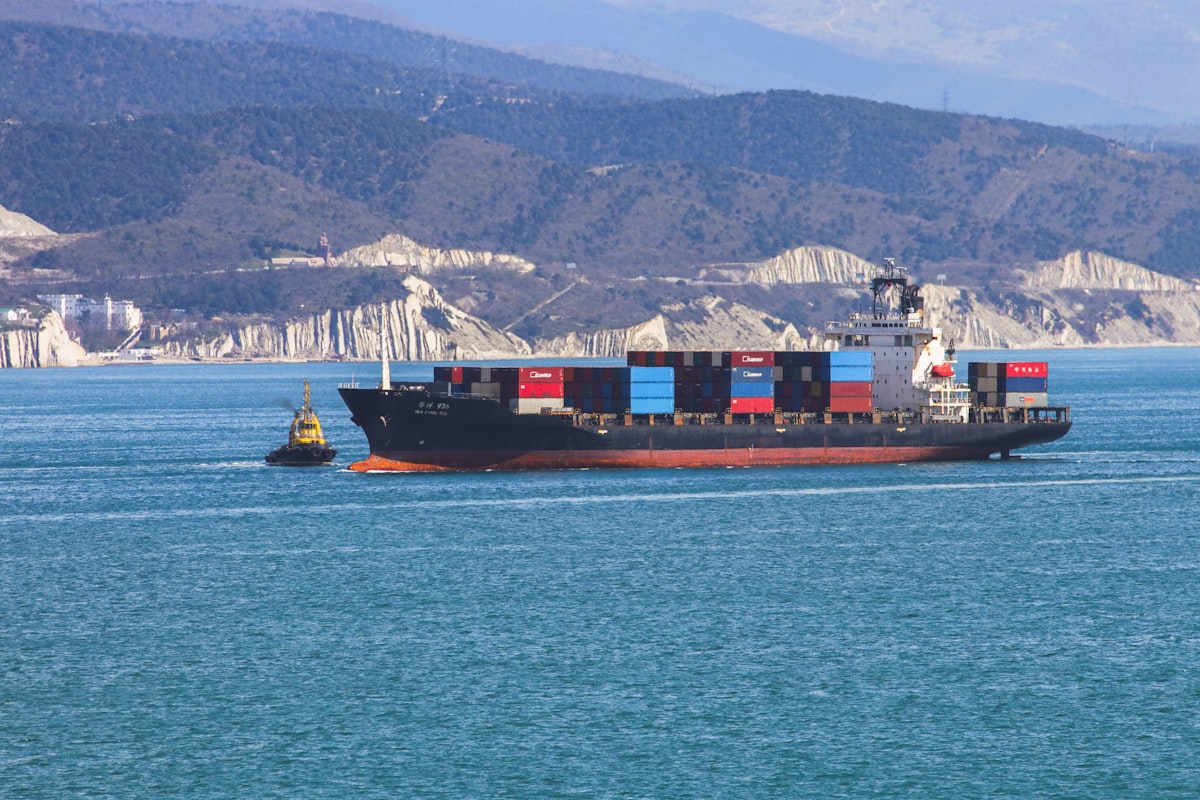
The numbers are staggering in absolute terms. Over 300 new container vessels are expected to enter service in 2026, ranging from ultra-large vessels of 24,000 TEU capacity designed for the Asia-Europe trade to mid-size ships of 7,000 to 15,000 TEU intended for secondary trade lanes. The construction pipeline represents approximately $45 to $50 billion in committed capital expenditure by container shipping lines, the vast majority of which was ordered during the extraordinary profit boom of 2021-2022 when carriers earned record margins and felt confident investing in fleet expansion.
The Paradox: Crisis as Capacity Absorber
Here is the paradox that few in the industry are willing to discuss openly: the ongoing maritime security crises in the Red Sea and now the Strait of Hormuz are actually saving the container shipping industry from itself. The Cape of Good Hope diversions forced upon carriers by the Houthi attacks, now compounded by Hormuz-related reroutings, are absorbing an estimated 2.5 million TEU of effective carrying capacity by extending voyage distances and reducing the number of round trips each vessel can complete per year.
This conflict-driven capacity absorption more than offsets the 1.5 million TEU of newbuilding deliveries, creating artificial market tightness that has kept freight rates elevated despite the massive influx of new tonnage. Without the diversions, spot rates would almost certainly be in freefall. The Asia to U.S. West Coast rate, already down 21 percent to $1,916 per FEU on the seventh consecutive weekly decline, would likely be far lower if vessels were operating on their normal, shorter routing through the Suez Canal and the Strait of Hormuz.
The uncomfortable truth for the industry is that geopolitical disruption has become the primary mechanism preventing a freight rate collapse that would push multiple carriers into operating losses. This creates a perverse dynamic in which the normalization of the security situation—the outcome that everyone publicly desires—would actually be financially devastating for an industry that has committed to a fleet expansion program predicated on demand growth that has not materialized.
Drewry Warns of 25% Rate Drops
Shipping consultancy Drewry has published a detailed analysis warning that freight rates could decline by 25 percent or more if both the Red Sea and Hormuz routes were to normalize simultaneously, allowing vessels to return to their shorter, pre-crisis routings. The analysis models a scenario in which the effective fleet capacity currently absorbed by longer voyages is suddenly released back into the market, creating a supply glut that would overwhelm demand and drive rates below the operating cost breakeven point for less efficient carriers.
Under Drewry's adverse scenario, the Asia-Europe trade lane—the industry's most important by revenue—could see spot rates decline from current levels of approximately $3,000 to $4,000 per FEU to below $1,500, a level at which only the most efficient carriers with the newest vessels and lowest debt burdens would remain profitable. Several mid-tier carriers, including some that expanded aggressively during the pandemic boom, could face existential financial pressure if rates remain depressed for an extended period.
Alphaliner, another leading container shipping research firm, has warned that the industry could face "the most severe overcapacity challenge since the 2015-2016 downturn" if geopolitical disruptions resolve. During that earlier period, freight rates fell to historic lows, the Korean carrier Hanjin Shipping went bankrupt in spectacular fashion, and the industry underwent a wave of consolidation that reduced the number of major carriers from approximately 20 to the current 10 to 12.
Carrier Strategies and the Consolidation Question
Major carriers are pursuing different strategies to manage the overcapacity risk. MSC, the world's largest carrier, has continued acquiring vessels at a furious pace, betting that scale advantages and a debt-light balance sheet will allow it to weather any downturn. Maersk has pivoted toward integrated logistics, reducing its dependence on volatile ocean freight rates by building end-to-end supply chain services. CMA CGM has diversified into air cargo, media, and logistics acquisitions. Hapag-Lloyd has focused on operational efficiency and premium service offerings to maintain margin in a competitive market.
The alliance structure that has governed capacity management in container shipping for the past decade is also in flux. The dissolution of the 2M Alliance between Maersk and MSC, effective in early 2025, removed one of the mechanisms through which the industry coordinated capacity deployment. The newly formed Gemini Cooperation between Maersk and Hapag-Lloyd represents a different model focused on schedule reliability rather than pure capacity sharing, but its effectiveness in managing overcapacity remains untested.
Industry veterans note that the container shipping cycle has historically been brutal in its correction phases. The current combination of record newbuilding deliveries, geopolitically dependent capacity absorption, and uncertain demand growth creates conditions for a potentially severe market correction once the crisis-driven supports are removed. The question is not whether the overcapacity reckoning will come, but when—and whether the industry's current financial reserves, built during the unprecedented pandemic-era profits, will be sufficient to weather the storm. Several analysts have begun quietly raising the possibility of another round of industry consolidation, with smaller carriers becoming acquisition targets for the well-capitalized majors who view the downturn as an opportunity to increase market share.