When Titans Align: What Bartnes at DHT Really Means
Erik Bartnes just joined the board of DHT Holdings, effective March 1, 2026. If you're not neck-deep in the tanker industry, that might seem like a routine personnel move. It isn't. Bartnes co-founded Hafnia Tankers back in 2010, served as executive chair until the company merged with BW Tankers in 2019, and has spent years building one of the most respected operating networks in the crude tanker space. When someone with that pedigree accepts a board seat at DHT Holdings—one of the largest independent VLCC owners in the world—during a period of record tanker rates, you need to pay attention.
Let's be clear about the timing here. This appointment happens while VLCC rates are hitting $423,000 per day. That's not just elevated. That's stratospheric. That's the kind of rate environment that makes everyone involved in tanker ownership look like a genius, whether their operational competence justifies it or not. In this kind of market, even mediocre tonnage is printing money. And when money's being printed that freely, that's when consolidation opportunities emerge.
Here's the question everyone in the shipping community is asking privately: why is Bartnes joining DHT's board right now? What's the strategic vision here? Is this a move toward merger and acquisition activity? Is DHT positioning itself for aggressive fleet expansion? Or is Bartnes simply being tapped to bring operational expertise and market positioning to a company looking to optimize performance during this exceptional rate environment?
The Hafnia Blueprint and DHT's Opportunity
Hafnia was built on a very specific thesis: create a large, professionally managed VLCC fleet with an operational network that could compete with much larger integrated shipping companies. Hafnia didn't try to diversify into containers or bulk or LNG. It focused ruthlessly on crude tankers, built scale in that segment, and created value through operational excellence and market positioning. The model worked. When Hafnia merged with BW Tankers, it created a massive tanker enterprise.
DHT Holdings operates a similar thesis but at a different scale. DHT owns a significant VLCC fleet, operates with disciplined capital allocation, and has historically been a steady earner in the tanker space. They're profitable, well-capitalized, and respected in the market. They're not going bankrupt. They're also not necessarily the most aggressively positioned player for market consolidation and growth.
Bartnes brings something DHT might need: the operating playbook for how you take a VLCC-focused company and scale it through strategic acquisitions, operational optimization, and market positioning. That's exactly what he did at Hafnia. He knows how to identify targets, integrate fleets, optimize operations across enlarged portfolios, and create shareholder value in the tanker space.
The M&A Speculation Is Unavoidable
So here's what the market is probably thinking: Is Bartnes at DHT a signal that management is considering acquisitions? Other VLCC owners that might be targets? Fleet consolidations that would reshape the independent tanker landscape? The timing is certainly interesting. Record rates create the war chest. Board appointments can signal strategic direction. High-profile operational talent brings credibility to execution.
We should be clear: this is pure speculation at this point. There's no announced M&A activity. There's no public indication that DHT is shopping for acquisitions. But the appointment of someone like Bartnes to the board certainly opens up that possibility. It's the kind of move you make when you're getting serious about growth beyond organic fleet development.
The alternative reading: DHT simply wants better operational management and market positioning during this exceptional rate cycle. Bring in someone with Bartnes's experience, optimize the fleet, maximize cash generation, enhance shareholder returns during a period of elevated earnings. That's a perfectly reasonable strategic move too, and it doesn't require any M&A story.
The Gulf Crisis Wildcard
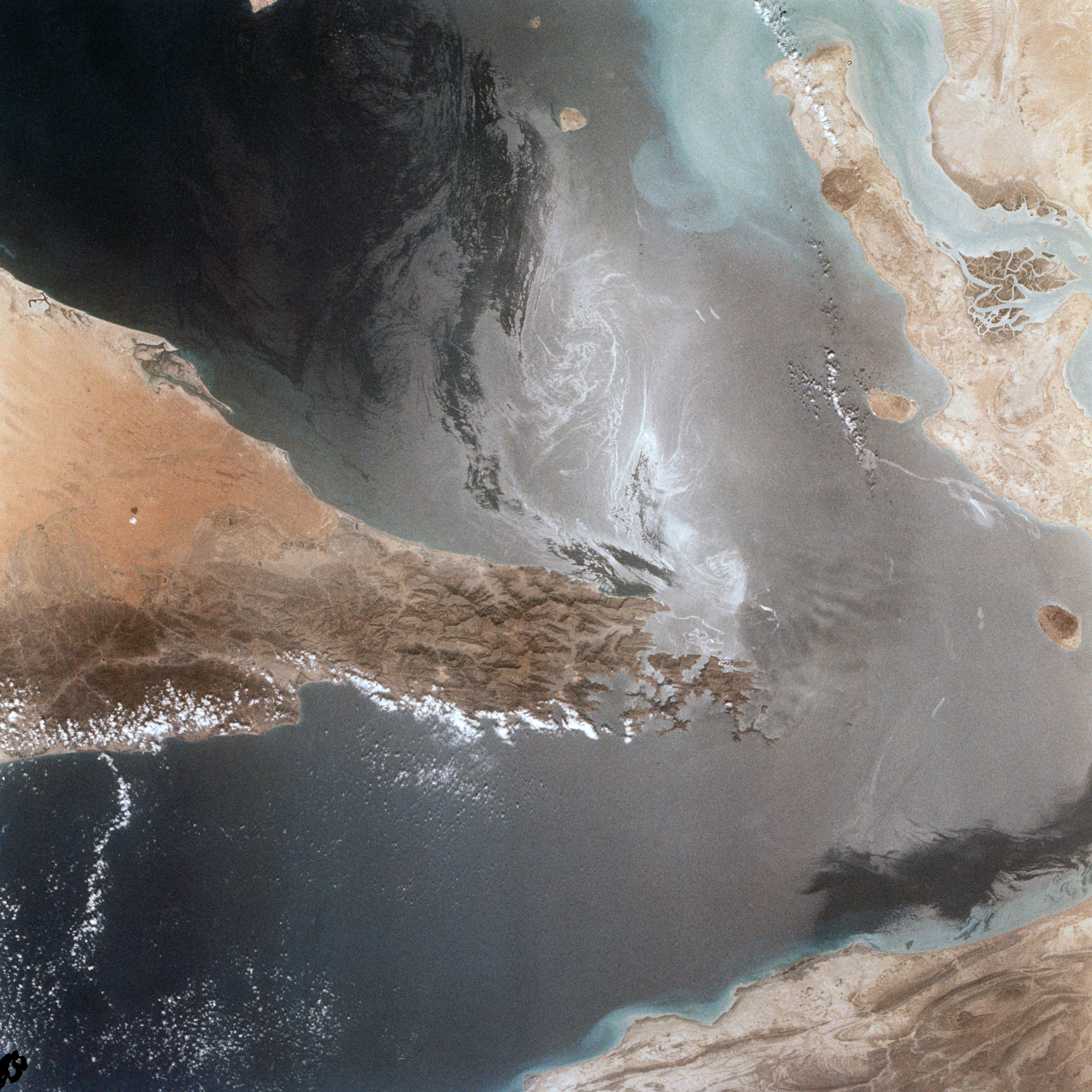
There's another angle worth considering: the Hormuz crisis has created genuine structural opportunities in the tanker market. When shipping routes change, when voyage distances increase, when supply chains reshape around geopolitical uncertainty, you need more tonnage. The move to longer routes around Africa instead of through Hormuz means more ton-miles, longer voyage durations, fewer ships available to move the same cargo.
In that environment, existing VLCC owners are doing exceptionally well. Rates are elevated. Utilization is strong. But there's also a medium-term question about whether you want to be a larger player in this new geopolitical reality. Does DHT want to expand its VLCC fleet to position for a more permanently disrupted geopolitical environment? Is Bartnes being brought in to evaluate expansion opportunities that would capitalize on these structural changes?
This is the insider game in shipping right now. Nobody's making major announcements. But the board appointments, the career moves, the strategic repositioning—these are the real tells about where companies actually think the market is headed. Bartnes joining DHT's board during peak rates and Hormuz chaos certainly suggests someone believes there's significant opportunity in scaling the VLCC business right now. Whether that manifests in M&A or just operational excellence in this exceptional rate environment—that's the story to watch.