The Strait of Hormuz has entered its most dangerous phase since the Iran-Iraq War of the 1980s. Following Operation Epic Fury — the coordinated U.S.-Israeli strike campaign launched on February 28 — the IRGC has declared the waterway closed to commercial traffic, at least three tankers have been hit, and the world's largest marine war risk insurers are pulling coverage for the entire Persian Gulf. The Red Sea crisis has simultaneously reignited as Houthi forces pledge renewed attacks on shipping. For shipowners, underwriters, and fleet operators, the two most consequential chokepoints in global trade are now simultaneously compromised.
Strait of Hormuz: De Facto Closure Grips Global Oil Trade
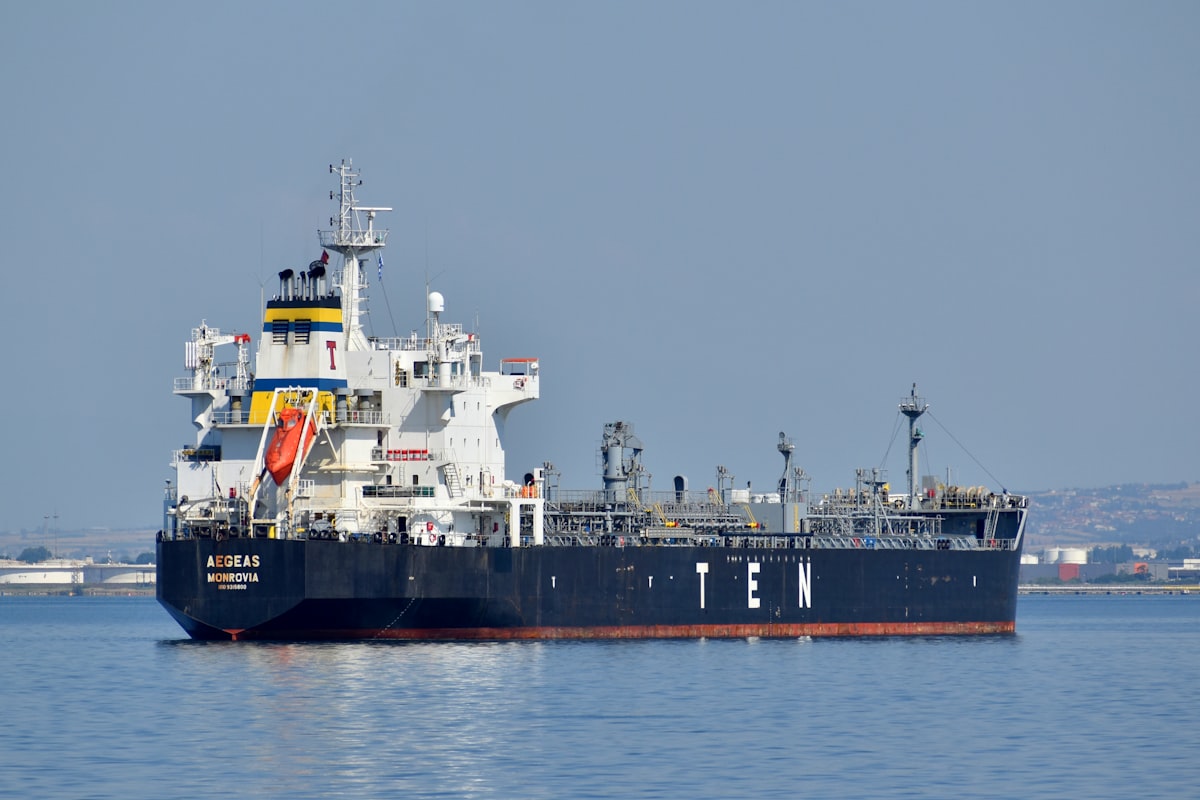
On March 2, a senior IRGC official confirmed via VHF broadcast that no commercial vessels would be permitted to transit the Strait of Hormuz, though Iran has stopped short of declaring a formal blockade under international law. The threat is backed by action: the IRGC struck at least five commercial vessels in a 48-hour window spanning the strait and adjacent waters, including the tanker Skylight in the strait itself, the MKD Vyom (hit twice in the Gulf of Oman), Hercules Star west of Sharjah, and the Tanker Security Program vessel Stena Imperative at Bahrain, according to Defence Security Asia and USNI News.
The U.S. Navy responded with overwhelming force. President Trump confirmed on March 1 that nine Iranian naval vessels had been destroyed, including the IRIS Shahid Bagheri, Iran's first dedicated drone carrier, which was struck at Chah Bahar Pier. U.S. Central Command described sustained operations against IRGC command centers, missile launch sites, and air defense networks across the country.
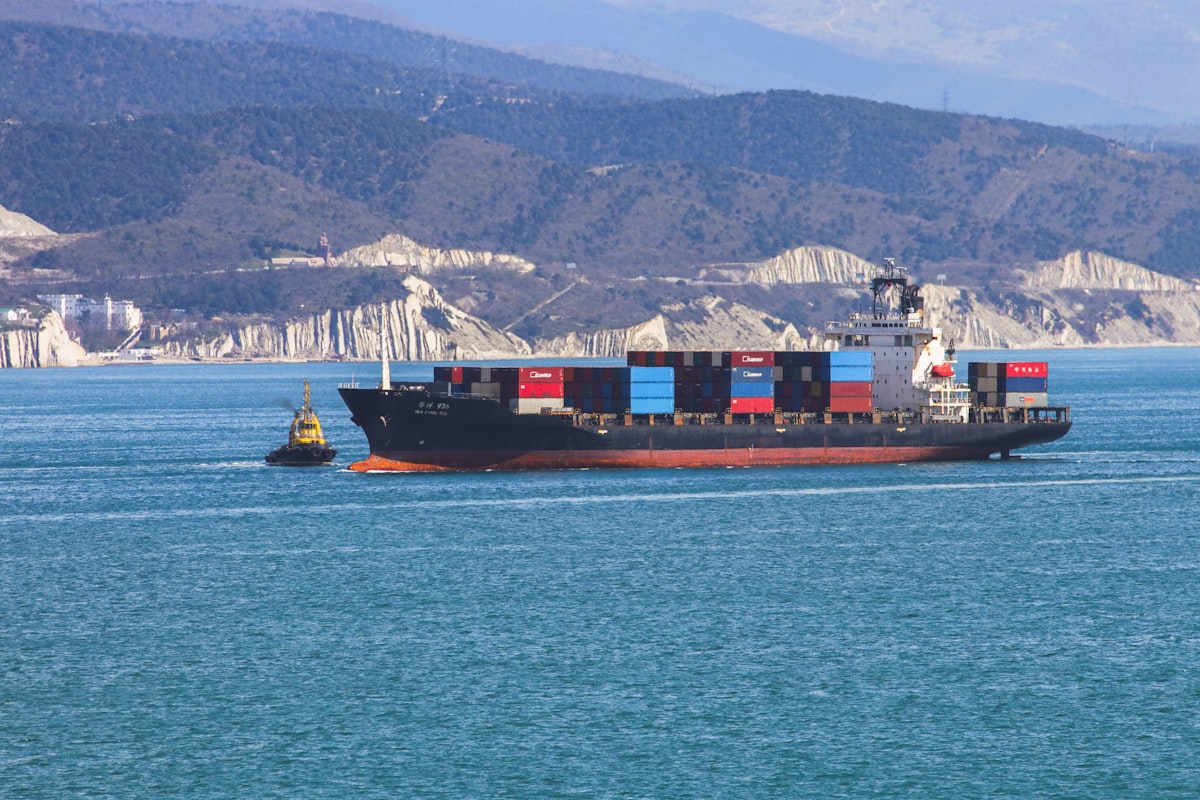
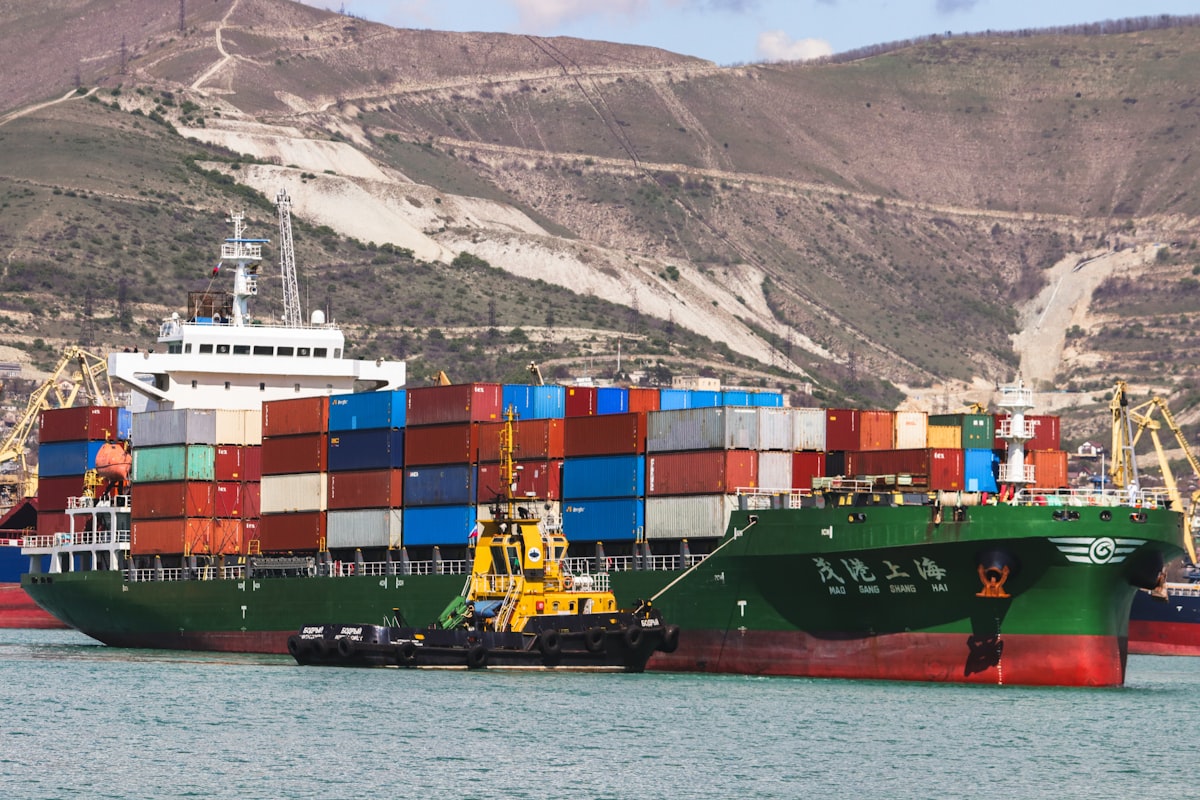
Commercial traffic through the strait has collapsed. CNBC reported transit volumes down at least 80 percent, with approximately 150 vessels stranded in or near the waterway. Maersk suspended all Hormuz crossings until further notice. Hapag-Lloyd and CMA CGM followed suit, rerouting Middle East services around the Cape of Good Hope. Maersk specifically confirmed that its ME11 and MECL services — linking the Middle East and India to the Mediterranean and U.S. East Coast — are now sailing via southern Africa.
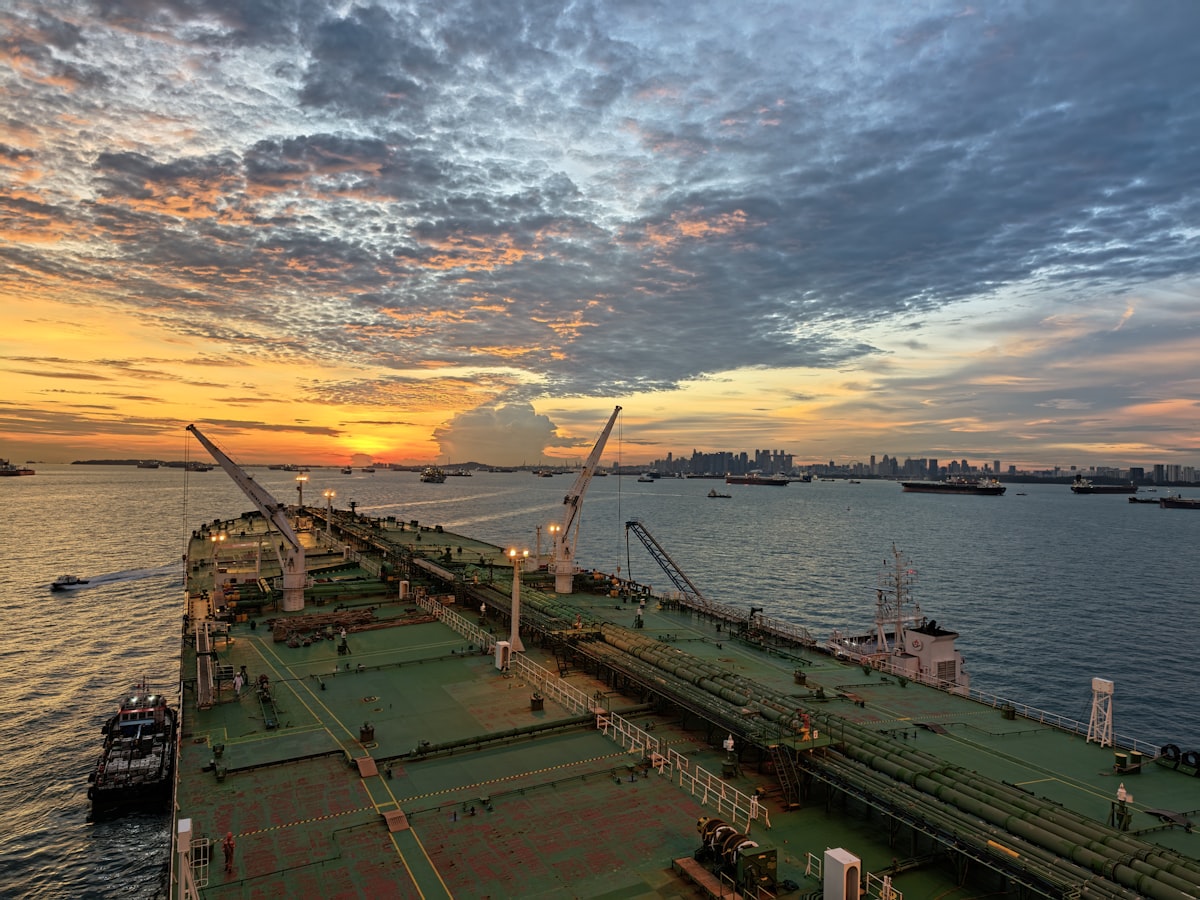
The strait normally handles roughly 20 million barrels of oil per day, representing about 20 percent of global seaborne crude flows. Its effective closure has triggered the most severe supply disruption since the 1990 Gulf War.
War Risk Insurance: Market Seizure Across the Persian Gulf
The insurance market has responded with extraordinary speed. Leading marine war risk providers — including major Lloyd's syndicates and P&I clubs — have begun cancelling cover for vessels operating anywhere in the Persian Gulf, Gulf of Oman, and Strait of Hormuz, according to The National and multiple industry sources. Effective midnight London time on March 5, most major underwriters will terminate war risk coverage entirely for the region.
War risk premiums had already spiked from 0.125 percent to between 0.2 and 0.4 percent of hull value per transit in the days before the escalation. Brokers now indicate rates could exceed 0.5 percent. For a large container vessel insured at $150 million, that translates to a single-transit premium surging from roughly $375,000 toward $750,000 — assuming cover is available at all, which after March 5 it largely will not be.
P&I coverage withdrawal is the harder blow. Without P&I insurance, shipowners face unlimited third-party liability, making commercial operations economically unviable regardless of H&M or war risk pricing. The Joint War Committee has the entire Persian Gulf and surrounding waters under active review, and a formal expansion of the JWC Listed Area appears imminent.
Red Sea: Houthi Attacks Resume After Months of Calm
The Red Sea corridor, which had stabilized following the October 2025 Gaza ceasefire, has re-entered crisis. On February 28, Houthi leadership announced the resumption of missile and drone attacks against U.S.- and Israeli-linked shipping in retaliation for Operation Epic Fury, according to gCaptain and multiple wire services.
Maersk, which had recently resumed Red Sea transits during the calm period, immediately paused future sailings through the Bab el-Mandeb Strait. The carrier cited "the deteriorating security situation in the Middle East region." UKMTO issued a broad advisory warning of significant military activity and sustained GNSS, AIS, and VHF interference across the Red Sea, Gulf of Aden, and Arabian Sea.
The UN Security Council adopted Resolution 2812 (2026) extending the Secretary-General's monthly reporting on Houthi maritime attacks for an additional six months. Russia's representative at the session noted that no Red Sea incidents had been recorded since September 2025, linking the previous attacks directly to the Gaza conflict — an observation that now carries new weight as the Iran escalation reignites proxy operations.
For vessel operators, the simultaneous closure of both the Hormuz and Bab el-Mandeb corridors means that the entire Middle East maritime network is effectively inaccessible. Cape of Good Hope routing is the only viable alternative, adding 10 to 14 days to Asia-Europe transits.
Black Sea: Russian Strikes Continue Against Odesa Port Infrastructure
Russia's campaign against Ukrainian port infrastructure showed no signs of easing. On the night of March 3, Russian forces struck the Odesa region with drones, damaging a dry cargo warehouse and road containers at port facilities, though no casualties were reported in this particular attack, according to Ukrainian Shipping Magazine.
The broader trend is alarming. Russia tripled the volume of missile and drone strikes against Odesa and surrounding port infrastructure over the past year. Port volumes dropped 15 percent in 2025, with 57 ships and 336 pieces of port equipment damaged. Odesa recorded more than 800 air raid alerts last year. Pivdennyi, Ukraine's largest port, has been a repeated target as Moscow attempts to strangle Ukraine's wartime economy by cutting off its sea access.
Ukraine's self-managed humanitarian corridor continues to function, and freight rates to Ukrainian ports had returned to near pre-war levels before the latest escalation cycle. However, the renewed intensity of strikes — combined with global attention and naval assets now focused on the Persian Gulf — raises questions about the corridor's long-term stability.
Shadow Fleet Enforcement: Belgium Seizes Russian Tanker Ethera
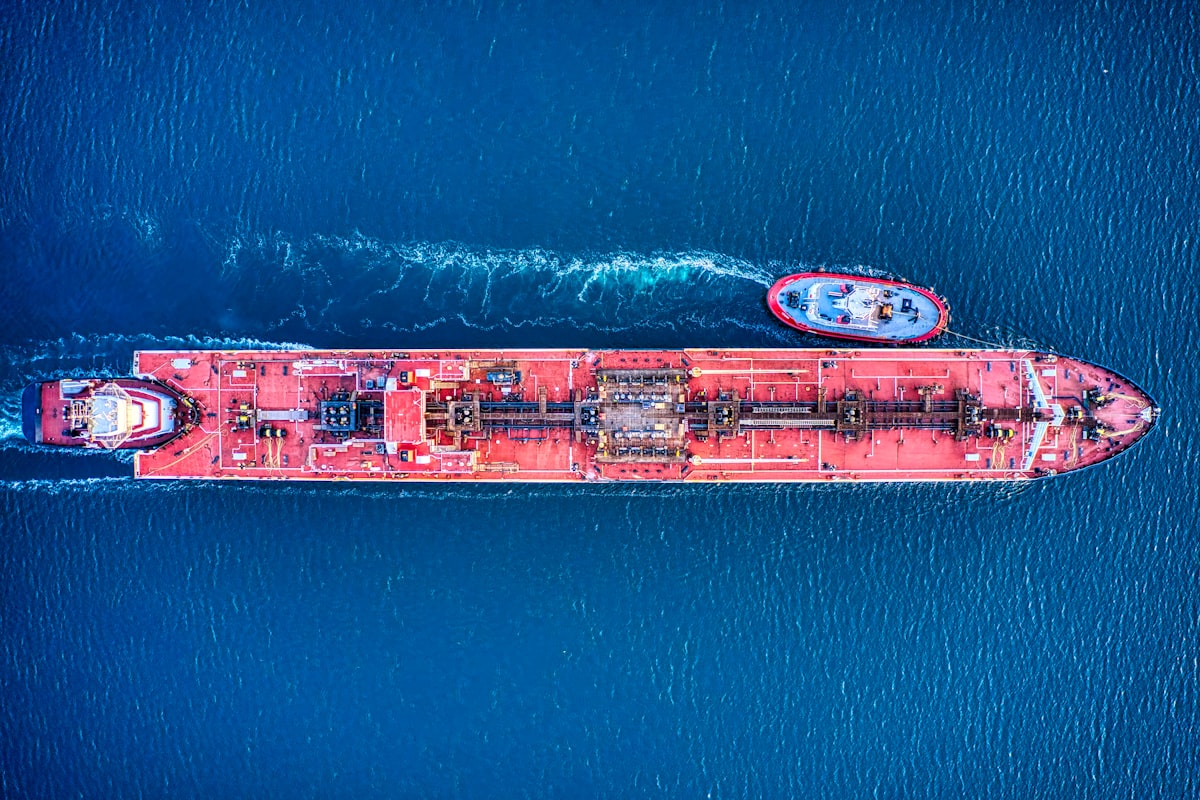
In a significant sanctions enforcement action, Belgian special forces — supported by French naval helicopters — boarded and seized the Russian-linked tanker Ethera in the North Sea on March 1, according to Bloomberg and Euronews. The vessel, flagged under Guinea with falsified documentation, was on the EU sanctions list and formed part of Russia's shadow fleet used to circumvent oil price cap restrictions.
The Ethera was escorted to the port of Zeebrugge. French President Macron praised the operation, stating that "Europeans are determined to cut off the sources of funding for Russia's war of aggression." Belgium is now the second European nation to physically detain a shadow fleet vessel, following France's seizure of the tanker Grinch in January 2026.
The seizures signal a shift from passive sanctions monitoring to active maritime interdiction by European naval forces — a development with direct implications for shadow fleet operators, flag state registries, and P&I clubs providing cover to sanctioned tonnage.
South China Sea and Taiwan Strait: Pressure Builds Below the Radar
While global attention is fixed on the Middle East, Chinese military activity around Taiwan continues to escalate. PLA aircraft sorties in the Taiwan Strait reached 5,709 in 2025, up from 5,107 in 2024, according to Taipei Times reporting. The AEI China-Taiwan tracker notes continued pressure operations into March 2026.
In the South China Sea, satellite imagery confirms that China has accelerated land reclamation at Antelope Reef, with dredging operations that began in December 2025 creating an estimated 15 square kilometers of new land. The Philippines, as 2026 ASEAN chair, has pushed for monthly dialogue sessions between South China Sea claimant states and Beijing starting in March, attempting diplomatic management of what remains a slow-burn military buildup.
For commercial shipping, the Taiwan Strait and South China Sea remain open to navigation, but the steady accumulation of military assets increases the probability of incidents that could trigger insurance reassessments or routing advisories.
Market and Insurance Impact
Brent crude surged past $82 per barrel on March 3, up roughly 10 percent since the conflict began, with analysts warning that prolonged Hormuz disruption could push prices toward $100. Supertanker charter rates hit all-time highs as the available fleet of vessels with valid war risk cover shrinks rapidly, CNBC reported.
Container lines are layering surcharges at an accelerating pace. Hapag-Lloyd imposed a War Risk Surcharge of $1,500 per TEU for standard boxes and $3,500 for reefer containers on Arabian Gulf cargo, effective March 2. CMA CGM introduced an Emergency Conflict Surcharge of $2,000 per 20-foot dry container, $3,000 per 40-foot, and $4,000 per reefer or special equipment for a wide range of Middle Eastern and East African destinations including Iraq, Gulf states, Jordan, Egypt, Djibouti, Sudan, Eritrea, and Yemen.
The cost stack for shippers is compounding: war risk surcharges, emergency bunker adjustments for Cape diversions, potential congestion surcharges at alternative transshipment hubs, and the base rate inflation driven by vessel redeployment. FreightWaves and Supply Chain Dive both reported that air freight rates are also expected to spike as shippers seek faster alternatives for high-value cargo.
Outlook
The next 72 hours are defining. If the IRGC maintains its effective blockade of the Strait of Hormuz and Houthi forces resume kinetic attacks in the Red Sea, the shipping industry faces a dual-chokepoint crisis with no modern precedent. The insurance market's March 5 coverage withdrawal deadline will force remaining vessels out of the Persian Gulf regardless of military developments.
Shipowners with tonnage committed to Gulf loading ports face immediate decisions on whether to accept stranding costs or attempt transit without war risk cover. P&I clubs will be issuing guidance on exclusion zones and notification requirements. H&M underwriters should expect a surge in claims notifications from vessels damaged or stranded in the region.
The shadow fleet seizure in the North Sea, meanwhile, signals that European enforcement will continue to tighten even as the broader geopolitical situation deteriorates — adding sanctions compliance risk on top of the physical security threats dominating the Middle East corridors. Fleet managers and compliance officers must now track threats across every major maritime conflict zone simultaneously.