Yemen's Houthis Pledge Solidarity With Iran
Yemen's Ansar Allah movement, commonly known as the Houthis, has announced that it will resume large-scale attacks on commercial shipping in the Red Sea and the Bab el-Mandeb strait in solidarity with Iran's escalation at the Strait of Hormuz, shattering the cautious plans of several major container shipping lines that had begun tentatively returning vessels to the shorter Suez Canal route after months of Cape of Good Hope diversions. The announcement, made by Houthi military spokesman Yahya Sarea through the group's official media channels, declared that all vessels associated with nations supporting Israel or interfering with Iranian interests would be considered legitimate targets.
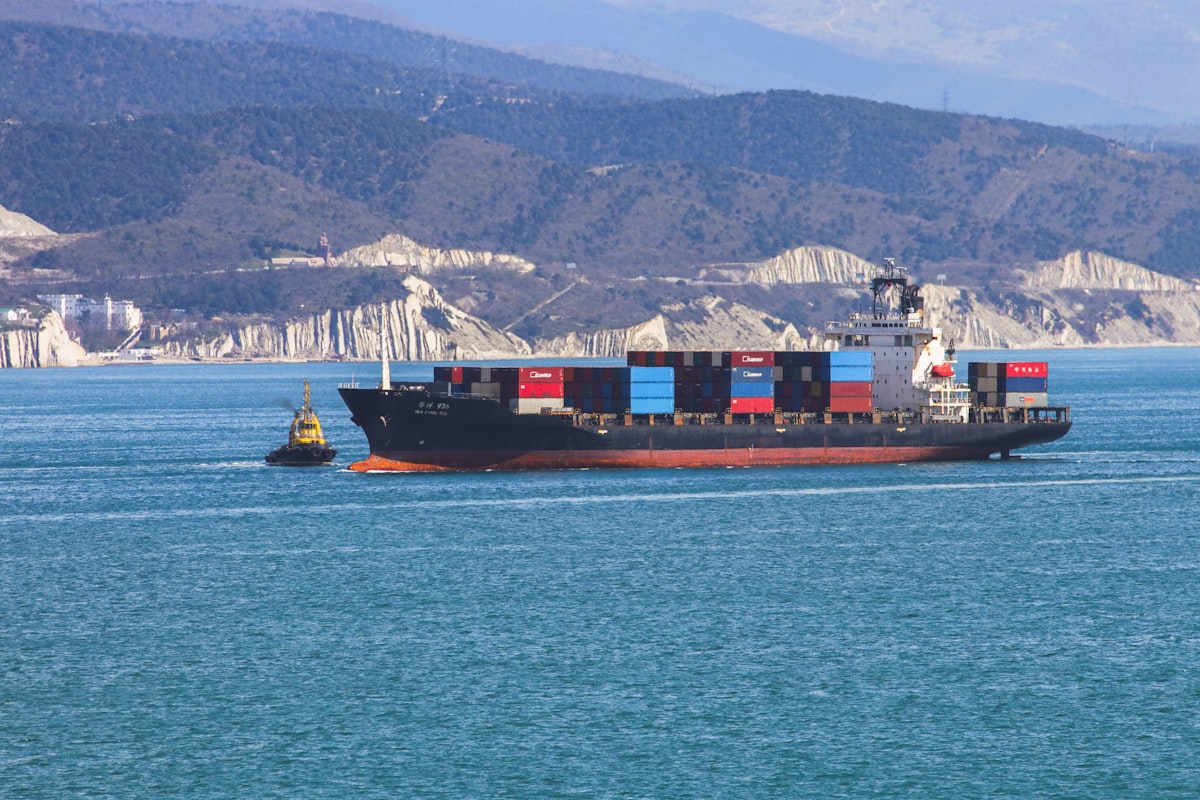
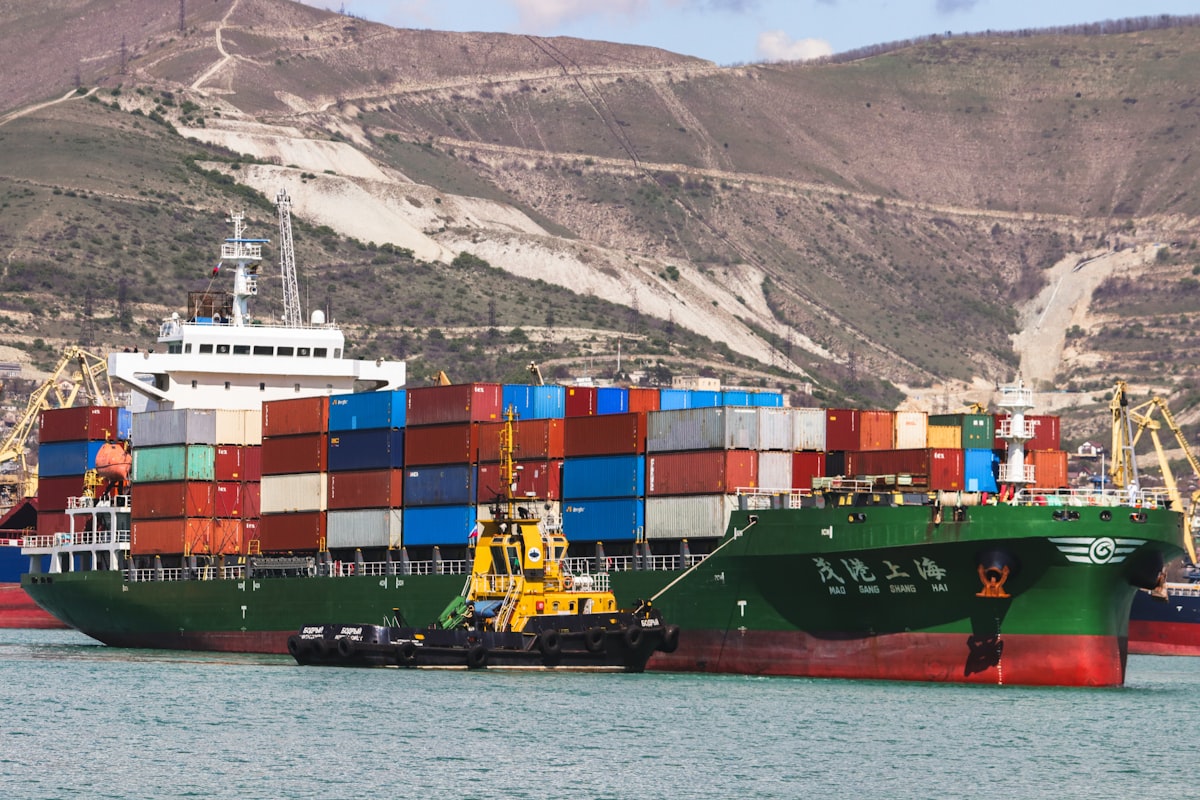
The timing of the Houthi declaration is devastating for the container shipping industry. After months of costly diversions around the Cape of Good Hope following the initial wave of Houthi attacks in late 2023 and throughout 2024, several carriers had cautiously begun routing selected services back through the Red Sea in early 2026 as attack frequency appeared to decline. Maersk, the world's second-largest container line, had begun routing its AE7/Condor service through the Suez Canal, while CMA CGM had restored several of its Asia-Mediterranean services to the shorter route. These tentative returns are now being reversed at enormous cost and logistical disruption.
Dual-Chokepoint Crisis Creates Unprecedented Situation
The simultaneous closure of the Strait of Hormuz and the renewed threat to the Red Sea creates a scenario that the global shipping industry has never confronted. The two chokepoints together control access to the Suez Canal route connecting Asia and Europe—the most important trade lane in global container shipping by both volume and value. With both passages compromised, virtually all Asia-Europe cargo must now route around the Cape of Good Hope, adding 10 to 14 days to each leg of the voyage and consuming enormous additional quantities of fuel.
The capacity implications of universal Cape routing are severe. Maritime economists estimate that rerouting all Asia-Europe trade around the Cape of Good Hope absorbs approximately 2.5 million TEU of effective container carrying capacity—equivalent to the output of roughly 15 ultra-large container vessel newbuildings. This capacity absorption has been the primary factor preventing a catastrophic freight rate collapse in the face of massive newbuilding deliveries, but it comes at the cost of longer transit times, higher fuel consumption, and increased wear on vessels operating at sustained higher speeds to maintain schedule frequency.
Tanker and LNG carrier operators face an even more acute version of this challenge. Crude oil and LNG exports from the Persian Gulf must transit the Strait of Hormuz to reach the open ocean. There is no alternative land-based route for most of this volume, and the rerouting options that exist for container ships—which can simply take a longer ocean route—are not available for Gulf-origin energy cargoes that cannot leave the Gulf in the first place. The Houthi threat to the Red Sea compounds this by threatening the alternative pipeline routes through Saudi Arabia that terminate at Red Sea ports.
Maersk Abandons Red Sea Return
Maersk's decision to abandon its Red Sea return is particularly significant as a market signal. The Danish carrier had invested considerable analytical resources in assessing the security situation before cautiously reintroducing services through the Suez Canal, including enhanced threat assessment protocols, coordination with naval forces operating under the European Union's Operation Aspides, and additional onboard security measures. The reversal of this carefully considered decision within hours of the Houthi announcement demonstrates the extreme sensitivity of commercial shipping operations to security threats, even when those threats have not yet been followed by actual attacks.
The financial impact on Maersk and other carriers is substantial. Each vessel diverted from the Suez route to the Cape of Good Hope incurs additional fuel costs of approximately $800,000 to $1.2 million per voyage, along with the opportunity cost of the additional sailing time during which the vessel generates no loading revenue. For Maersk alone, the cost of maintaining its full network on Cape diversions is estimated at $1.5 to $2 billion per year—a figure that must ultimately be recovered from freight rates charged to shippers.
Broader Geopolitical Implications
The coordination between Iran's Hormuz escalation and the Houthi renewal of Red Sea threats raises concerns among intelligence analysts about the emergence of a coordinated "axis of resistance" maritime strategy designed to impose maximum economic pressure on the global economy simultaneously. While Iran has historically maintained close ties with the Houthi movement, including the provision of advanced weapons systems such as anti-ship ballistic missiles and long-range drones, the degree of operational coordination between the two campaigns remains a subject of active intelligence assessment.
Western naval commanders face an agonizing strategic dilemma. Naval forces are already stretched thin maintaining the existing operations in the Red Sea—Operation Prosperity Guardian led by the United States and Operation Aspides led by the European Union—and the addition of a major Hormuz escort mission would strain naval resources to their limits. The question of whether to concentrate naval assets at one chokepoint or attempt to maintain presence at both is generating intense debate within NATO and among coalition partners.
For the shipping industry, the message from the dual-chokepoint crisis is clear: the global maritime trade network's dependence on a small number of vulnerable chokepoints represents a systemic risk that geopolitical actors can exploit with devastating effectiveness. The crisis is likely to accelerate long-term strategic investments in alternative routing infrastructure, including the Arctic Northern Sea Route, expanded pipeline capacity, and the development of overland rail corridors connecting Asian manufacturing centers with European markets.