International Maritime Organization Issues Strongest Statement in Years
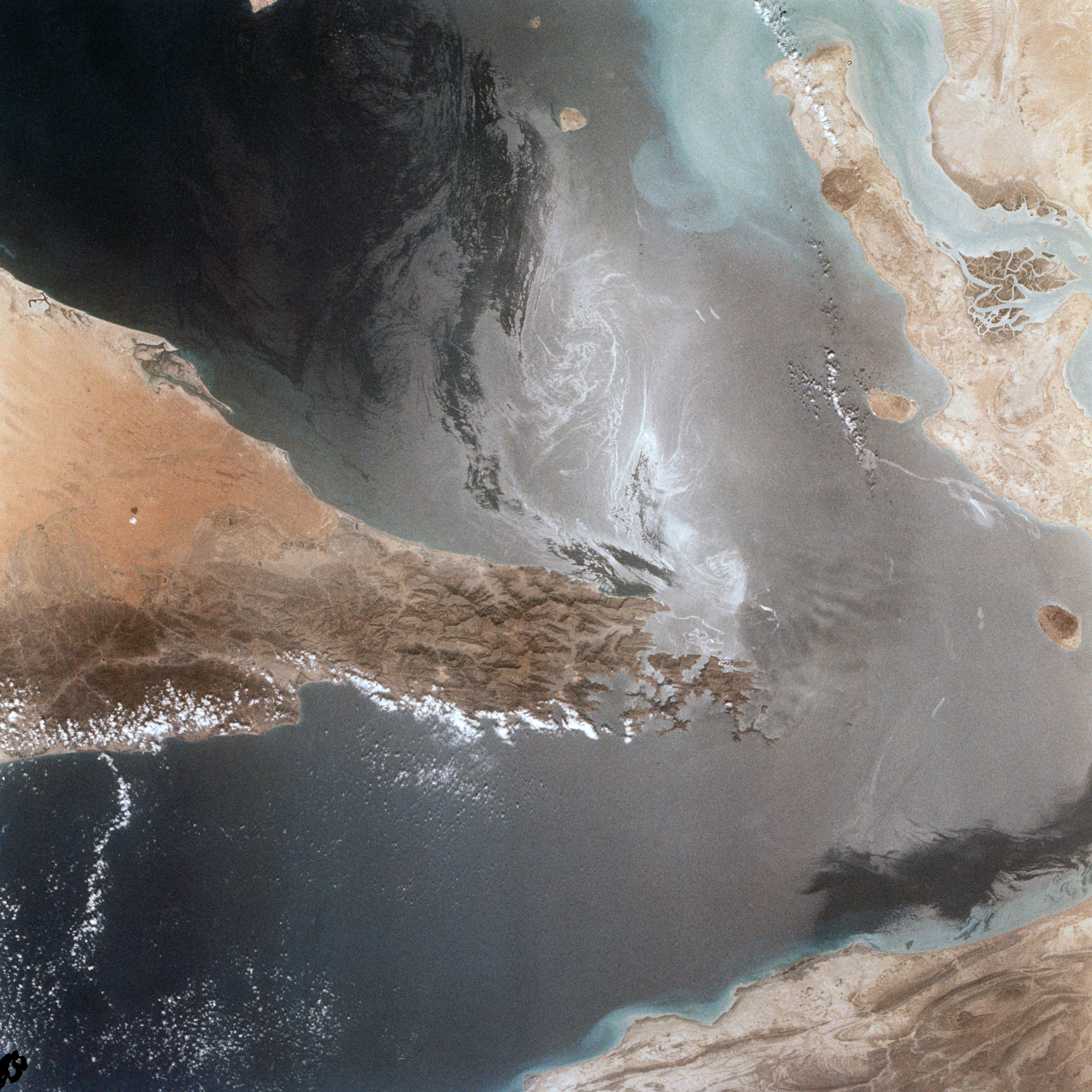
International Maritime Organization Secretary General Arsenio Dominguez has issued the strongest condemnation of attacks on commercial shipping in the organization's recent history, calling the escalating violence in and around the Strait of Hormuz an "unconscionable assault on the freedom of navigation and the safety of innocent seafarers." The statement, released from IMO headquarters in London, urges all parties to the conflict to immediately cease hostile actions against merchant vessels and calls on flag states to advise their registered vessels to avoid the Strait of Hormuz and surrounding waters until the security situation stabilizes.
Dominguez's statement is notable for its directness in an organization that traditionally operates through careful diplomatic language and consensus-based decision-making. The IMO, a specialized agency of the United Nations with 175 member states, serves as the global standard-setting authority for international shipping safety, security, and environmental performance. Its pronouncements carry significant weight with maritime administrations worldwide and influence the regulatory frameworks that govern commercial shipping operations.
Emergency Session of the Maritime Safety Committee
The IMO has convened an emergency session of its Maritime Safety Committee, the organization's most senior technical body responsible for all matters relating to maritime safety. The extraordinary session, scheduled to begin within 48 hours, will bring together representatives from all major maritime nations, classification societies, and industry organizations to assess the security situation and develop coordinated guidance for the global fleet.
The agenda for the emergency session includes a review of the current threat assessment in the Strait of Hormuz and surrounding waters, an evaluation of the adequacy of existing Best Management Practices for vessels operating in the region, the development of recommended routing measures for vessels seeking to avoid the danger zone, and a discussion of the framework for potential naval escort coordination between coalition navies and commercial shipping.
Maritime security experts note that the IMO's existing guidance frameworks, including the Best Management Practices originally developed for the Indian Ocean piracy crisis and subsequently adapted for the Red Sea Houthi threat, may require significant revision to address the state-level military threat posed by the IRGC. Unlike piracy or non-state actor attacks, which can be partially mitigated through defensive measures aboard individual vessels, the threat of anti-ship missiles, naval mines, and coordinated drone swarm attacks from a sovereign military force requires a fundamentally different approach to risk assessment and mitigation.
Flag State Advisory Implications
The IMO's call for flag states to advise avoidance of the strait has significant legal and operational implications. Flag states—the nations in which vessels are registered and whose maritime regulations they follow—have varying levels of authority over the commercial operations of ships flying their flags. Major open registries including Panama, Liberia, and the Marshall Islands, which collectively account for over 40 percent of the world's merchant fleet by gross tonnage, have each issued advisories consistent with the IMO's recommendation.
The Marshall Islands Maritime Administrator, the world's third-largest ship registry, issued a particularly detailed advisory that includes specific coordinates delineating a recommended avoidance zone, guidance on communication protocols for vessels in the region, recommendations for enhanced watch-keeping and security measures, and instructions for reporting any suspicious activity or hostile encounters. The Panamanian Maritime Authority and the Liberian Maritime Authority have issued similar advisories with broadly consistent recommendations.
The practical effect of these advisories, while not legally binding in most cases, is to establish a standard of care against which vessel operators will be judged. Ship management companies that choose to operate their vessels through the strait contrary to flag state advisories may face challenges in insurance claims, crew welfare disputes, and potential negligence litigation if incidents occur. The advisories effectively transform the commercial risk assessment from a business decision into a legal liability question.
Broader Implications for Maritime Governance
The Hormuz crisis exposes fundamental tensions in the international maritime governance framework. The principle of freedom of navigation, enshrined in the United Nations Convention on the Law of the Sea, guarantees the right of transit passage through international straits—a right that Iran's actions directly challenge. However, the IMO and the broader international community have limited enforcement mechanisms available when a sovereign state chooses to obstruct commercial navigation through military force.
Dominguez's statement drew explicitly on the principle that attacks on merchant vessels and their crews violate fundamental tenets of international humanitarian law. The Secretary General called on all IMO member states to take "every available measure" to protect commercial shipping and to hold accountable those responsible for attacks on civilian mariners. While the statement stops short of naming Iran specifically, the diplomatic context leaves little ambiguity about its intended audience.
The IMO's response will also be watched closely as a test case for the organization's relevance in addressing modern maritime security challenges. Critics have argued that the IMO has been slow and ineffective in responding to the Red Sea crisis, and the Hormuz escalation presents an opportunity for the organization to demonstrate that it can provide meaningful coordination and leadership during a major maritime security emergency. The outcomes of the emergency Maritime Safety Committee session will be closely scrutinized by the global maritime community.