IRGC Declares Hormuz Gateway Closed to International Shipping
The Islamic Revolutionary Guard Corps announced on March 1, 2026, that the Strait of Hormuz is now closed to all international maritime traffic, marking an unprecedented escalation in regional tensions following coordinated military strikes by the United States and Israel against Iranian military installations on February 28. The IRGC issued formal warnings via VHF radio channels monitored by all vessels operating in the waterway, effectively blockading one of the world's most critical energy transportation corridors.
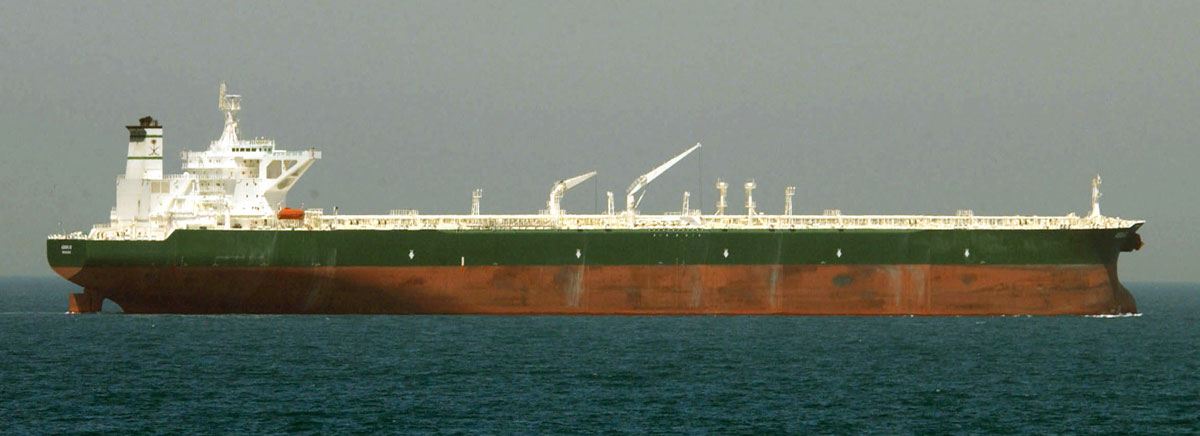
Officials declared that any vessel attempting to transit the strait would face military interdiction, boarding operations, and potential attack by Iranian naval forces. Three commercial tankers have already experienced armed confrontations and warning shots near the mouth of the strait since the closure announcement was made, suggesting the Iranian navy and Revolutionary Guard are actively enforcing the blockade through force.
Global Oil Trade Faces Catastrophic Disruption
The Strait of Hormuz serves as the maritime gateway for approximately 20 percent of the world's crude oil supply and 30 percent of global liquefied natural gas exports. Since February 28, traffic through the strait has collapsed by 94 percent according to data from multiple maritime tracking services. Insurance companies have withdrawn coverage for transiting vessels, making passage financially impossible even for owners willing to accept the security risks.
This combination of military blockade, commercial uncertainty, and insurance unavailability has created a perfect storm freezing international energy trade through one of the world's most critical chokepoints. Vessel operators have suspended new bookings indefinitely, choosing instead to leave their ships stranded in port rather than risk navigation through the militarized zone.
Tanker Fleet Abandons the Strait
Major international shipping companies are reporting unprecedented operational disruptions throughout their Middle Eastern maritime operations. The few vessels that remain in the Persian Gulf are sheltering in protected anchorages, awaiting either a rapid resolution of the crisis or authorization to proceed on alternative routes around the African continent.
The closure has created a maritime bottleneck that cannot be quickly bypassed. Ships must either remain anchored indefinitely in expensive port facilities, attempt the dangerous transit under Iranian interdiction, or backtrack hundreds of miles to port. This represents a de facto maritime blockade raising concerns about potential international intervention or negotiated resolution.