The Storage Crisis Nobody's Connecting to the Hormuz Mess
While everyone's focused on tanker routes and Strait politics, something more sinister is happening in the production heartland. Iraq has quietly shut down approximately 1.5 million barrels per day of crude oil production. Not as a temporary measure. Not as a bluff. As an actual, ongoing response to the fact that they literally have nowhere to put the oil they're producing. Kuwait's doing something similar. And the financial consequences are just starting to ripple through the global energy market.
Let's connect the dots here: Hormuz gets blockaded or disrupted, oil can't move through the Strait, storage tanks in the Gulf fill up faster than they can be emptied, producers have to shut in production or face storage bankruptcy. It's straightforward cause and effect. Except nobody in the mainstream energy media is really covering this angle.
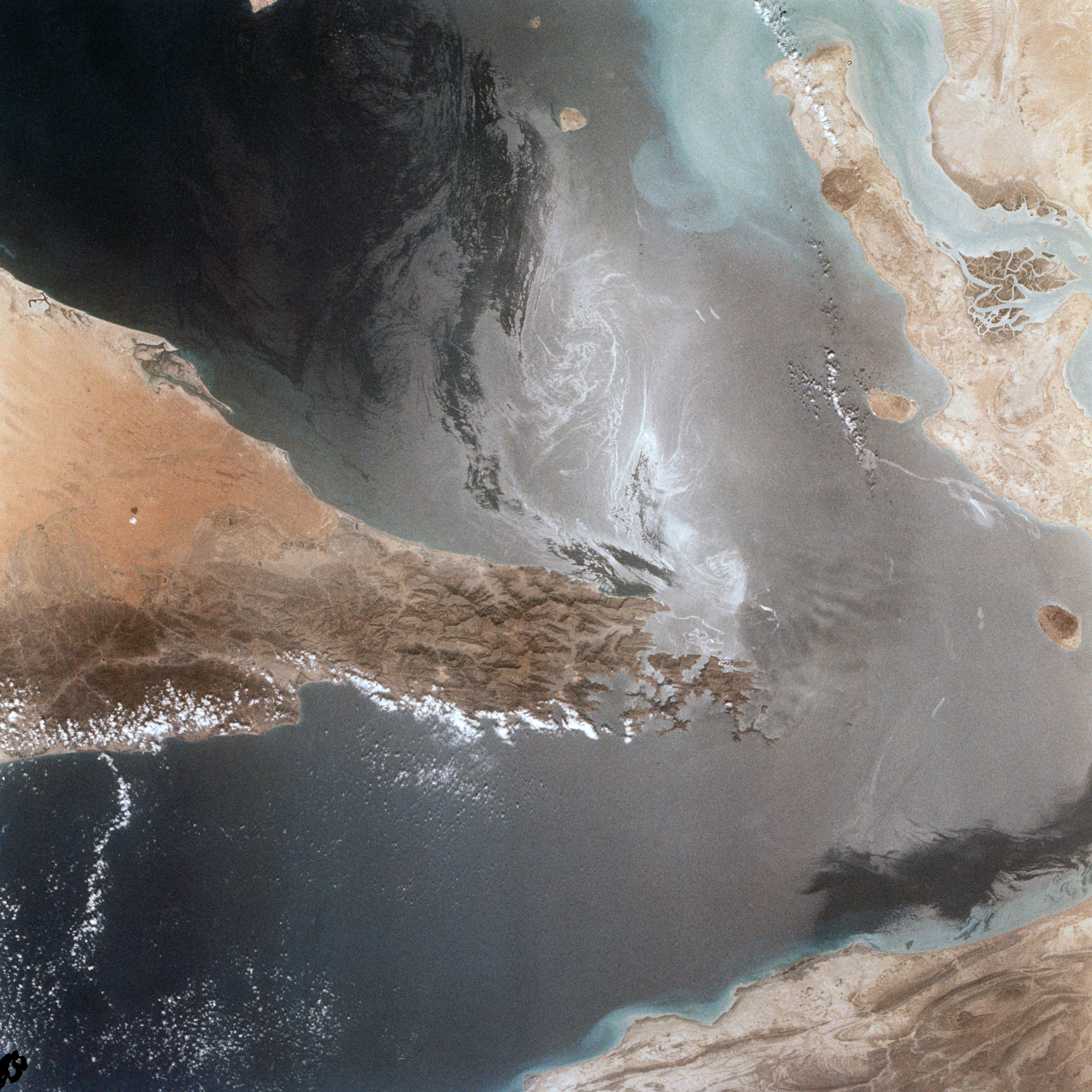
The Strait of Hormuz is the only realistic export route for Iraqi and Kuwaiti crude. Sure, there are pipelines to Saudi Arabia and other alternatives, but they're not built to handle the full output of these countries. When shipping through Hormuz becomes unreliable or risky, you can't just warehouse 1.5 million barrels per day indefinitely. You have to stop producing it.
The Hidden Economic Cascade
Think about what this means for Iraq's finances. Iraq runs a government budget that depends on oil export revenue. When you shut down 1.5 million barrels per day, you're not just making an operational adjustment. You're cutting government revenue directly. We're talking potentially billions in lost export earnings depending on how long this continues. Same story for Kuwait, though they're in a slightly more comfortable financial position given their sovereign wealth fund assets.
But here's where it gets interesting: OPEC and OPEC+ have been playing this delicate game where they pretend that production cuts are coordinated and strategic. Some countries get "quota allocations" and everyone treats it like a managed process. What's actually happening right now? Physical reality is forcing production cuts because there's literally nowhere to store the oil. That's not strategy. That's desperation disguised as supply management.
Speculators haven't fully priced this in yet. Oil traders are focused on the immediate risk premium from the Strait disruption narrative—which is fair. But the longer-term supply constraint from forced production shutdowns? That's still mostly off the radar. You could make an argument that crude prices should be even higher than they currently are when you factor in involuntary supply reductions from Iraq and Kuwait alone.
The Refinery Reaction Time Lag
Here's another angle nobody's discussing: refineries depend on reliable supply flows. If Iraqi and Kuwaiti producers are forced to operate at 40% or 50% of normal capacity due to storage constraints, that changes the availability of certain crude qualities in the market. Some refineries are built to process specific grades of Middle Eastern crude. When that supply dries up, they have to either find substitutes, run at reduced rates, or accept margin compression on alternative crude types.
The shipping industry got hammered by the Hormuz uncertainty narrative. But the refining industry—you know, the places that actually need the oil—they're also dealing with a significant supply reliability problem. It's just not being characterized that way in the media.
So where are the workarounds? Some Iraqi barrels are moving via truck to Turkey. Some Kuwaiti barrels potentially moving to India or other Asian markets via alternative routes, but at premium costs. But trucks can't move millions of barrels per day. Pipelines that work are being maxed out. The constraints are real and physical, not just political theater.
The OPEC+ Emergency Question
This is pure speculation at this point, but here's the question every commodities trader should be asking: how much longer before OPEC+ has an emergency meeting about these forced production cuts? Because here's the thing: if Iraq and Kuwait are going to be off-quota due to physical constraints rather than strategy, that changes the entire OPEC+ production allocation picture. It means other producers (Saudi Arabia, Russia, UAE) are implicitly picking up a bigger share of the "permitted" production volume.
You could see this play out a few different ways. Either OPEC+ officially acknowledges the forced cuts and adjusts the quotas accordingly, which would be transparent and market-clarifying. Or they maintain the fiction that Iraq and Kuwait are "choosing" to reduce production, which is technically true but misleading about the underlying cause. Or they have an emergency meeting and try to craft some kind of coordinated response that I honestly can't predict.
What's certain: storage tanks in the Gulf are filling up, production is going offline, and nobody in the energy media is putting these pieces together yet. When the story breaks wider, when the refining community starts feeling the supply pinch more acutely, that's when you're going to see some serious price action. The Hormuz narrative is about tanker insurance and geopolitics. But the real story underneath is about energy infrastructure breaking under stress and involuntary supply destruction.
Sometimes the most important market moves are the ones happening in the background, far from the headlines and the policy announcements. Watch this one. It's going to get interesting.