Specialized Gas Carrier Operator Locks In Favorable Financing
Navigator Holdings Ltd., the world's largest owner and operator of handysize liquefied gas carriers, has secured a $133.7 million credit facility from a consortium of international lenders to finance the construction of two new ethylene-capable gas carriers at a major Asian shipyard. The financing, which closed on favorable terms reflecting Navigator's strong market position and long-term charter coverage, underscores the continued appetite among shipping lenders for exposure to the specialized gas carrier segment despite the broader market uncertainty created by the Hormuz crisis and its implications for Middle Eastern petrochemical trade flows.
The credit facility was arranged by Nordea Bank and DNB ASA, two of the leading Nordic banks in ship financing, with participation from a syndicate that includes ING Bank, Credit Agricole CIB, and ABN AMRO. The loan carries a tenor of 12 years with a competitive margin reflecting Navigator's investment-grade credit profile and the quality of the employment secured for the new vessels. The financing covers approximately 65 percent of the total construction cost, with the balance funded through Navigator's existing cash reserves and operating cash flow.
Vessel Specifications and Employment
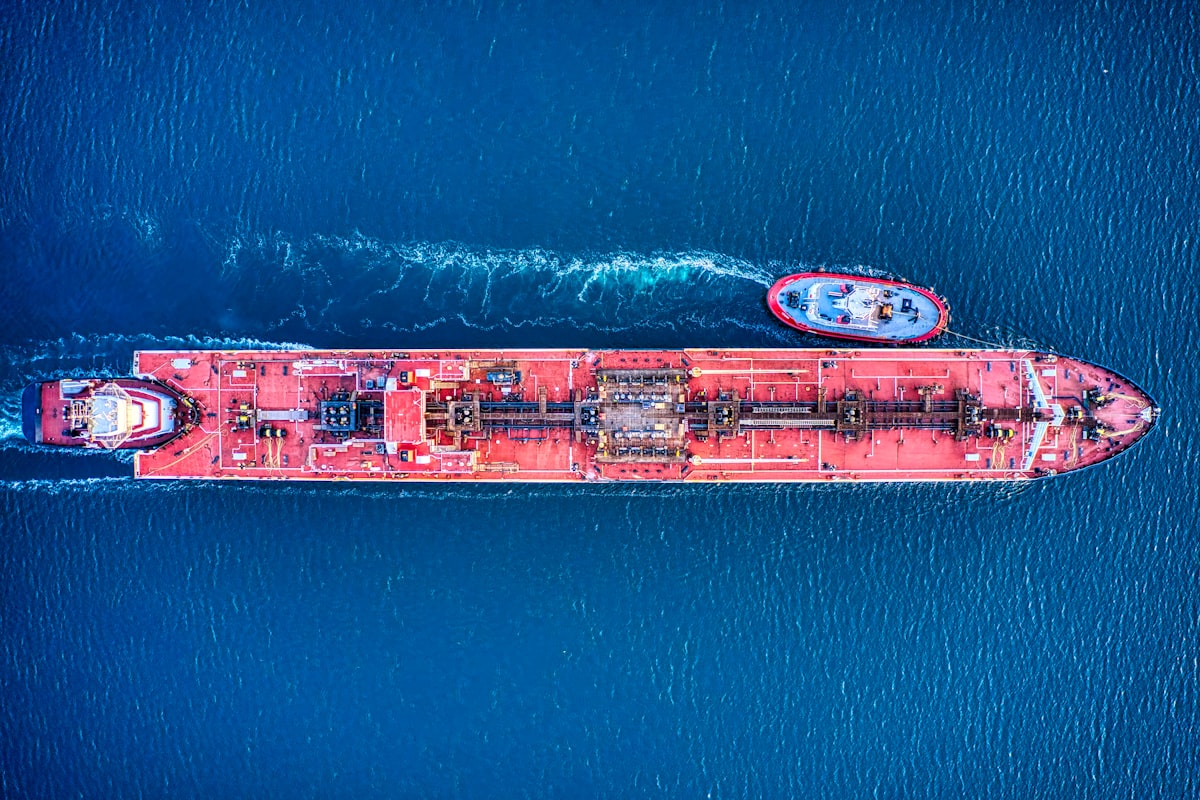
The two newbuildings are 22,000 cubic meter semi-refrigerated ethylene gas carriers, a specialized vessel type designed to transport ethylene and other petrochemical gases at temperatures as low as minus 104 degrees Celsius. Ethylene is the world's most widely produced organic chemical, serving as the fundamental building block for polyethylene plastics, ethylene oxide, and dozens of other industrial chemicals. The global ethylene trade has grown steadily at approximately 4 to 5 percent annually as petrochemical production has expanded in the Middle East, the United States, and China.
Navigator has disclosed that both vessels are backed by long-term time charter agreements with major petrochemical producers, though the company has not identified the charterers or the specific trade routes. Industry sources suggest that the vessels are likely destined for the Middle East to Asia ethylene trade, one of the highest-volume and most profitable routes in the global gas carrier market. However, the Hormuz crisis adds uncertainty to this deployment plan, as several major ethylene production facilities in Saudi Arabia and the UAE rely on the strait for export access.
The vessels will be equipped with reliquefaction plants capable of handling ethylene's extremely low carriage temperatures, dual-fuel propulsion systems for environmental compliance, and advanced cargo handling equipment that allows simultaneous carriage of multiple gas grades in segregated tanks. These capabilities provide operational flexibility to trade across multiple gas types and routes, reducing the vessel's dependence on any single trade lane—a feature that has taken on increased importance given the current geopolitical disruptions.
Navigator's Strategic Position in the Gas Carrier Market
Navigator Holdings operates a fleet of 56 liquefied gas carriers with an aggregate capacity of approximately 1 million cubic meters, making it the dominant player in the handysize and midsize gas carrier segments. The company's fleet trades globally, transporting LPG, ethylene, ethane, butadiene, and other petrochemical gases between production facilities and consumption centers across the Americas, Europe, the Middle East, and Asia.
The company has pursued a disciplined fleet renewal strategy over the past decade, gradually replacing older vessels with modern, eco-friendly tonnage while maintaining conservative financial leverage. Navigator's net loan-to-value ratio stands at approximately 35 percent, well below the 50 to 60 percent levels typical of many shipping companies, providing a financial cushion that enables continued investment even during periods of market stress.
Navigator's management has emphasized that the specialized nature of its fleet provides a degree of insulation from the broader shipping market volatility. Unlike the crude oil tanker or container shipping segments, where vessels are relatively interchangeable and market entry barriers are lower, the ethylene carrier market requires specialized construction capabilities, crew expertise, and customer relationships that limit competition and support premium charter rates. The company's backlog of contracted revenue currently extends approximately four years, providing significant visibility into future earnings.
Shipping Finance Market Resilience
The successful closing of the $133.7 million facility provides a positive signal about the resilience of the ship financing market despite the geopolitical turmoil. Shipping lenders have traditionally been sensitive to regional security risks, and the Hormuz crisis has prompted some banks to reassess their exposure to vessels trading in the Middle East. However, the specialized nature of Navigator's fleet and the quality of the charter coverage have enabled the company to access financing on terms that compare favorably with pre-crisis levels.
The participation of multiple European banks in the syndicate reflects the continued strength of Nordic and continental European institutions in the ship finance market, a segment that many global banks retreated from following the 2008 financial crisis and subsequent shipping market downturn. Nordic banks in particular have maintained their commitment to shipping finance, leveraging deep sector expertise and long-standing relationships with quality operators like Navigator to generate attractive risk-adjusted returns.
Industry analysts note that the financing also reflects growing investor interest in the energy transition theme within shipping. Gas carriers, which transport the feedstocks for both traditional petrochemical production and emerging clean energy applications such as hydrogen and ammonia, are positioned to benefit from the global shift toward lower-carbon energy systems regardless of the specific pathway that energy transition takes.