When the Market Says "We're Out"
Here's a scenario that probably didn't fit into the Trump administration's energy policy playbook: put up 1 million acres of pristine Alaska offshore real estate at Cook Inlet, open the bidding, and watch literally nobody show up. That's what happened at the Cook Inlet lease sale. Not "fewer bidders than expected." Not "disappointing turnout." Zero bids. Complete radio silence from the oil majors and independent operators who were supposed to be chomping at the bit to unlock Arctic resources.
Let's put this in context. Oil is trading at $90+ per barrel. The global energy market is stressed. Geopolitical disruptions are creating supply concerns. The Trump administration has made Arctic drilling a centerpiece of its energy independence agenda. They literally mandated six lease sales through 2032 as part of broader Alaskan energy policy. The regulatory pathway is cleared. The political support is there. The commodity price is attractive.
And yet: crickets.
This isn't a subtle market signal. This is the market literally refusing to engage with the premise. When you can't get a single bid on 1 million acres of federal land during a period of elevated commodity prices and geopolitical energy stress, that tells you something profound about the economics of Arctic drilling. It's not just "maybe not the best investment right now." It's "the entire industry has collectively decided this doesn't pencil out, even at $90 oil, even with political support."
The Economics That Won't Work
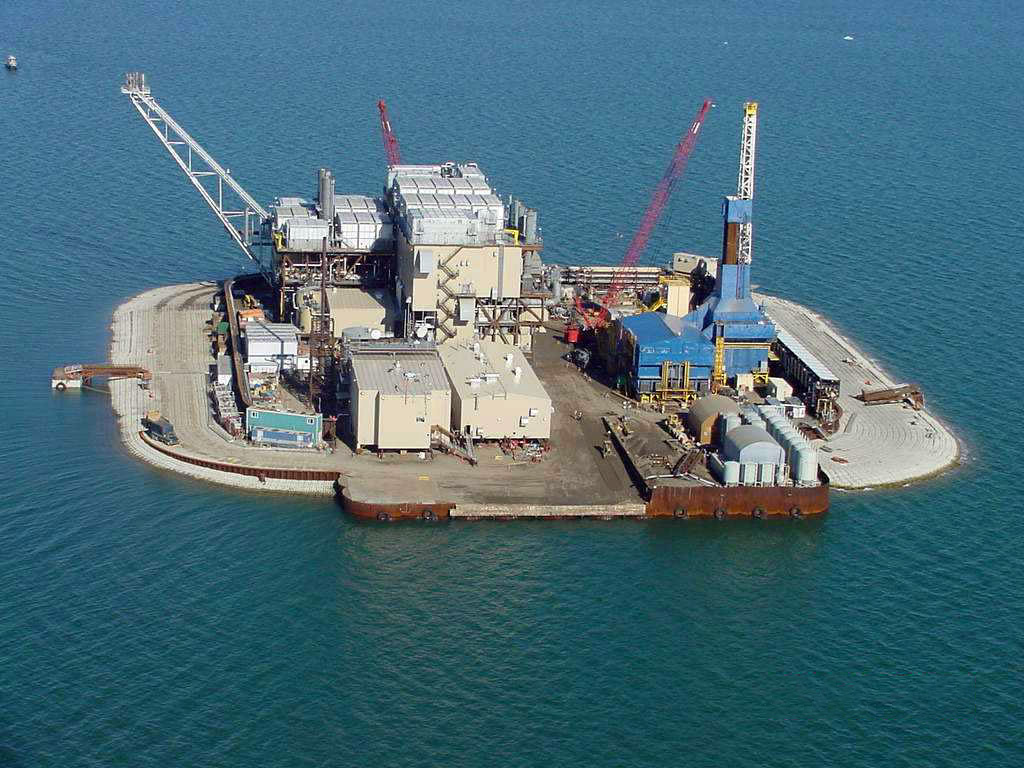
Arctic offshore drilling is phenomenally expensive. We're talking development costs that run into the tens of billions of dollars per major project. You need specialized rigs, specialized supply chains, ice-rated vessels, extreme weather infrastructure, environmental compliance that never ends. The operational complexity is orders of magnitude beyond normal offshore work. The regulatory scrutiny is intense and ongoing. The environmental remediation requirements are substantial.
Now compare that to drilling a barrel in the Permian Basin, the North Sea, the Gulf of Mexico, or numerous other mature drilling regions. The economics are so dramatically different that it's almost not a fair comparison. You can develop a multi-billion-barrel Permian project for a fraction of the cost of an Arctic offshore field. You can produce a barrel in the Gulf of Mexico for a fraction of the cost of an Arctic barrel.
So when oil majors run the financial models on Cook Inlet development—and they absolutely have, extensively—they're looking at a scenario where the cost to develop and produce a barrel is simply too high to generate acceptable returns, even at oil prices that would make money in almost any other basin.
The Political Contradiction Nobody's Discussing
Here's where it gets awkward for energy policy advocates: the Trump administration is pushing Arctic drilling as a centerpiece of energy independence. But the actual energy companies that would have to execute these projects have clearly decided they're not interested, economically. There's a fundamental contradiction between political will and market reality.
The administration can mandate lease sales. They can clear regulatory pathways. They can make pro-drilling rhetoric the core of their energy message. But they can't force oil companies to bid on projects that don't generate adequate returns. The market has a veto on industrial policy regardless of political support. It's one of the few things that remains genuinely constrained by underlying economics rather than political will.
This creates an interesting problem for the Trump administration's Arctic drilling agenda. If they want Cook Inlet developed, they'd need to change the underlying economics somehow. Tax incentives? Infrastructure subsidies? Price supports for Arctic crude? At what point does the government have to explicitly subsidize Arctic drilling for it to become economically viable? And at that point, is it really "American energy independence" or is it taxpayer-funded experimental geology?
What This Says About US Energy Policy Contradictions
The Cook Inlet auction failure reveals something uncomfortable about American energy policy contradictions. The country wants to be "energy independent." It wants to reduce reliance on Middle Eastern oil. It wants to unlock domestic resources. Those are all reasonable policy goals.
But the actual policies being pursued—like Arctic drilling mandates—don't necessarily line up with the most economically efficient ways to achieve those goals. You could invest half the subsidy requirements that would be necessary to make Cook Inlet work and dramatically expand production in more economically viable regions. You could massively increase onshore development, Permian production, Gulf of Mexico projects—all at a fraction of the economic cost of Arctic drilling.
The reality check from the market is brutal: Arctic drilling doesn't compete on economics even in a tight energy environment with high prices and geopolitical stress. The oil companies have spoken. They're not just postponing their interest. They're not asking for better lease terms. They're simply not showing up.
Sometimes the market tells you things that politicians don't want to hear. And sometimes those market signals are so clear that even the most ardent policy advocates can't ignore them. Cook Inlet is that moment. The industry has rendered its verdict: nice idea, not economically viable. Now what does energy policy do with that information?