Crude Prices Reach Multi-Year Highs Amid Regional Escalation
Oil markets have recorded their largest weekly price advance since crude futures trading began in 1983, with West Texas Intermediate (WTI) crude surging 35.63% for the week and Brent crude climbing 28%, reflecting escalating regional tensions and supply disruptions centered in the Persian Gulf. On March 6, WTI crude spiked 12.21 percent, or $9.89 per barrel, closing at $90.90 per barrel, while Brent crude rallied 8.52 percent, or $7.28 per barrel, to settle at $92.69 per barrel.
The magnitude of the weekly gain represents the most substantial crude price advance in futures market history, surpassing previous records set during the 1973 OPEC embargo and the 2011 Libyan uprising. The scale of the price movement reflects market participants' assessment that current regional disruptions pose genuine risks to sustained global crude supply flows at a scale comparable to the most severe historical supply crises.
Trump Administration's Unconditional Surrender Demand Triggers Escalation
The weekend crude price spike followed a demand from the Trump administration for unconditional Iranian surrender on Friday, language that markets interpreted as signaling high risk of expanded regional military confrontation. The demand represented an escalation beyond previous diplomatic communications and created perception in commodity markets that the geopolitical crisis could expand beyond current limits.
Traders responded to the escalatory rhetoric by repricing crude supplies to reflect elevated disruption risks extending across longer time horizons. The price movements indicated that market participants were modeling scenarios where supply disruptions persist for weeks or even months rather than resolving within days.
Supply Disruptions Accelerate Price Pressure
Beyond geopolitical risk premiums, fundamental supply disruptions are directly contributing to crude price escalation. Iraq, a major crude producer, has shut down 1.5 million barrels per day of production capacity, representing approximately 4% of current global crude supply. Kuwait is simultaneously implementing production cuts driven by storage capacity constraints at production facilities.
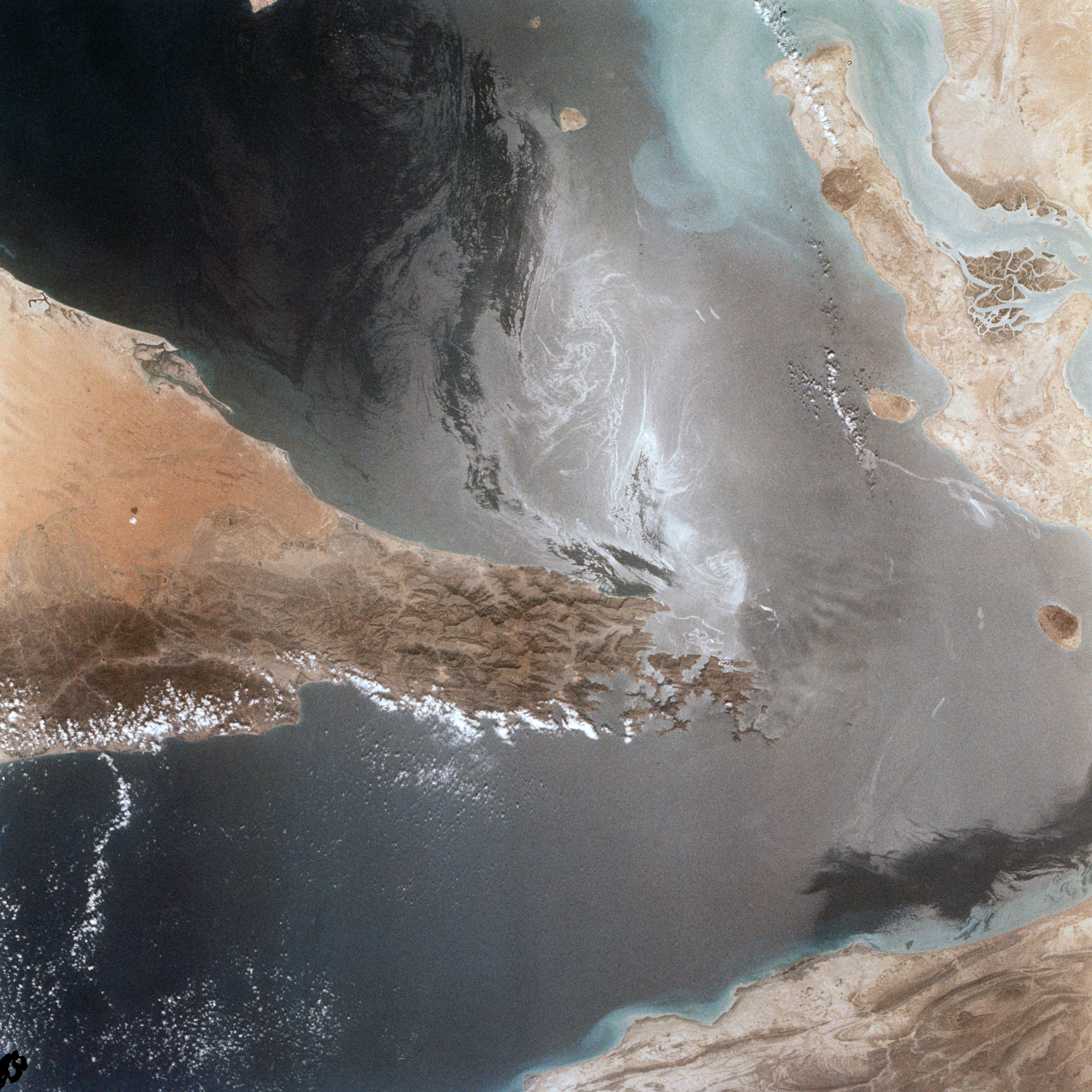
These supply reductions, occurring amid existing transportation disruptions through the Strait of Hormuz, are creating genuine supply-demand imbalances in crude markets. The combination of production cuts and transportation disruptions has created a dual-pressure environment driving crude prices substantially higher.
Refinery Demand Response to Supply Uncertainty
Global refineries are responding to supply uncertainty by implementing precautionary inventory building strategies. Refineries anticipating potential future supply disruptions are attempting to increase crude input levels, competing for available crude supplies and supporting elevated prices. This defensive procurement behavior is occurring at a time when crude supplies are already constrained by production cuts and transportation disruptions.
The refinery demand response creates a self-reinforcing price pressure dynamic, as refineries collectively attempt to hedge against supply uncertainty by building inventories. This inventory building, while individually rational for each refinery, collectively amplifies crude demand at a time when supply is already constrained.
Strategic Petroleum Reserve Considerations
Governments worldwide are evaluating potential releases of strategic petroleum reserves to stabilize crude markets. The United States maintains approximately 400 million barrels in strategic reserves, representing the world's largest governmental crude stockpile. Release of strategic reserves would directly add crude supplies to markets and potentially moderate price escalation.
However, the timing and magnitude of potential strategic reserve releases remain uncertain. Governments typically resist reserve releases absent genuine supply emergencies, and current supply disruptions, while severe, have not yet reached the threshold that historically triggers reserve releases. The potential for future reserve releases provides a psychological price ceiling for crude, limiting how far prices can escalate before government intervention becomes likely.
Historical Comparison and Current Context
The 35.63% weekly crude price gain for WTI represents a larger advance than the 33% gain recorded during the 1973 OPEC embargo, the defining crude supply crisis of the 1970s era. The comparison is noteworthy because the embargo was orchestrated by multiple OPEC nations acting in coordinated fashion and lasted for months.
Current price gains are occurring from a disruption affecting transportation rather than production cuts, and from explicit military threats rather than coordinated oil embargo policy. The rapid achievement of price levels comparable to historical embargoes, based on transportation disruptions and threats rather than actual production cuts, indicates markets are pricing in scenarios where actual production cuts could expand beyond current levels.
Smaller Producer Impact and Market Vulnerability
Smaller crude producers without global market access are experiencing even more severe price pressures than benchmark crude markets. Regional crude trading has fractured, with buyers reluctant to source crude from regions perceived as high-risk. This geographic fragmentation of crude markets is creating situations where crude from disrupted regions trades at significant discounts relative to benchmark crude, reflecting buyer anxiety about future access disruptions.
The fragmentation of crude markets creates incentives for buyers to source from lower-risk supply regions, potentially worsening supply conditions for affected regions even when physical supply disruptions are not occurring. Buyer perception of risk is driving commercial behavior that amplifies supply disruptions beyond their physical magnitude.
Duration and Price Trajectory Uncertainty
Crude traders remain uncertain regarding the likely duration of current price elevation. Scenarios range from rapid resolution of regional tensions with crude prices retreating to pre-crisis levels, to extended supply disruptions supporting elevated crude prices for months. The uncertainty regarding duration is itself a price-supporting factor, as traders price in elevated probability of prolonged disruption.
Technical trading patterns are also contributing to price momentum, as trading algorithms respond to the sustained uptrend in crude prices. The combination of fundamental supply concerns, geopolitical risk premiums, and technical trading momentum has created an environment supporting continued crude price elevation until fundamental conditions demonstrate clear improvement or agreement on conflict resolution emerges.
Global Economic Impact Considerations
The elevated crude prices are beginning to create observable economic impacts across energy-intensive sectors. Manufacturing sectors dependent on petroleum inputs are facing immediate cost pressures. Transportation sectors dependent on diesel and jet fuel are evaluating fuel surcharges and operating cost adjustments. The sustained elevation of crude prices, if it persists beyond the immediate crisis period, could begin constraining global economic growth through elevated energy costs and supply chain disruptions.