Aviation Fuel Supply Chain Faces Critical Disruption
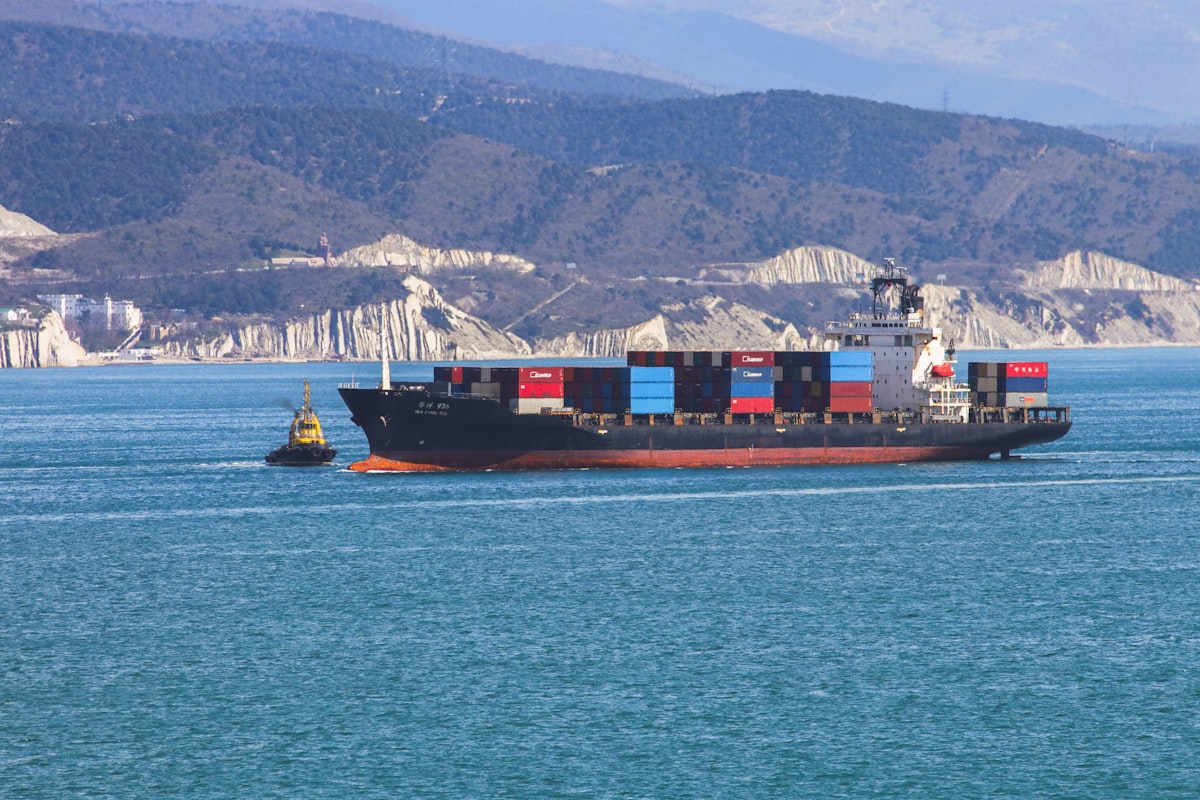
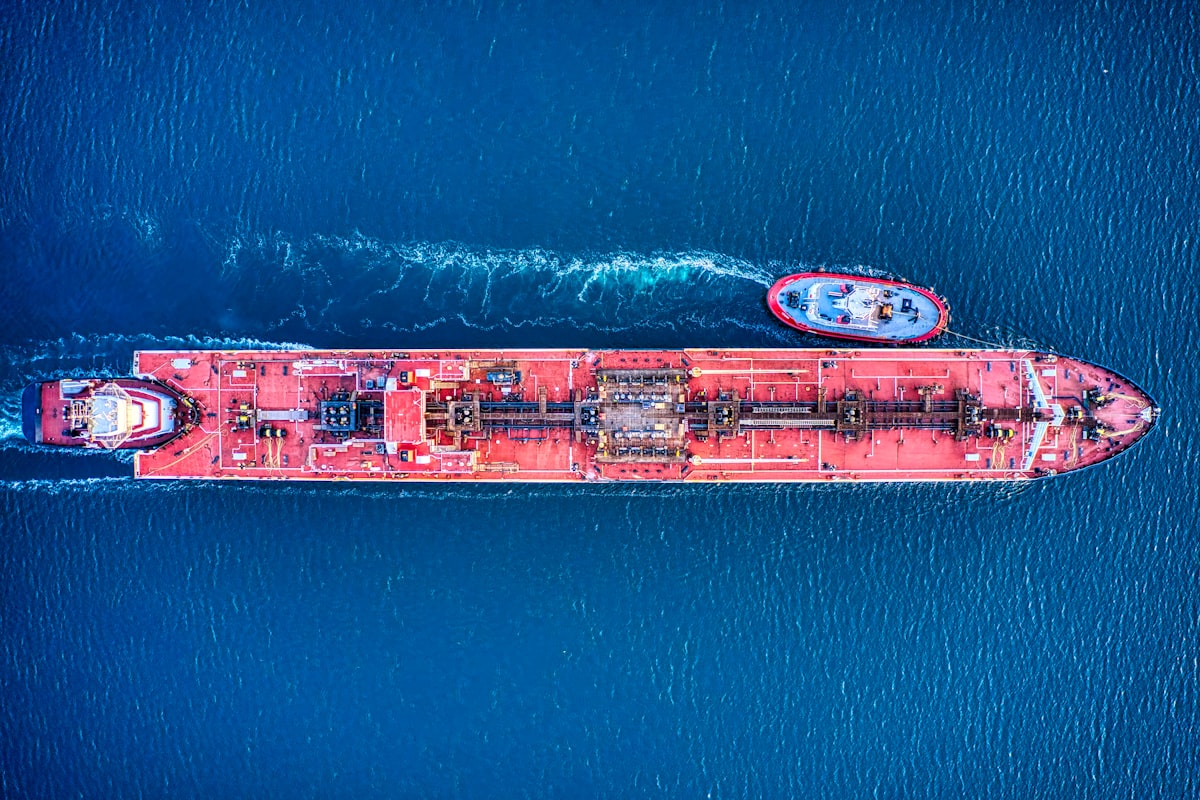
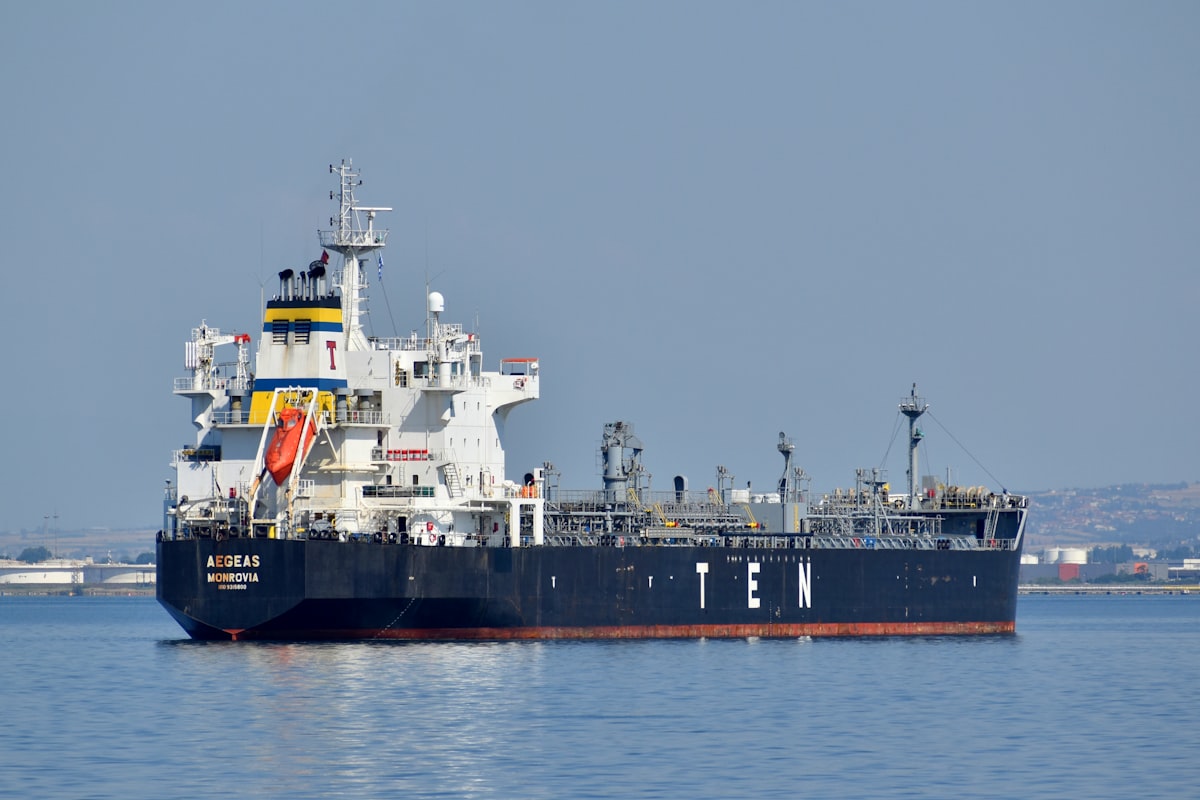
Approximately one-third of Europe's jet fuel supply transits the Strait of Hormuz aboard product tankers loading at refineries in Saudi Arabia, the UAE, Kuwait, and other Gulf states, and the effective closure of the strait has stranded this critical energy flow at a time when European aviation is approaching its peak summer travel season. The disruption threatens to create jet fuel shortages at major European airports within two to three weeks if alternative supply sources cannot be secured, potentially triggering flight cancellations, fare increases, and a cascading impact on the continent's tourism and business travel sectors.
The Gulf region has emerged as Europe's single most important source of jet fuel imports over the past decade, as European refinery closures and the shift toward lighter, lower-sulfur crude slates have reduced domestic production capacity for middle distillates including jet fuel, diesel, and heating oil. Gulf refineries, which process heavier crude grades and have invested billions in advanced hydrocracking and hydrotreating capacity specifically to produce high-quality jet fuel and diesel for export, have filled the gap. Major export refineries in Jubail, Yanbu, Ruwais, and Ras Laffan produce millions of barrels of jet fuel monthly, virtually all of which must pass through the Strait of Hormuz to reach the open ocean.
European Airport Fuel Stocks Under Pressure
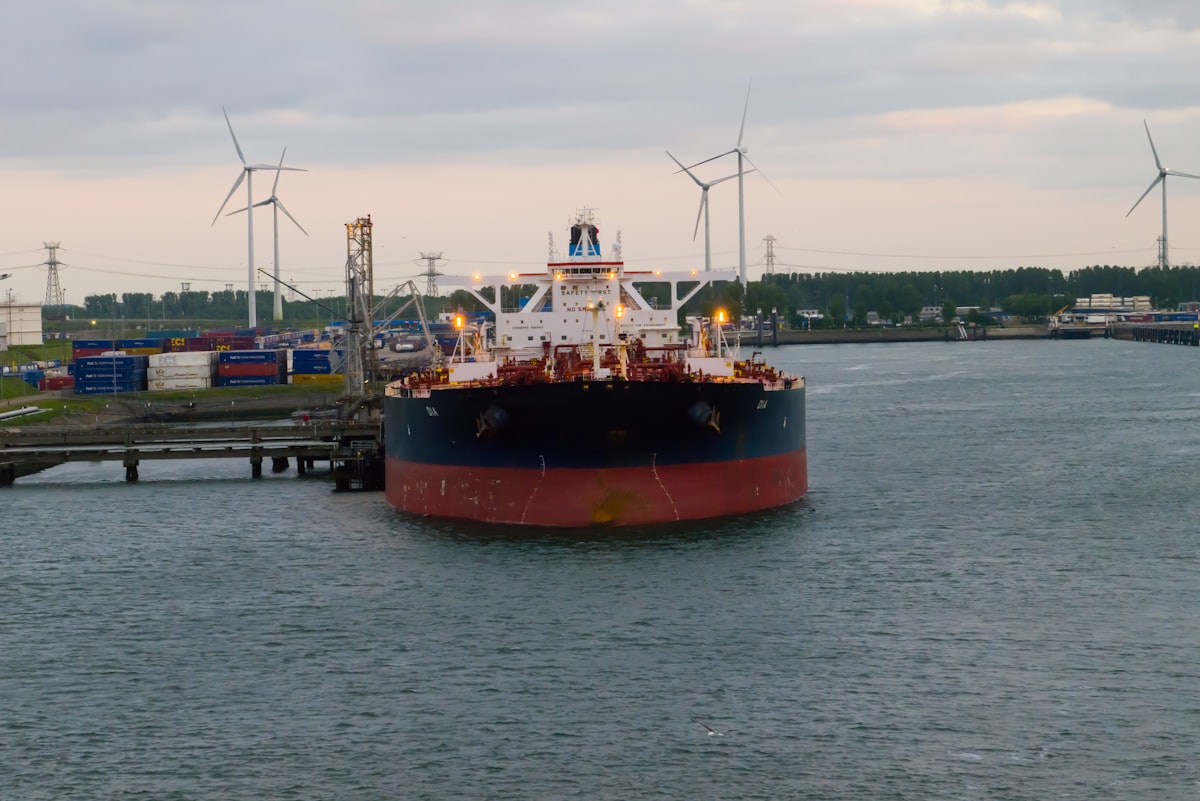
Major European airports typically maintain jet fuel stocks sufficient for 7 to 14 days of normal operations, supplied by a continuous pipeline of deliveries from coastal tank farms that receive product via coastal tanker from import terminals. The largest jet fuel import terminals in Europe—including those at Rotterdam, Antwerp, Le Havre, and Fawley in the UK—report that their current inventories are adequate for near-term needs but that replenishment cargo arrivals from the Gulf have ceased entirely, with multiple tanker loads of jet fuel either stranded in Gulf waters or diverted to alternative routes that will add weeks to delivery schedules.
Amsterdam's Schiphol Airport, London's Heathrow, Frankfurt Airport, and Paris Charles de Gaulle—Europe's four busiest air traffic hubs—each consume between 15,000 and 25,000 metric tons of jet fuel per day during peak operations. The aviation industry body IATA has convened an emergency working group with major European airlines to assess the supply situation and develop contingency plans, which could include reduced flight frequencies, tankering additional fuel on inbound long-haul flights, and temporary fuel uplift restrictions at affected airports.
Alternative Supply Sources Face Constraints
European fuel traders are scrambling to source jet fuel from alternative origins, but the options are limited and expensive. Indian refineries, particularly those operated by Reliance Industries and Nayara Energy on India's west coast, represent the most immediate alternative supply source. These refineries have available export capacity and do not depend on the Strait of Hormuz for outbound shipments. However, the sudden surge in demand for Indian product tanker capacity has driven freight rates sharply higher, and the longer shipping distance compared to the Gulf adds approximately 10 to 12 days to delivery times.
U.S. Gulf Coast refineries represent another potential supply source, but transatlantic product tanker capacity is limited and freight rates on the U.S. Gulf to Europe route have already increased by approximately 40 percent in response to the disruption. Asian refineries in South Korea, Japan, and Singapore could theoretically redirect jet fuel cargoes to Europe, but doing so would create shortages in Asian markets that are themselves already tight due to strong regional demand and the broader disruption to Middle Eastern product flows.
The European Commission has held preliminary discussions with member states about the potential activation of strategic petroleum product reserves, which include jet fuel and diesel stockpiles maintained by EU member states under the Oil Stocks Directive. However, these strategic reserves are designed as a buffer against temporary supply disruptions and are not a sustainable substitute for the continuous flow of Gulf-origin product that normally supplies European refineries and fuel depots.
Airlines and Passengers Face Cost Escalation
The jet fuel supply disruption arrives at a particularly sensitive time for European airlines. The industry is still recovering from the COVID-19 pandemic's devastating impact on air travel demand, and many carriers are operating with tight profit margins that leave little room to absorb significant fuel cost increases. Jet fuel prices in the European market, tracked by the Platts CIF NWE benchmark, have increased by approximately 15 percent since the Hormuz crisis began, and further increases are expected as the supply shortfall widens.
Airlines hedge their fuel exposure to varying degrees, but hedging typically covers only 40 to 60 percent of anticipated consumption over a 6 to 12 month horizon. The unhedged portion of fuel requirements will be purchased at spot market prices that fully reflect the Hormuz disruption premium, flowing directly through to operating costs. Budget carriers with thin margins and limited hedging programs are particularly vulnerable, and industry analysts warn that some smaller European airlines could face liquidity pressures if the crisis extends beyond one month.
For passengers, the impact will manifest as higher fares, particularly on routes operated with older, less fuel-efficient aircraft where fuel represents a higher proportion of total operating costs. Travel industry consultants project that average European airfares could increase by 8 to 15 percent over the coming weeks if the disruption persists, with the largest increases on long-haul routes where fuel is a more significant cost component. The timing coincides with the beginning of the summer booking season, when European consumers typically finalize holiday travel plans—creating the possibility that higher fares could dampen tourism demand across the Mediterranean and beyond.