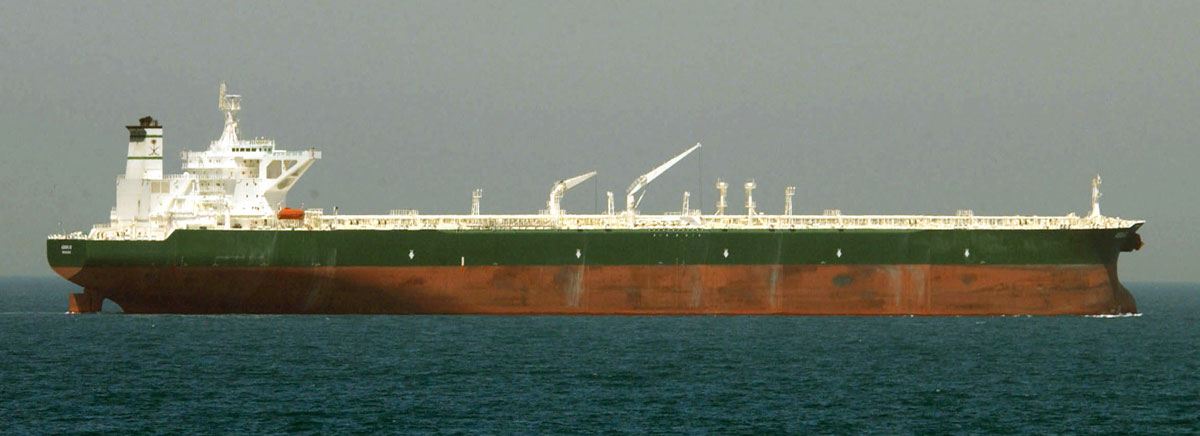
Aliki Paliou just made a move that caught half the tanker market off guard. Performance Shipping quietly signed contracts on March 2 for two brand-new Suezmax tankers from Shanghai Waigaoqiao Shipbuilding, and the timing raises some seriously interesting questions about what the Greek shipowner knows—or thinks she knows—about where the tanker market's heading.
The Numbers Tell a Story
Two 158,000 DWT Suezmax vessels at $81.5 million each—that's $163 million committed to a segment where Performance Shipping currently has just two vessels on the water. This isn't incremental fleet growth. This is doubling down on Suezmax exposure in one signing. The vessels deliver in October 2028 and May 2029, meaning Paliou is betting on tanker market strength extending well into the next decade.
Performance Shipping's fleet is primarily Aframax and LR2 vessels. Moving aggressively into larger Suezmaxes suggests a strategic pivot toward bigger crude cargoes and longer-haul routes. The vessels are Tier III compliant and scrubber-fitted, which signals long operational life expectations and willingness to invest in regulatory compliance upfront rather than retrofit later.
Why Now? The Timing Is Suspicious
Let's be real: you don't sign $163 million in newbuilding contracts without having a view on the market. Performance Shipping's move comes while the Hormuz crisis has pushed all tanker rates to extraordinary levels. But newbuildings delivering in 2028-2029 aren't about today's crisis—they're about what happens after. Is Paliou betting on structural tightness in the Suezmax fleet? On sustained geopolitical risk premiums? On replacement demand as older vessels age out?
The payment structure is revealing too: 15 percent upfront, then 10 percent at steel cutting, keel laying, and launch respectively, with 55 percent at delivery. That's relatively standard, but it locks Performance Shipping into a multi-year capital commitment during one of the most volatile periods in recent shipping history.
The Greek Shipping Power Move
Paliou has been quietly building Performance Shipping into something formidable. The company started with a handful of tankers and has systematically expanded through well-timed acquisitions and newbuildings. This Suezmax order suggests she sees the mid-size crude carrier segment as underserved and undervalued relative to VLCCs, which have captured all the crisis-driven attention.
Industry watchers note that Suezmax vessels offer operational flexibility that VLCCs lack—they can access a wider range of ports and terminals, particularly in the Mediterranean, West Africa, and Southeast Asia. If long-haul crude routes become more important as Middle East supply patterns shift, Suezmaxes could be ideally positioned to capture that traffic.
The real question: is this the start of a broader Greek shipowner ordering spree? When one major player moves, others tend to follow. Watch the order books over the next few weeks—Paliou's bet might be contagious.