Historic Shipping Disruption Grips Critical Waterway
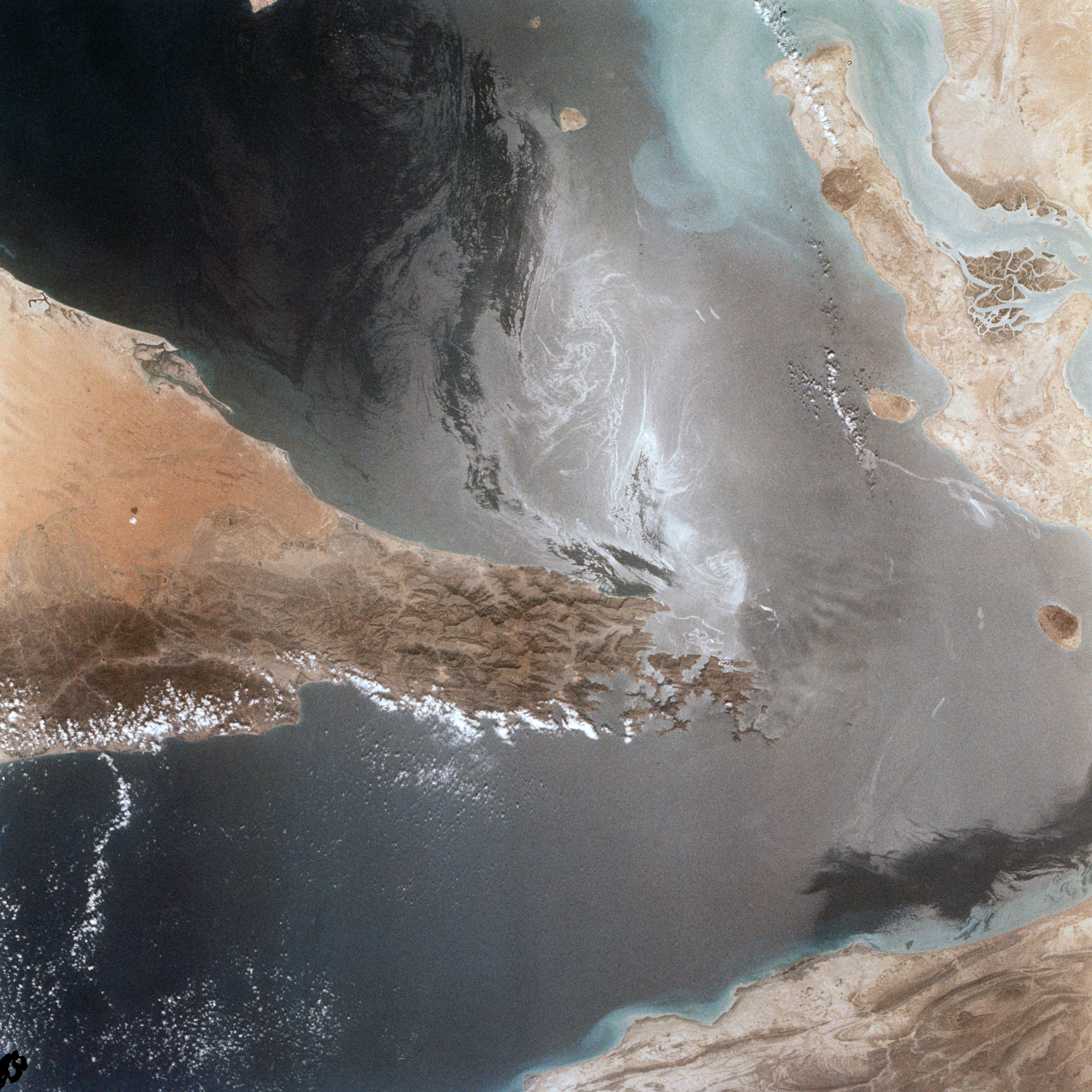
A unprecedented shipping disruption has struck the Strait of Hormuz, with no oil tankers recorded passing through the waterway in a single 24-hour period, marking an extreme escalation of traffic chaos in one of the world's most critical petroleum chokepoints. MarineTraffic data confirmed that only two commercial vessel transits occurred throughout the day, with roughly 3,000 ships currently sheltering in Persian Gulf ports awaiting clarity on maritime conditions.
The halt represents a staggering 90% decline in traffic volumes compared to the previous week's operations, underscoring the severity of the crisis now paralyzing global energy flows. According to MarineTraffic, approximately 700 ships remain idle on either side of the Strait as tanker traffic has collapsed by 86% overall, creating the most severe bottleneck in the waterway's modern history.
Military Threats Amplify Shipping Paralysis
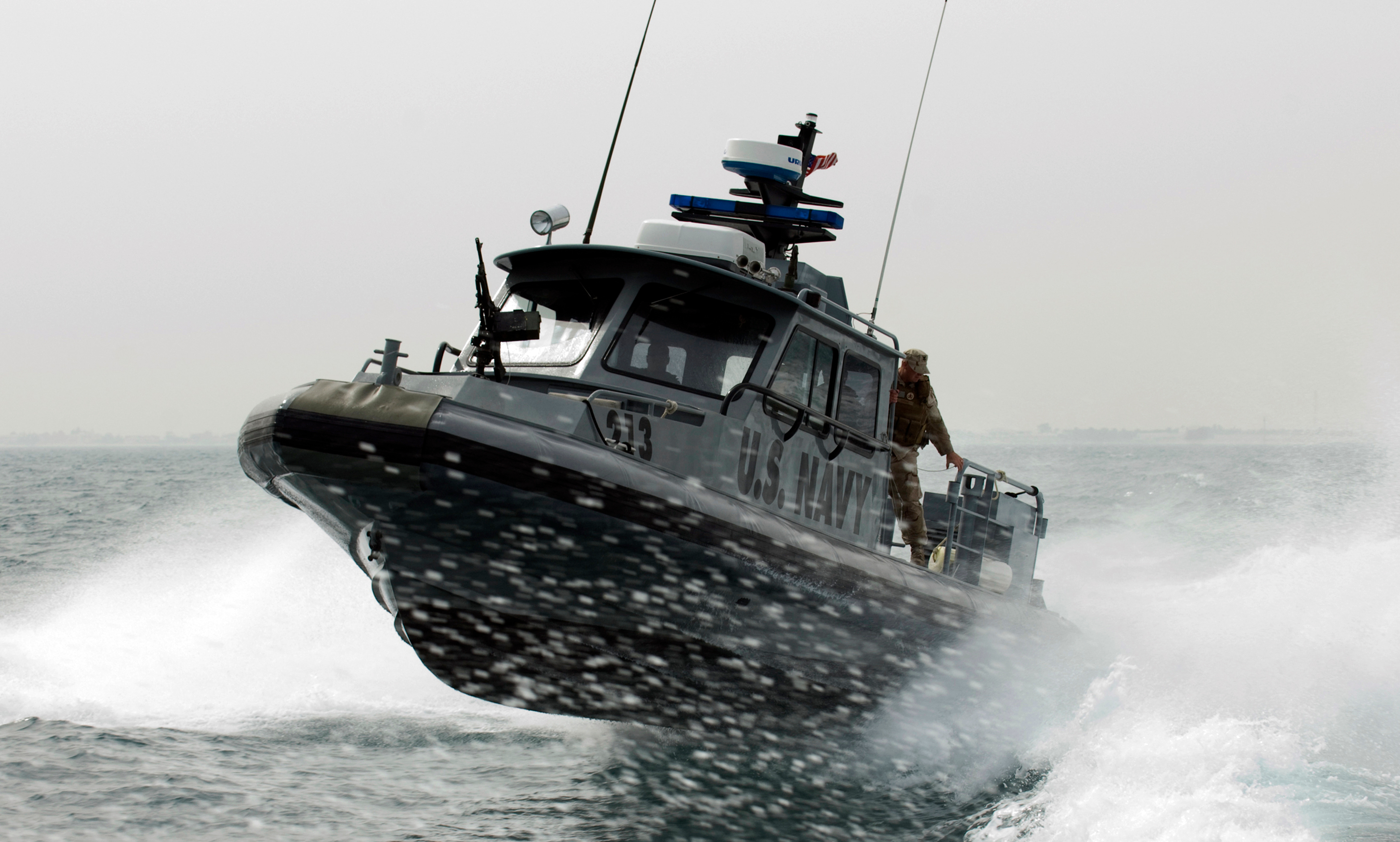
Rhetoric from military authorities has intensified the crisis atmosphere. An Iranian Revolutionary Guard Corps (IRGC) commander declared the strait was effectively "closed" and threatened to "set any ship trying to pass on fire," language that has prompted shipping companies and vessel operators to exercise extreme caution before committing assets to transit attempts.
These explicit threats have effectively created a de facto blockade without formal governmental action, as commercial operators weigh regulatory compliance against security risks. The combination of military threats and practical shipping disruption has created a cascading effect throughout the global maritime industry, affecting everything from insurance markets to commodity prices.
Port Congestion Reaches Crisis Levels
The accumulation of stranded vessels has created severe congestion at major Persian Gulf ports. Port authorities in the United Arab Emirates, Saudi Arabia, Qatar, and Kuwait are managing unprecedented numbers of idle commercial vessels awaiting transit authorization or alternative routing instructions.
Port capacity at major terminals has become severely stressed, with some facilities approaching maximum operating thresholds. Vessel operators report extended waiting periods for berthing slots, compounding demurrage costs and operational expenses for affected shipping companies.
Tanker Industry at Standstill
The complete halt of crude oil tanker transits represents an extraordinary collapse of traffic through the Strait, which normally handles approximately 21 million barrels per day under normal conditions. The zero-transit period, however brief, demonstrates the vulnerability of global energy infrastructure to regional disruptions.
Very Large Crude Carriers (VLCCs) capable of transporting approximately 2 million barrels per voyage are unable to secure insurance or obtain clearance for Strait passages, effectively locking billions of dollars in floating crude inventory outside markets that desperately require supply.
Supply Chain Consequences Cascade Globally
The shipping disruption is already triggering observable impacts across energy markets. Refineries dependent on Middle Eastern crude are signaling reduced intake expectations, while alternative supply sources are being activated. Energy traders report panic buying of crude from non-Middle Eastern sources, artificially inflating prices in alternative markets.
Global energy security has become a primary concern for governments worldwide, with strategic petroleum reserves potentially being released to stabilize markets. The disruption extends beyond crude oil to include refined products, liquefied natural gas, and other critical commodities normally transited through the Strait.
Market Responses Unfold Rapidly
Commodity exchanges have recorded significant price volatility in response to the shipping paralysis. Trading volumes on crude futures markets have spiked sharply as participants react to supply uncertainties. Shipping-related indices, including tanker rate benchmarks, have begun reflecting the extraordinary operational conditions.
Insurance underwriters have suspended standard coverage for Strait transits, creating secondary operational barriers beyond military threats. The combination of military risk, insurance unavailability, and regulatory uncertainty has created a near-complete operational freeze on transits.
Industry Contingency Measures Accelerate
Shipping companies are rapidly implementing contingency plans, including rerouting via the Cape of Good Hope, which extends voyage times by approximately 12 days and substantially increases operational costs. These alternative routes are drawing vessels away from the Persian Gulf, further reducing activity in the region.
Fleet operators are reassessing asset deployment strategies, with some vessels being repositioned to other trade lanes entirely. The shift in routing patterns is creating congestion in alternative chokepoints, including the Suez Canal, as shipping companies attempt to maintain supply chains around the Hormuz crisis.
Future Outlook Remains Deeply Uncertain
The persistence of explicit threats and military positioning suggests the disruption may extend beyond the initial 24-hour zero-transit period. Industry analysts are preparing scenarios for extended Strait closures, potentially measured in weeks rather than days. The scale of stranded inventory and port congestion suggests normalization, if achieved, will require an extended recovery period even after military threats subside.