A Chokepoint Choked: The Collapse of Global Shipping
On February 28, 2026, the Strait of Hormuz transformed from a critical commercial corridor into a contested war zone. Following coordinated US and Israeli military strikes on Iranian facilities, the Islamic Revolutionary Guard Corps responded by implementing a near-total closure of one of the world's most vital maritime arteries. Within hours, 94 percent of traffic through the strait evaporated as commercial operators made the rational economic calculation that transit through missile-strike zones carries unacceptable insurance costs and risks. The ramifications rippled across global supply chains with stunning speed, exposing structural fragilities in an energy system that had grown complacent about geography and geopolitics.
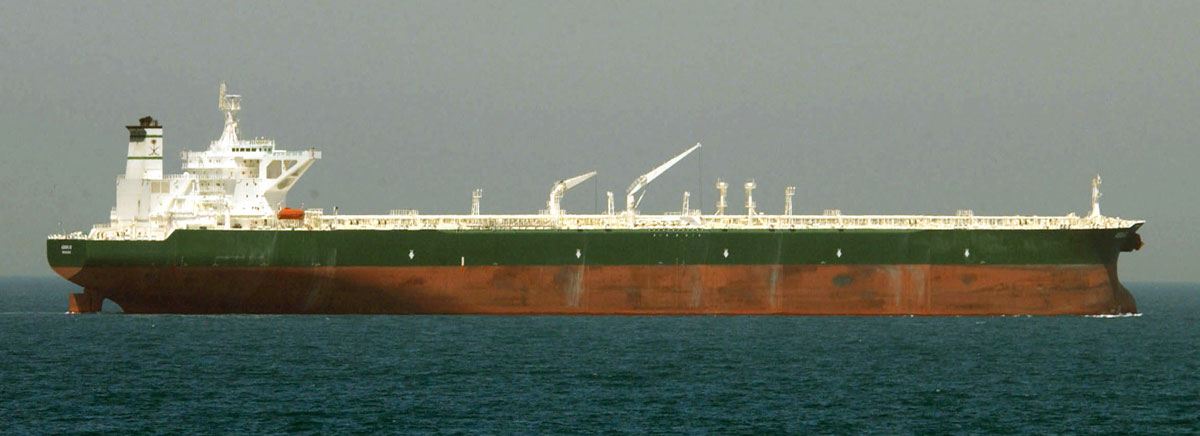
The numbers crystallize the catastrophe's scale. The Strait of Hormuz handles approximately 20 percent of all globally traded petroleum—roughly 21 million barrels daily under normal conditions. Very Large Crude Carriers saw rates explode to $423,000 per day, representing a record premium reflecting genuine scarcity of transit capacity. The closure stranded approximately 170 container ships carrying 450,000 TEU of goods, representing everything from automotive components to electronics to perishable foods in transit to global markets.
The Immediate Shock: Refinery Shutdowns and Supply Chain Fragmentation
Saudi Arabia's Ras Tanura refinery, the world's largest single-site refining complex with capacity of 550,000 barrels daily, announced emergency shutdowns following drone attacks on critical infrastructure. This facility alone represents a significant share of global refining capacity, and its loss created immediate bottlenecks in petrochemical supply chains that ripple through manufacturing sectors globally. Within 48 hours, futures markets registered shock across multiple commodities as downstream users contemplated production halts.
The supply chain fragmentation spread with contagion-like speed. Port operators in the UAE and Oman faced congestion as vessels either rerouted around Africa—adding 14 days to transit times—or backed up in ports awaiting resolution. Container lines like Maersk and CMA CGM suspended bookings entirely through the strait. Manufacturers in South Korea, Japan, and Europe faced component shortages as just-in-time supply pipelines fell out of synchronization.
Historical Echoes: The 1988 Tanker War and 2019 Revisited
This crisis inevitably recalls the 1988 Tanker War, when Iraq and Iran targeted shipping in the Persian Gulf, destroying or damaging over 430 vessels. That precedent offers both parallels and distinctions. In 1988, the international response centered on naval escorts that eventually stabilized shipping. The current situation presents different dynamics: the closure appears deliberate and coordinated, not incidental to direct warfare, and modern alternatives provide options that didn't exist in the pre-containerized era.
The 2019 attacks on the Kokuka Courageous and Front Altair also bear examination. Those incidents resulted in closure fears but resolved within weeks. However, they established a vulnerability precedent that insurance markets underestimated. The current closure, representing a declared intent to restrict transit, indicates significantly different resolution timelines.
The Race Around Africa and Alternative Routes
The Cape of Good Hope rerouting introduces profound inefficiencies. A typical container voyage from Shanghai to Rotterdam normally covers 12,000 nautical miles over 28-30 days via Suez. The Cape route requires 45-50 days and 19,000 miles. For VLCCs, economics that depend on high utilization rates break when ship-days are consumed in transits that don't generate incremental revenue.
Alternative routes—including potential Arctic passages or transhipment through Indian Ocean ports—require infrastructure not optimized for surge usage. The Suez Canal already operates near full utilization. Expanding one chokepoint simply transfers congestion elsewhere in the system. The fundamental constraint is geographic: there is no efficient workaround for Hormuz.
Energy Markets and the Global Petrochemical Crisis
Crude oil futures spiked dramatically within five trading days, with Brent crude trading above $84 per barrel and analysts projecting $100 or higher if the disruption persists. Some oil can bypass Hormuz via the Petroline connecting Saudi fields to the Red Sea, but this represents only 5 million barrels daily—insufficient for the 21 million normally transiting. European natural gas prices surged in anticipation of LNG supply disruptions from Qatar's shutdown. Forward-looking contracts incorporated risk premiums assuming extended closure.
The petrochemical cascade extends beyond energy markets. Plastics production, pharmaceutical manufacturing, and fertilizer supply chains all depend on feedstock flowing through Hormuz. Agricultural regions dependent on Gulf-origin fertilizers face planting season disruptions that could affect food security well beyond the immediate crisis zone.
The Duration Question: Weeks Versus Months
A 2-3 week closure remains manageable within existing inventory buffers. Strategic petroleum reserves, if deployed, could cushion price impacts. Manufacturers extend schedules, accepting inventory builds. A multi-month closure enters dangerous territory—refiners face feedstock shortages, petrochemical producers halt production, unemployment follows idled capacity, and the dynamic becomes self-reinforcing into potential recession.
A structural breakdown lasting six months or more precipitates the scenario that energy strategists have postulated for decades but never believed would manifest. Global manufacturing relocates toward energy security rather than cost optimization. Saudi Arabia and UAE invest in domestic manufacturing. India and China gain relative advantage with alternative supply chains.
What This Means: Reckoning with Vulnerability
The 2026 Hormuz crisis represents a fundamental reckoning with supply chain architecture built over decades assuming stable chokepoint access. Even if the closure resolves within weeks, the structural vulnerability remains. Future crises will exploit it. Corporations will reassess dependencies. Energy markets will price in permanent risk premiums. The response—both immediate rerouting and strategic choices—will reshape global supply chains for a generation. The era of optimization premised on chokepoint access ends. In its place emerges resilience-focused architecture that explicitly prices vulnerability.