
· Maritime Intelligence
Maritime News & Gosship
Industry Analysis

The Hormuz Chokepoint: How Seven Days Reshaped Shipping Risk

A week of Strait closure triggered 90% tanker traffic collapse and 86% overall decline, forcing insurers to redefine risk models.

Clark Kim·March 7, 2026·4 min read min read
The Hormuz Chokepoint: How Seven Days Reshaped Shipping Risk

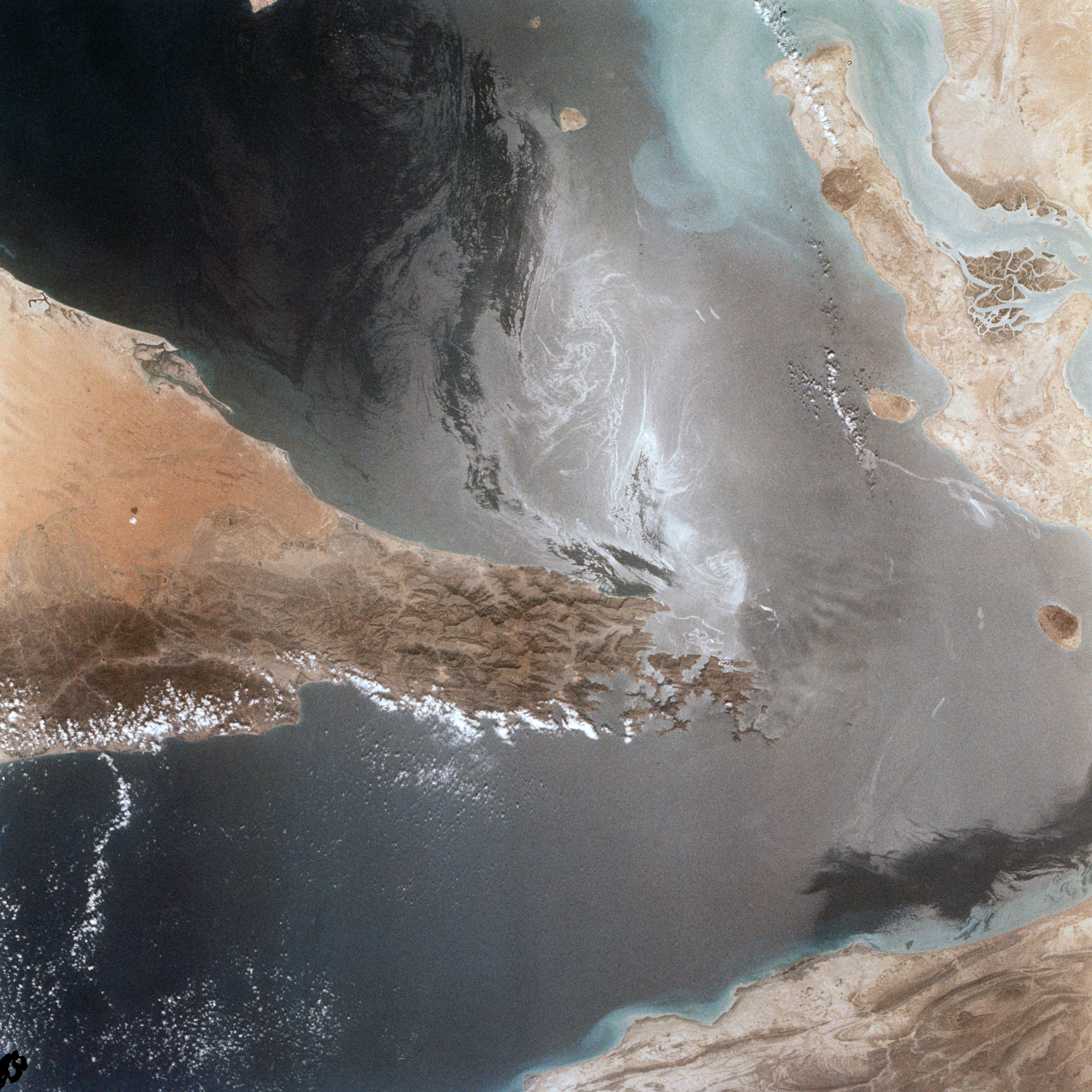
The Strait of Hormuz has long been maritime’s single point of failure—a geographic necessity that concentrates nearly 20% of the world’s oil through a 33-nautical-mile corridor at its narrowest point. For decades, shipping companies, energy producers, and governments managed this concentration risk through a combination of diplomacy, deterrence, and financial instruments. But seven days in early March 2026 exposed the brittleness of these assumptions and rewrote the operational and financial frameworks that underpin modern shipping.

The Immediate Impact: Traffic Collapse and Market Shock

When maritime chokepoints close, the data tells a stark story. Within 72 hours of the incident, tanker traffic through Hormuz plummeted 90%, with only essential vessels and those unable to divert attempting passage. The broader shipping impact was equally severe: overall transits fell 86%, including container, dry bulk, and LNG movements. This wasn’t theoretical—3,000 ships rapidly entered holding patterns in the Gulf of Oman and Arabian Sea. Some 700 vessels went idle, their economics inverted overnight as waiting costs exceeded fuel savings from reduced speed.

The market response was immediate and visceral. VLCC rates hit $423,000 per day—a new record that eclipsed previous peaks during the 2011 Gulf unrest and 2022 Russian energy crisis. Container carriers, LNG tankers, and dry bulk vessels all saw their cost structures transformed. For a standard 8,000 TEU container ship, forced Cape rerouting added an estimated $2-3 million to voyage economics before the vessel even departed the first port.

Commodity markets reflected the panic. WTI crude climbed past $90 per barrel, a 35% weekly gain that rippled through energy hedging desks globally. Unlike previous supply-shock scenarios, this disruption came not from production interruption but from pure logistical blockade.

Insurance Transformation: When Risk Premiums Become Uninsurable

Insurance markets moved faster than vessel routing. P&I clubs and hull insurers began repricing within hours. Standard Hormuz transit premiums spiked to 5-10% for exposed cargoes. War risk additional covers jumped to 1.5-3%. The $20 billion US government reinsurance program announced within 48 hours was unprecedented, signaling that private markets alone couldn’t absorb the tail risk that Hormuz closure represented.

The program’s structure—direct government backstop for losses above certain thresholds—became a permanent fixture in shipping insurance architecture. Underwriters now operate knowing that extreme Hormuz disruptions will trigger sovereign reinsurance.

Historical Parallels: 1987 and 2019 Did Not Prepare Us

Shipping industry veterans invoked the 1987 Tanker War, when Iranian attacks on merchant vessels prompted Kuwaiti tanker reflagging. The 2019 tanker attacks near Fujairah briefly spiked insurance but resolved within days. The 2026 closure differed in critical ways: it created structural uncertainty about whether this was temporary or a new baseline. The insurance market’s response suggested regime change, not temporary shock.

By 2026, global shipping is far more tightly packed—there is less redundancy. Every ship is optimized for the lowest-cost route; surge capacity is minimal. When forced to reroute, the entire system felt strain simultaneously.

Rerouting Economics: The Cape of Good Hope Premium

Cape of Good Hope routing added approximately 19 days to westbound transits and 7 days to eastbound movements. Additional fuel consumption added $300,000-500,000 per voyage. Container surcharges of $1,500-2,000 per TEU became standard within days. For a typical 8,000 TEU vessel, a forced Cape reroute cost $2.5-4 million in additional operating expenses. Multiply across 700+ vessels rerouting, and the global shipping cost increment exceeded $2 billion in that first week alone.

Impact Across Segments: No Immunity for Any Class

Tankers bore the most acute pressure. VLCC rates at $423,000/day made sense economically despite the longer voyage, because oil spot premiums justified the cost. Container carriers absorbed the cost penalty and passed it to shippers via $1,500+ TEU premiums within 48 hours. LNG shipping faced unique challenges as carriers committed to specific terminal-pair routes couldn’t easily reroute. Dry bulk also felt secondary effects from port congestion in alternative hubs.

The Question of Duration

Historical precedent offered little comfort: the 1956 Suez closure lasted months; the 1967-1975 closure lasted eight years. The 1987 Tanker War lasted over a year. The question shifted from “when does this resolve” to “how do we restructure assuming this persists?” That’s when the insurance government backstop program gained critical importance.

What This Means: Risk Models and the Cost of Chokepoint Vulnerability

The Hormuz crisis revealed that modern shipping’s risk architecture is underbuilt for extended high-impact disruptions. Chokepoint closure is no longer treated as black swan; it’s treated as amber risk with concrete probability. Companies are now asking whether dependence on single chokepoints is sustainable. The surge in Arctic passage interest, expanded Panama Canal capacity investment, and conversations about alternative Middle East export infrastructure all accelerated.

The insurance transformation is equally durable. Once underwriters have repriced a risk, they don’t easily reverse course. P&I clubs will maintain higher baseline reserves for Hormuz transit coverage. These aren’t temporary surcharges; they’re permanent recalibrations. That cost increase flows directly into the price of crude oil, refined products, and container freight—a permanent inflation on global trade.

The government reinsurance program signals something deeper: private markets alone cannot manage chokepoint risk at the scales we’ve built. When a single geographic point threatens $2 trillion in annual trade flows, governments become explicit risk partners. This changes the accountability structure and decision-making calculus about route timing, speed, and cargo concentration—not immediately, but structurally over time.

More Stories

✉ Subscribe