First Strike on Russia's LNG Shadow Fleet
The Arctic Metagaz incident represents a watershed moment in the intersection of maritime sanctions enforcement and kinetic military action. When the Russian-flagged LNG carrier caught fire in the central Mediterranean on March 3, 2026, following suspected Ukrainian drone strikes, it marked the first confirmed attack on a vessel from Russia's liquefied natural gas shadow fleet. The vessel, under US, UK, and EU sanctions since 2024 for its role in transporting Russian LNG while evading Western restrictions, was reportedly laden with cargo from Arctic LNG 2 loadings when struck. The attack signals an escalation that fundamentally changes the risk calculus for shadow fleet operations.
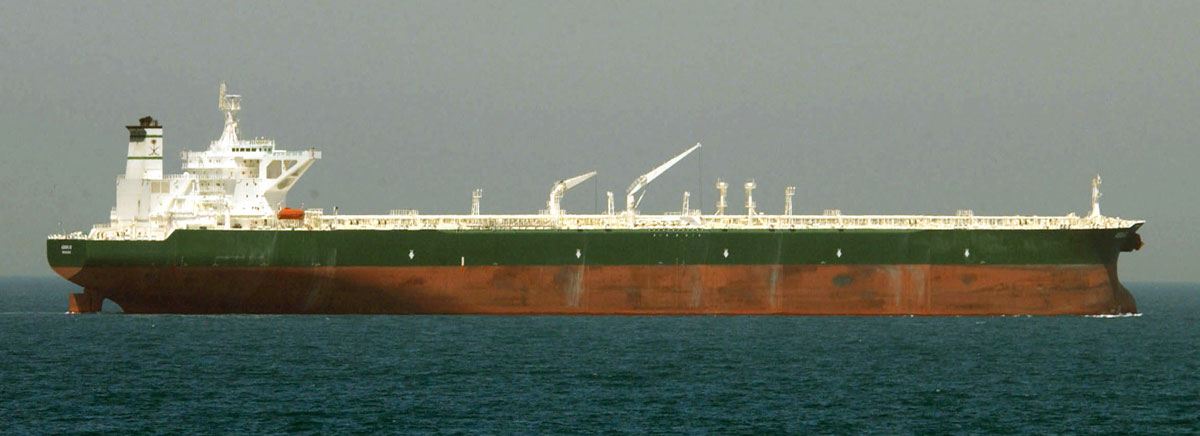
The Arctic Metagaz, built in 2003, is a 277-meter carrier with IMO number 9243148 that has been operating in defiance of Western sanctions to maintain Russia's LNG export revenue streams. Multiple explosions at approximately 4:00 a.m. local time left the vessel burning in international waters between Malta and Libya, with crew members forced to evacuate into lifeboats before rescue. Russia officially blamed Ukraine for the attack, confirming what maritime security analysts had anticipated: the theater of maritime conflict has expanded beyond the Black Sea to encompass Russia's global sanctions-evasion network.
The Qendil Precedent and Escalation Pattern
The Arctic Metagaz attack follows a December 2025 Ukrainian drone strike on the crude oil tanker Qendil in the Mediterranean—an incident that established Ukraine's capability and willingness to target sanctioned vessels far from the traditional combat zone. The escalation from crude oil tankers to LNG carriers is significant: LNG vessels carry substantially more volatile cargo, and the environmental and safety implications of attacking them are categorically more severe. The progression suggests a deliberate Ukrainian strategy of gradually expanding targeting to Russia's most valuable and vulnerable maritime assets.
Maritime security firms have noted that the shadow fleet's operational patterns—predictable routes, aging vessels, reduced crew, and limited naval escort capability—make these ships relatively vulnerable to drone targeting. Unlike military vessels, commercial tankers have no defensive countermeasures against precision maritime drones. The shadow fleet's operational security, previously focused on concealing ownership structures and evading port state inspections, now must contend with physical attack risk that no amount of corporate shell-company layering can mitigate.
The EU's 20th Sanctions Package and Port Denial Strategies
The regulatory dimensions of the shadow fleet crisis are evolving in parallel with the military threat. The EU's proposed 20th sanctions package, marking four years since Russia's full-scale invasion of Ukraine, includes 43 additional vessel designations targeting ships involved in Russian oil transport. More significantly, the EU has floated proposals to sanction specific third-country ports accused of handling Russian oil—a novel approach that treats ports as sanctionable nodes rather than just ships and owners.
This port-denial strategy could prove more effective than vessel-specific sanctions, which Russia has repeatedly circumvented through ownership transfers, flag changes, and corporate restructuring. If ports in India, Turkey, and the UAE face secondary sanctions for handling Russian oil, the commercial infrastructure supporting shadow fleet operations becomes substantially more constrained. Port operators, unlike shipowners, cannot easily relocate or rebrand their facilities.
UK-EU Divergence and Sanctions Architecture
The UK's February 25 announcement backing a full maritime services ban on Russian oil—even without US support—creates an asymmetric enforcement environment that complicates shadow fleet operations. British-linked insurance, classification, and financial services touch a massive portion of global shipping. P&I clubs based in London cover roughly 90 percent of world tonnage. If those services become unavailable for Russian oil transport, the economics of shadow fleet operations change fundamentally.
The EU package, meanwhile, has been delayed by opposition from Malta and Greece—both significant shipping economies with complex commercial ties to Russian trade. Hungary and Slovakia have added further complications. The divergence between UK decisiveness and EU deliberation creates regulatory arbitrage opportunities that Russia has historically exploited, but the overall trajectory points toward tightening constraints across all major maritime jurisdictions.
Environmental and Safety Risks Escalate
The shadow fleet poses environmental risks that the Arctic Metagaz fire dramatically illustrates. Many sanctioned vessels operate with deferred maintenance, aging hull integrity, and uncertain insurance coverage. Environmental organizations have long warned that the combination of aged vessels, volatile cargo, and reduced crew creates conditions for maritime disasters. An LNG containment failure during a sustained fire could produce environmental consequences dwarfing typical crude oil spills, as LNG evaporation creates explosive gas clouds that endanger rescue vessels and nearby shipping.
Coastal nations along shadow fleet transit routes—particularly in the Mediterranean, Baltic, and Southeast Asian corridors—face growing exposure to catastrophic incidents involving vessels that carry inadequate or fraudulent insurance. When incidents occur, recovery costs fall to coastal states rather than the vessel operators or their opaque corporate structures.
What This Means: Enforcement Evolves Beyond Paperwork
The Arctic Metagaz incident signals that sanctions enforcement against Russia's shadow fleet has entered a new phase where regulatory measures and military actions converge. The combination of drone attacks, expanded vessel designations, port denial strategies, and maritime services bans creates a multi-layered constraint system that will progressively compress the shadow fleet's operational space. Russia's ability to maintain energy export revenues through sanctions-evading maritime operations faces its most serious challenge since Western sanctions began. The question is whether the shadow fleet can adapt faster than the enforcement mechanisms closing around it—or whether the era of large-scale Russian sanctions evasion via aging tankers is approaching its end.