Trump Administration Announces Navy Escort Initiative Amid Industry Skepticism
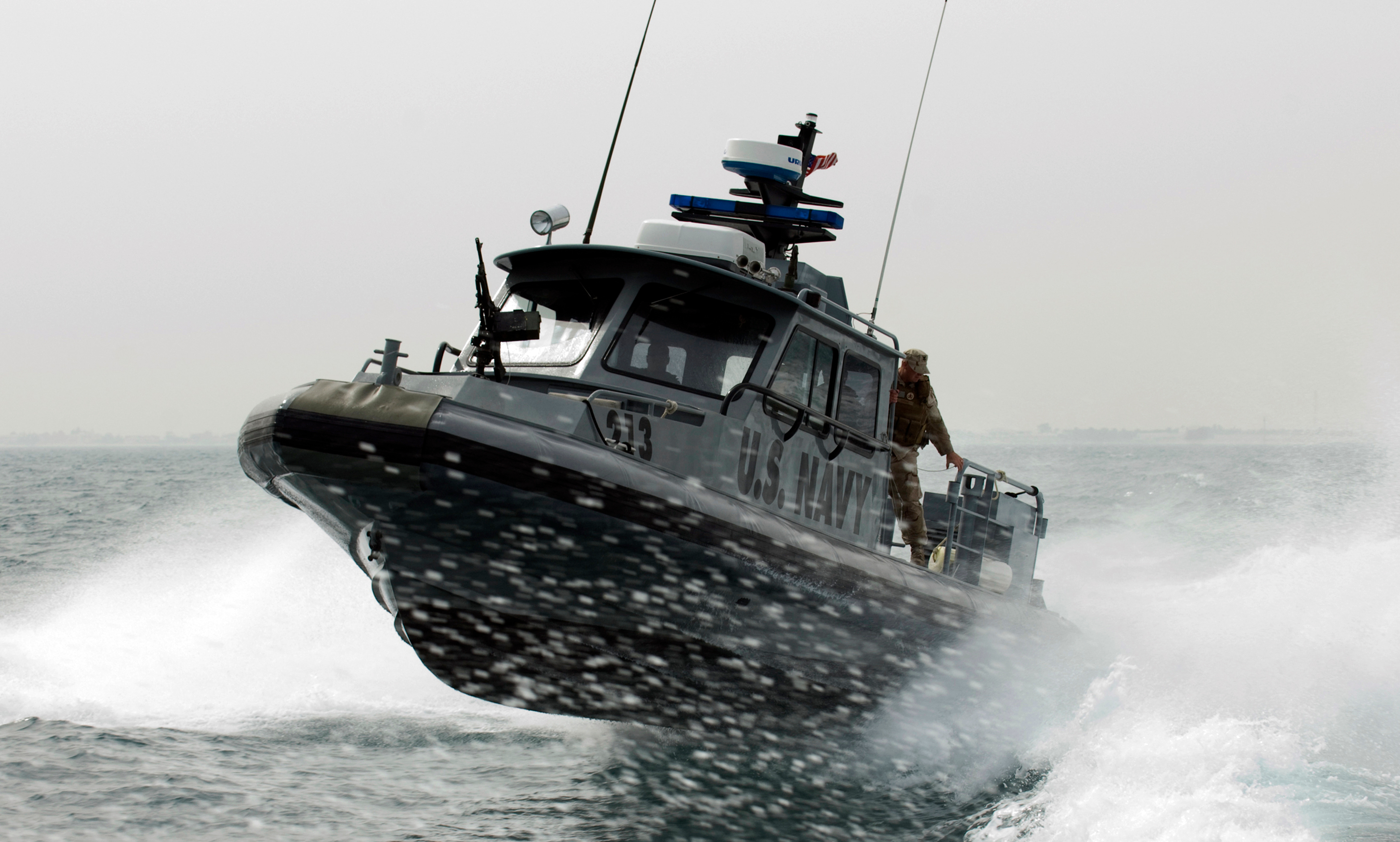
The Trump administration announced via social media that the United States Navy may provide escorts for commercial tanker vessels transiting the Persian Gulf, marking a significant potential shift in maritime security policy. The announcement suggested that Navy vessels could accompany commercial shipping through contested waters, potentially reducing insurance costs and enabling resumed commercial operations. However, less than 24 hours after the announcement, senior Navy officials privately informed shipping industry leaders that no specific capability or timeline existed for implementing a sustained escort program, contradicting the administration's public statements and forcing significant recalibration of industry expectations.
A senior administration official stated that while the Navy "may escort tankers," no specific timeline had been established for launching such operations. The vague commitment failed to address fundamental operational questions regarding escort frequency, coverage area, vessel types to be escorted, or sustainability of any escort commitment. Shipping industry representatives noted that the absence of concrete details made the announced policy insufficient to justify resumption of normal operations or justify reduction of insurance reserves against future disruptions.
Navy Officials Privately Deny Capability and Availability
In private briefings with maritime industry representatives, including major vessel owners and insurance brokers, Navy officials explicitly stated there was "no chance" of establishing immediate escort operations. Senior naval commanders emphasized that the Navy currently lacks the vessel availability required to maintain continuous or even frequent escort coverage across the Persian Gulf's vast operational area. The gap between public statements and private communications created substantial confusion within the shipping industry regarding actual US government capability and commitment to addressing maritime security challenges.
Naval planners indicated that establishing a sustained escort operation would require redeployment of additional vessels from other strategic areas, potentially including the Western Pacific, Mediterranean, or Atlantic stations. Such redeployments would face substantial geopolitical complications and would require approval from higher-level command structures. Navy representatives also noted that even with redeployed vessels, maintaining continuous escort coverage would strain available resources given the geographic scale of the Persian Gulf and the large number of vessels requiring protection.
Industry Challenges in Implementing Convoy Operations
Shipping industry experts emphasized that organizing effective tanker convoys faces substantial operational complications beyond Navy availability. Convoy operations typically reduce transit speeds to accommodate the slowest participating vessels, adding days to voyage transit times. Coordinating multiple privately-operated tankers with different destinations, operational requirements, and structural characteristics into unified convoy formations presents logistics challenges that historically have required extended planning periods. Ship owners noted that ad-hoc convoy arrangements without established protocols and extensive advance planning create operational risks and commercial complications.
The operational complexity of convoy organization suggests that even with available Navy vessels, implementing meaningful escort programs would require weeks of advance preparation and establishment of detailed protocols. Shipping industry participants indicated that the time required to organize convoy operations exceeded the immediate need for confidence restoration in the shipping market. Without prompt resumption of safe transits, vessel operators face pressure to pursue alternative routing strategies or accept extended operational disruptions.
Insurance Markets Require Sustained Safety Track Record
Marine insurance underwriters indicated that meaningful reduction in war risk premiums and restoration of coverage would require a sustained period of safe transits without attacks or security incidents, rather than initial Navy escort operations. Even with Navy vessels present, insurers noted that the fundamental threat to commercial shipping would persist unless underlying political circumstances stabilized. Insurance specialists emphasized that a few protected convoy movements would be insufficient to restore confidence in the broader maritime market or justify normalization of pricing to pre-crisis levels.
Lloyd's of London representatives stated that renewed confidence in Persian Gulf shipping would require at minimum two to four weeks of incident-free operations before meaningful premium reductions or expansion of coverage would occur. Shorter periods of apparent stability would be viewed as temporary respites rather than fundamental resolution of underlying security challenges. The extended timeline required for insurance market normalization underscores the disconnect between immediate policy announcements and the gradual process required for actual market recovery.
Iran's IRGC Escalates Threats Against Commercial Shipping
Meanwhile, Iran's Islamic Revolutionary Guards Corps (IRGC) issued public threats indicating willingness to "set any ship on fire" that would participate in convoy operations or demonstrate support for external maritime security initiatives. The IRGC statements reflected Iranian concern that Navy escort programs might undermine asymmetric advantages created by commercial shipping uncertainty and elevated insurance costs. Iranian officials characterized potential Navy escort operations as infringement on regional sovereignty and threat to Iranian national interests, signaling potential escalation in response to any sustained Navy presence expansion.
The IRGC threats complicate the security calculus surrounding any Navy escort initiative, potentially creating additional risk factors for merchant vessels operating under Navy protection. Security analysts noted that IRGC escalation threats could force Navy vessels to adopt more aggressive defensive postures, potentially increasing the risk of escalatory incidents. The threat environment suggests that Navy escort operations, even if implemented, might not provide the security assurances that commercial shipping operators require for resumption of normal operations and normalization of insurance market conditions.