US Development Finance Corporation to Backstop Gulf Trade
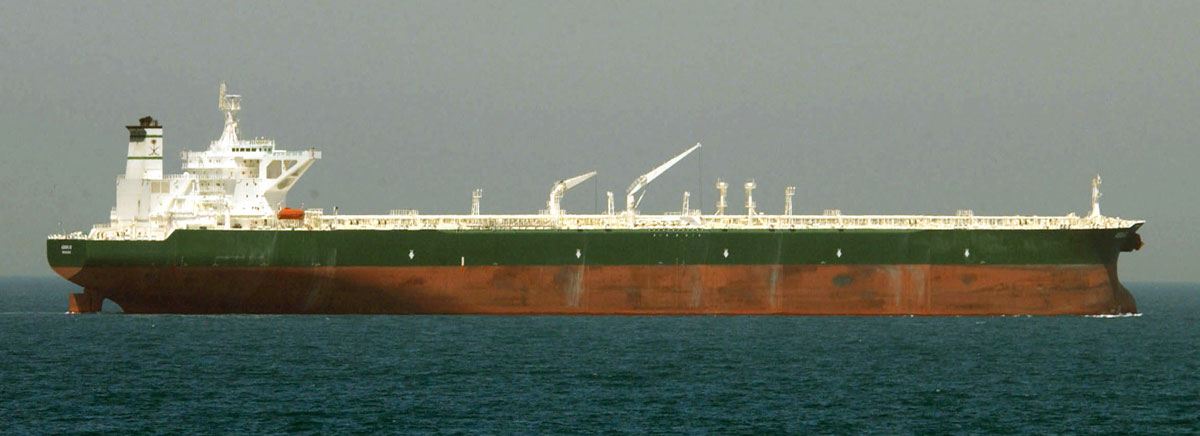
President Donald Trump announced on March 3, 2026, that he has directed the US Development Finance Corporation to provide political risk insurance and financial guarantees for all maritime trade passing through the Persian Gulf and Strait of Hormuz. The executive action came as private insurers cancelled war risk coverage en masse, effectively creating a secondary blockade that prevented commercial shipping operations even in areas where military risk was deemed manageable. The government-backed insurance is intended to allow oil tankers, LNG carriers, and commercial vessels to resume operations where private market coverage has been withdrawn.
The DFC insurance program represents an extraordinary expansion of the development finance agency's traditional mandate, which typically focuses on infrastructure investment in developing countries rather than emergency maritime risk coverage. Administration officials described the program as a temporary measure designed to bridge the gap until private insurance markets stabilize and resume normal underwriting operations in the Gulf region.
Navy Escort Option for Tanker Traffic
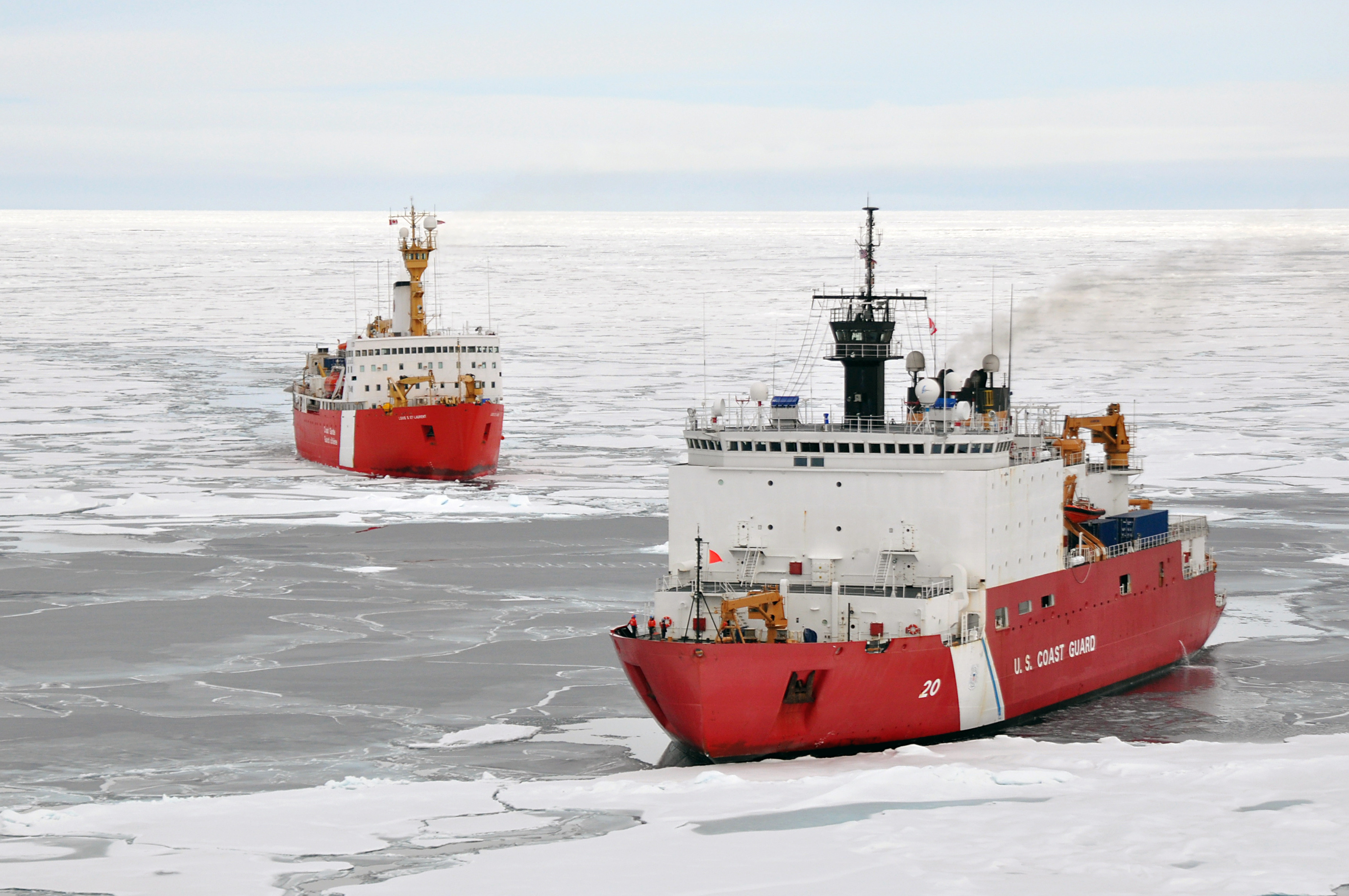
Trump also stated that the US Navy stands ready to begin escorting oil tankers through the Strait of Hormuz if necessary to maintain energy supply flows. The escort option, reminiscent of the 1987-1988 Operation Earnest Will during the Iran-Iraq tanker war, would involve US warships accompanying commercial vessels through the most dangerous portions of the strait. The US Navy's Fifth Fleet, headquartered in Bahrain, maintains a substantial presence in the region including aircraft carriers, destroyers, and patrol vessels capable of providing escort services.
Maritime industry analysts noted that government insurance and naval escorts address two distinct but related problems: the financial inability to insure commercial voyages and the physical security risk of transiting a declared war zone. Both measures would need to be implemented simultaneously to effectively restore commercial traffic through the strait.
Industry Response and Market Impact
Shipping industry groups cautiously welcomed the announcement, noting that government-backed insurance could allow vessel operators to resume voyages that private insurers had made financially impossible. However, industry representatives emphasized that insurance alone does not eliminate the physical risk of Iranian military interdiction and that many vessel operators would require demonstrated security improvements before resuming transit operations.
Oil markets reacted positively to the announcement, with Brent crude retreating slightly from its crisis highs as traders calculated that government intervention might partially restore energy supply flows. VLCC charter rates remained elevated but showed some stabilization as the market assessed the potential impact of government insurance on tanker operations and vessel availability in the coming weeks.
The broader implications of the government insurance program extend to questions about moral hazard and long-term market distortion. If private insurers can rely on government backstops during crises, critics argue, they may be less motivated to develop risk models and coverage products for high-risk maritime corridors, potentially leaving the government as the insurer of last resort for geopolitical maritime risks indefinitely.