When Politics Meets Ports: The Ultimate Game of Telephone
Here's the question nobody wants to ask out loud: does anyone actually know what's happening with US Navy escort operations in the Strait of Hormuz? Because if you're a shipping executive, a tanker owner, or someone trying to actually move oil through that particular bottleneck, you're probably losing sleep over the sheer chaos of mixed messages coming out of Washington this week.
Picture this: it's early March 2026, and the maritime world is on edge. A senior administration official tells shipping industry leaders, in person, that there's "no specific timeline" for Navy escorts through Hormuz. The word used internally? "No chance" of escorts being available. Private. Direct. Unambiguous. The message was crystal clear: don't count on the Navy to shepherd your vessels.
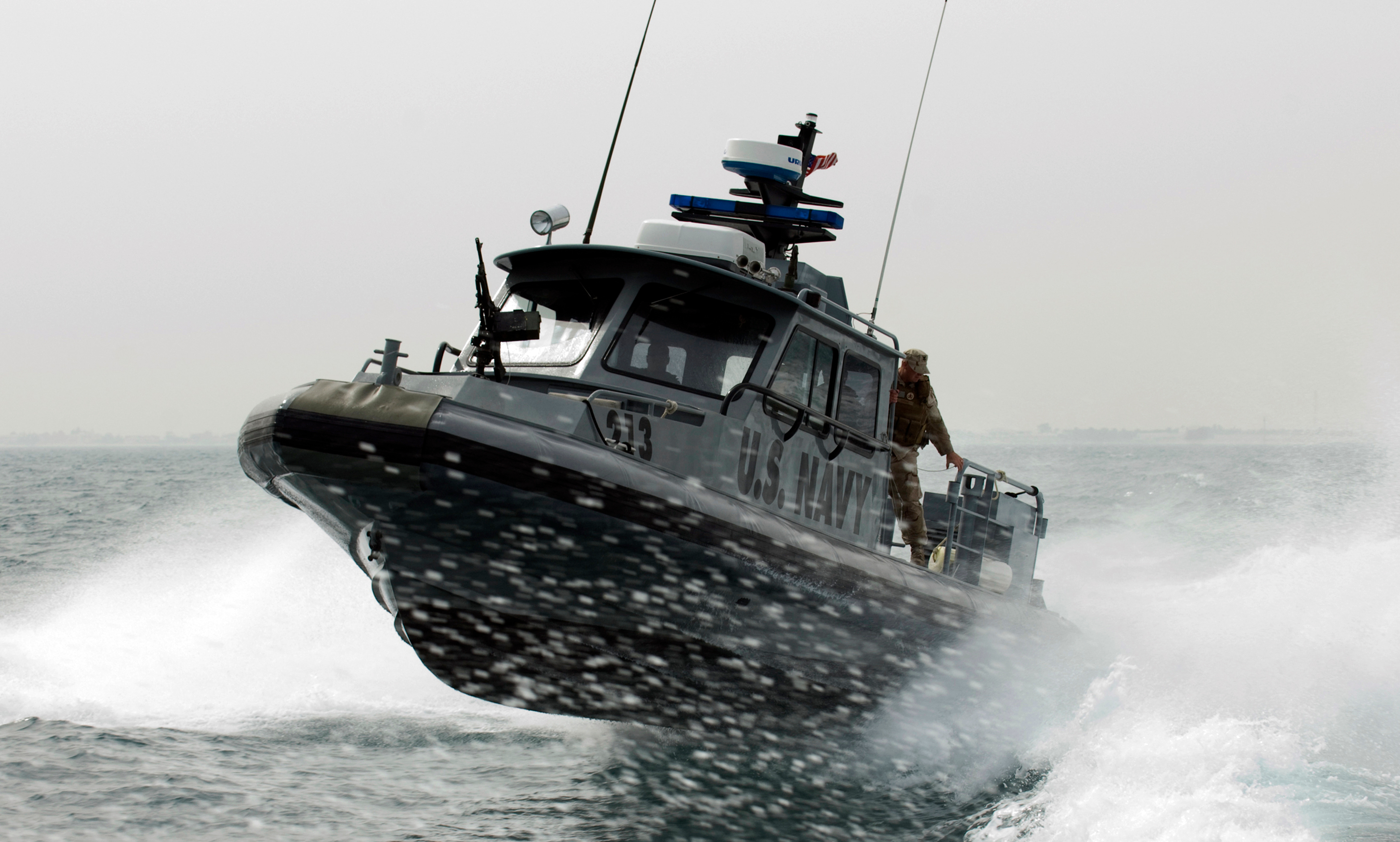
Then something magical happens. Within hours—we're talking less than 24 hours here—Trump himself takes to X (formerly Twitter) and announces that yes, the Navy absolutely will be escorting tankers through Hormuz. Case closed. Escorts are happening. Problem solved. Nothing to worry about, folks.
The $20 Billion Distraction Nobody's Talking About
But here's where it gets spicy. On the exact same day as this Navy escort announcement, the Trump administration rolled out a shiny new $20 billion reinsurance program through the Development Finance Corporation. You notice the timing, right? Big announcement, big money, all designed to stabilize shipping markets and reduce insurance costs. Very convenient. Very... theatrical.
So now we've got shipping executives trying to figure out whether they should trust: (A) what the Navy actually told them in person about zero escorts being available, or (B) what the President just posted on social media about abundant Navy protection. Both can't be true. One of them is definitely a lie. But which one?
This is the kind of whiplash that kills operational planning. Ship owners can't schedule routes based on social media announcements. They need certainty. They need to know whether their insurance rates will spike because the Navy isn't actually going to be there. And that $20 billion DFC reinsurance program? That's basically the administration's way of saying "we know the Navy's not really showing up, so here's taxpayer money to make insurance cheaper instead."
The Real Problem Nobody's Solving
The operational reality on the ground hasn't changed one bit. Shipping companies don't actually believe there will be Navy escorts available. Why? Because they know how the Navy actually works. They understand that announcing escorts and deploying escorts are two very different things. The Navy has real operational constraints, limited destroyer assets, and actual rules of engagement. You can't just wish an escort operation into existence on social media.
And here's the thing that really matters: even if the Navy somehow did materialize and start escorting tankers through Hormuz, ship owners are still extremely reluctant to send vessels through that zone. Insurance premiums have spiked. Crew wages have skyrocketed for any trip through the Strait. The psychological impact of weeks of Hormuz chaos doesn't just disappear because someone tweeted about Navy escorts.
So what's actually happening? Shipping volume through Hormuz remains depressed. Tankers are routing around Africa—yes, the same suez-bottleneck workaround that costs weeks and millions in extra fuel. The market hasn't fundamentally changed. Political theater doesn't alter maritime economics.
The Insider Read
Here's what's really going on, based on conversations with people who actually understand how this stuff works: the administration announced escorts to calm markets and boost confidence. The $20 billion reinsurance program was the real solution they were going for all along. The Navy thing was messaging. It was meant to make it look like Washington was taking action on multiple fronts. Tough on shipping security, generous with financial backing.
But shipping leaders know better. They've been through enough of these cycles to understand the difference between a presidential announcement and actual operational capacity. They're hedging their bets. They're still routing around Africa. They're still paying massive insurance premiums. They're still demanding hazard bonuses for crew members.
The irony? Even with Navy escorts promised and a $20 billion financial backstop, tanker owners aren't rushing to book transits through Hormuz. That tells you everything you need to know about where they actually stand on confidence in these commitments. Political theater might move markets for 24 hours. It doesn't change fundamental operational risk.
Sometimes the best indicator of what people actually believe isn't what they say—it's what they're willing to bet their ships on. And right now, the Hormuz roulette wheel is still spinning with very few takers.