Treasury Department Targets Iranian Petroleum Network
The United States Department of the Treasury has announced sweeping new sanctions targeting more than thirty individuals, entities, and vessels involved in facilitating Iranian petroleum exports and weapons production programs, in what officials describe as the most comprehensive single enforcement action against Iran's sanctions-evading oil trade network since the reimposition of maximum pressure sanctions. The Office of Foreign Assets Control designated twenty-three entities and individuals directly involved in the purchase, transport, and marketing of Iranian crude oil, along with twelve vessels identified as active participants in the illicit petroleum supply chain. The designations effectively freeze any assets held by the targeted parties within United States jurisdiction and prohibit American persons and companies from conducting business with them.
The sanctions package represents a significant escalation of the Treasury Department's campaign to disrupt the financial infrastructure supporting Iranian oil exports, which have continued at substantial volumes despite comprehensive international restrictions. According to OFAC officials, the designated entities collectively facilitated the export of approximately five hundred thousand barrels per day of Iranian crude, primarily to buyers in China, generating billions of dollars in revenue for the Iranian government. The sanctions target every node of the supply chain, from procurement agents and shipping companies to financial intermediaries and front companies used to process payments and obscure the Iranian origin of petroleum cargoes.
Vessel Designations Send Signal to Maritime Industry
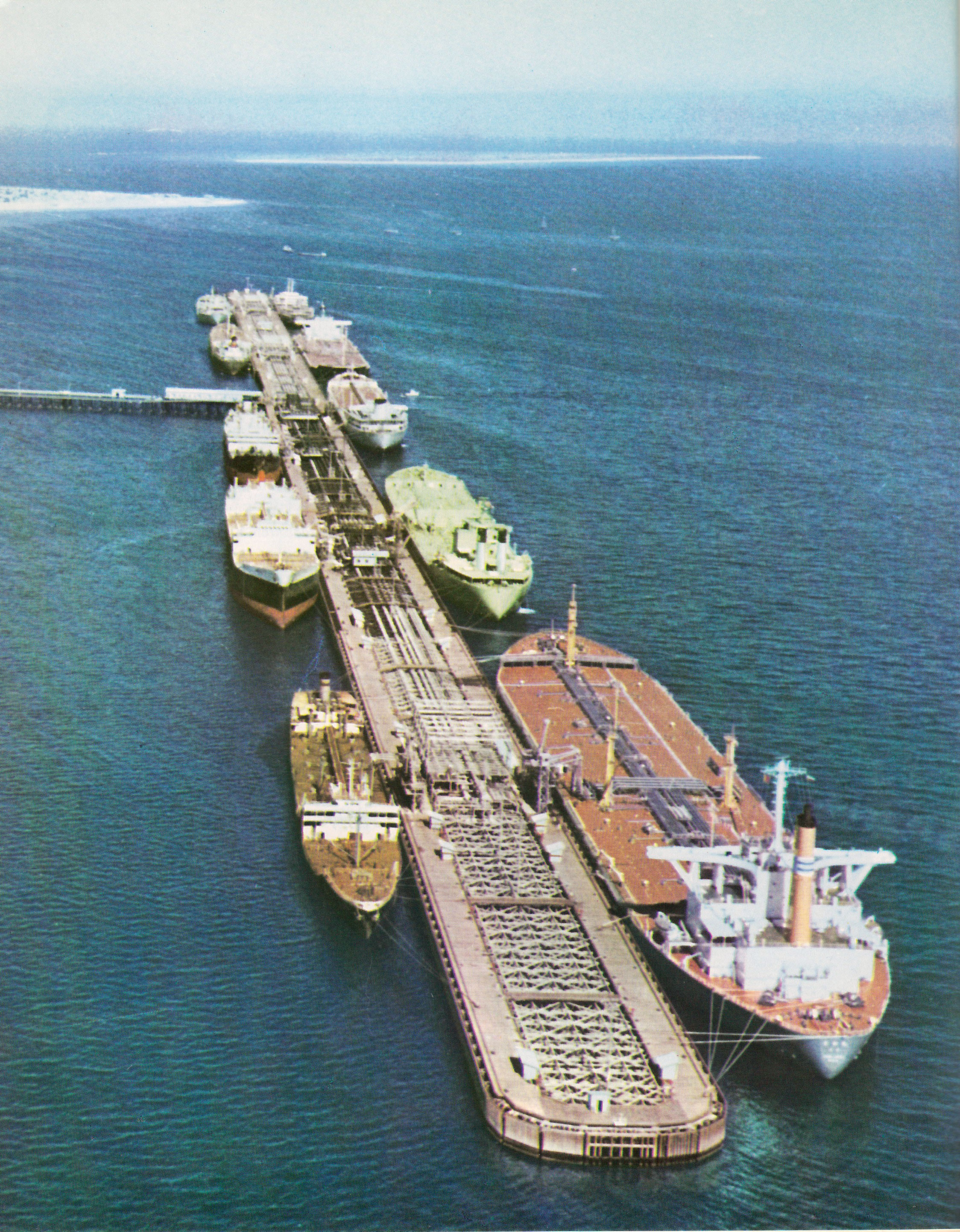
The twelve vessel designations included in the sanctions package are particularly significant for the global maritime industry, as they signal the Treasury Department's willingness to target the physical shipping assets involved in Iranian oil trade rather than focusing solely on the corporate entities that own and operate them. Each designated vessel is now subject to full blocking sanctions, meaning that any port, terminal, or service provider that handles the vessel risks secondary sanctions exposure. The practical effect is to make the designated vessels virtually unemployable in any trade involving access to the US financial system or business relationships with US-connected entities.
Maritime industry sources report that several of the designated vessels had been previously identified by tracking firms as regular participants in ship-to-ship transfers in the waters south of Iran, a common technique used to obscure the loading origin of Iranian crude. The vessels range in size from Handymax tankers to VLCCs and are flagged in a variety of jurisdictions, including Panama, the Marshall Islands, and Cameroon. The diversity of flags and ownership structures reflects the sophisticated evasion tactics employed by Iranian oil traders, who continually rotate vessels and corporate identities to stay ahead of sanctions enforcement efforts.
Financial Intermediaries Targeted
A notable feature of the new sanctions package is its focus on the financial intermediaries that process payments for Iranian oil transactions. OFAC designated several companies based in the UAE, Turkey, and Hong Kong that allegedly served as payment processing nodes for Iranian petroleum revenue, converting crude oil sales proceeds into usable currency through a series of layered transactions designed to obscure the sanctions nexus. These financial intermediaries are critical enablers of the Iranian oil trade, as they provide the financial infrastructure necessary to convert physical oil exports into revenue that can be used to fund government operations and weapons programs.
The targeting of UAE-based financial intermediaries is particularly significant given the UAE's role as a major financial center and hub for international trade. The designations will put pressure on UAE financial institutions and compliance departments to strengthen their due diligence procedures for transactions involving Iranian counterparties, and may prompt the UAE government to take additional domestic enforcement actions to demonstrate its commitment to sanctions compliance. The UAE has historically maintained a complex relationship with Iran, balancing economic ties with its status as a key partner for Western sanctions enforcement efforts.
Maximum Pressure Campaign Intensifies
The sanctions announcement comes in the context of the Trump administration's renewed maximum pressure campaign against Iran, which has been escalating steadily since the beginning of the current presidential term. Administration officials have made clear that reducing Iranian oil exports to zero remains a policy priority, and the new designations represent the latest in a series of increasingly aggressive enforcement actions targeting the various components of Iran's oil export infrastructure. Previous rounds of sanctions had targeted shipping companies, port facilities, and oil trading firms, but the current package is distinguished by its breadth and the simultaneous targeting of multiple nodes in the supply chain.
The timing of the sanctions announcement, coming during the acute Hormuz crisis, carries additional geopolitical weight. While Treasury officials stated that the designations had been in preparation for several weeks prior to the current military escalation, the practical effect of announcing them during a period of active maritime conflict is to further pressure the financial networks supporting Iranian economic activity at a moment of maximum political tension. The sanctions serve both as a direct enforcement tool and as a signal of American determination to impose costs on Iran through economic as well as military channels.
Industry Compliance Challenges
The new designations create immediate compliance challenges for the global shipping and commodities trading industries. Vessel operators, port authorities, and oil traders must now screen their counterparties against an expanded sanctions list, and any inadvertent dealings with designated entities or vessels could expose them to significant legal and financial penalties. Maritime compliance firms report that their screening systems are being updated to incorporate the new designations, but the speed at which OFAC is adding new targets means that maintaining current screening databases has become an increasingly demanding operational requirement.
The challenges are compounded by the fact that sanctioned entities frequently change vessel names, flags, and corporate identities to evade detection, forcing compliance departments to look beyond surface-level identifying information when assessing sanctions risk. Industry groups, including the International Chamber of Shipping and BIMCO, have urged their members to exercise heightened due diligence on all transactions involving petroleum cargo originating from or transiting through the Middle East, and to treat any unusual patterns in vessel behavior, documentation, or payment structures as potential red flags warranting additional investigation.
Global Energy Market Implications
If the new sanctions achieve their stated objective of further reducing Iranian oil exports, the impact on already-tight global energy markets could be significant. Iran currently exports approximately 1.5 million barrels per day, primarily to Chinese refiners, and any material reduction in these flows would tighten global supply at a time when the Hormuz crisis is already constraining access to Persian Gulf production. The sanctions effectively create a two-pronged pressure on Iranian oil revenue, simultaneously targeting the financial infrastructure needed to sell the oil and the shipping infrastructure needed to deliver it, while the military situation at Hormuz threatens the physical transit routes used to move it to market.
Energy analysts caution that the combined effect of military disruptions and intensified sanctions enforcement could push global oil prices substantially higher if the situation persists, with cascading effects on inflation, economic growth, and central bank monetary policy. The interplay between sanctions enforcement and military action creates a uniquely challenging environment for energy market participants attempting to assess supply and demand fundamentals, as the traditional analytical frameworks for evaluating either variable independently provide inadequate guidance when both are operating simultaneously in the same geographic region.


