There's crisis, and then there's opportunity disguised as crisis. The marine insurance industry's response to the Hormuz shutdown has been swift, dramatic, and—if you're feeling cynical—perhaps a bit too well-coordinated. Within 48 hours of the IRGC closure announcement, every major war risk insurer had either cancelled coverage or repriced it into the stratosphere. Coincidence? Or the insurance industry's version of a power play?
The Numbers Are Staggering
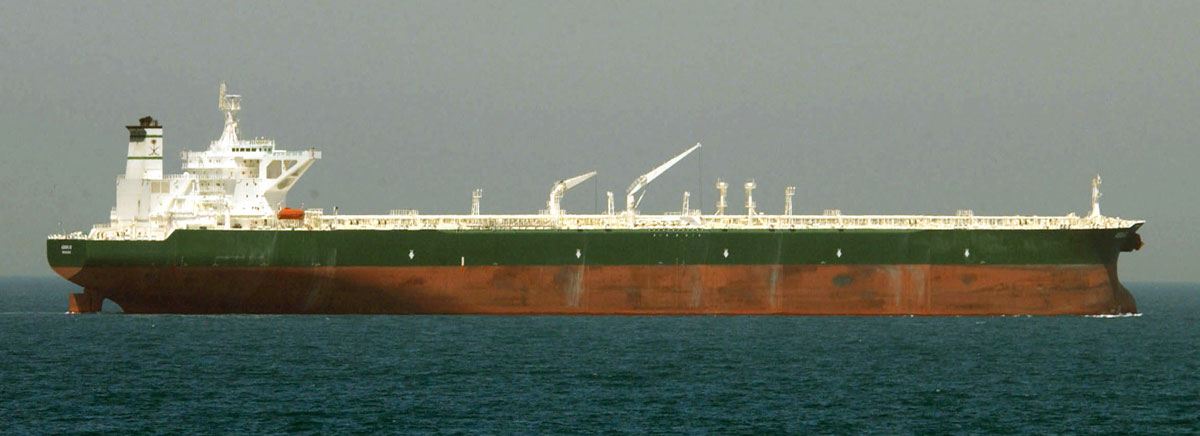
War risk premiums went from 0.2 percent of vessel value to 1.0 percent practically overnight. For a $100 million VLCC, that's a jump from $200,000 annual premiums to $1 million per single voyage. Let that sink in—per voyage. If that tanker makes 12 voyages through the Gulf annually under normal conditions, the insurance cost alone has gone from $200K per year to potentially $12 million. That's not risk pricing. That's repricing the entire maritime insurance business model.
Marcus Baker at Marsh told The Guardian that rates could increase another 50 to 100 percent from current levels. If that happens, we're looking at premiums that would make some trade routes mathematically impossible to operate profitably, regardless of how much cargo owners are willing to pay for freight.
Cancellation vs. Repricing: A Critical Distinction
Here's what's really interesting: insurers aren't just raising prices. They're cancelling coverage entirely. There's a massive difference between saying "we'll cover you at a higher price" and "we won't cover you at any price." The wholesale cancellation removes shipowner choice from the equation entirely and creates the kind of market vacuum that only governments can fill—hence Trump's DFC insurance directive.
Some industry veterans are whispering that the cancellation wave went further than pure risk analysis would justify. The argument: certain segments of the Gulf remain navigable with acceptable risk levels, particularly for vessels in UAE waters well away from the Hormuz bottleneck. But insurers pulled out of the entire region, not just the high-risk transit zones. That's a blunt instrument that looks more like market positioning than surgical risk management.
The Permanent Reset Theory
Here's where the speculation gets interesting. Several senior brokers, speaking off the record, suggest that the insurance industry may use this crisis to permanently reset war risk premium baselines. Before the crisis, Gulf premiums had been declining for years as the Red Sea situation stabilized. Insurers were competing aggressively for marine business, driving margins thin. The Hormuz crisis gives them cover to establish a "new normal" pricing floor that persists long after the immediate crisis resolves.
Think about it: when Hormuz eventually reopens, will premiums return to 0.2 percent? Almost certainly not. The insurance industry will argue that geopolitical risk in the Gulf has been "repriced" based on demonstrated vulnerability. The baseline will settle somewhere significantly above pre-crisis levels, regardless of actual risk reduction. That's billions in additional revenue flowing from shipowners to insurers annually.
Shipowners Are Scrambling
Meanwhile, vessel operators are caught between impossible choices. Operate without insurance and risk catastrophic loss. Pay the new premiums and watch profit margins evaporate. Or park ships and earn nothing while fixed costs accumulate. There are no good options—only degrees of bad. And the insurance industry knows it. That's the real power play here.