Insurance Market Imposes De Facto Commercial Blockade
War risk insurance premiums for vessels transiting the Strait of Hormuz have surged from approximately 0.2 percent to a staggering 1.0 percent of hull value in just 48 hours, a five-fold increase that has rendered commercial transit through the world's most critical oil chokepoint economically impossible for the vast majority of vessel operators. The premium escalation, driven by the confirmed drone attack on the tanker MKD VYOM, the IRGC's explicit closure declaration, and the withdrawal of naval escort guarantees, represents the most dramatic repricing of maritime war risk in modern insurance history.
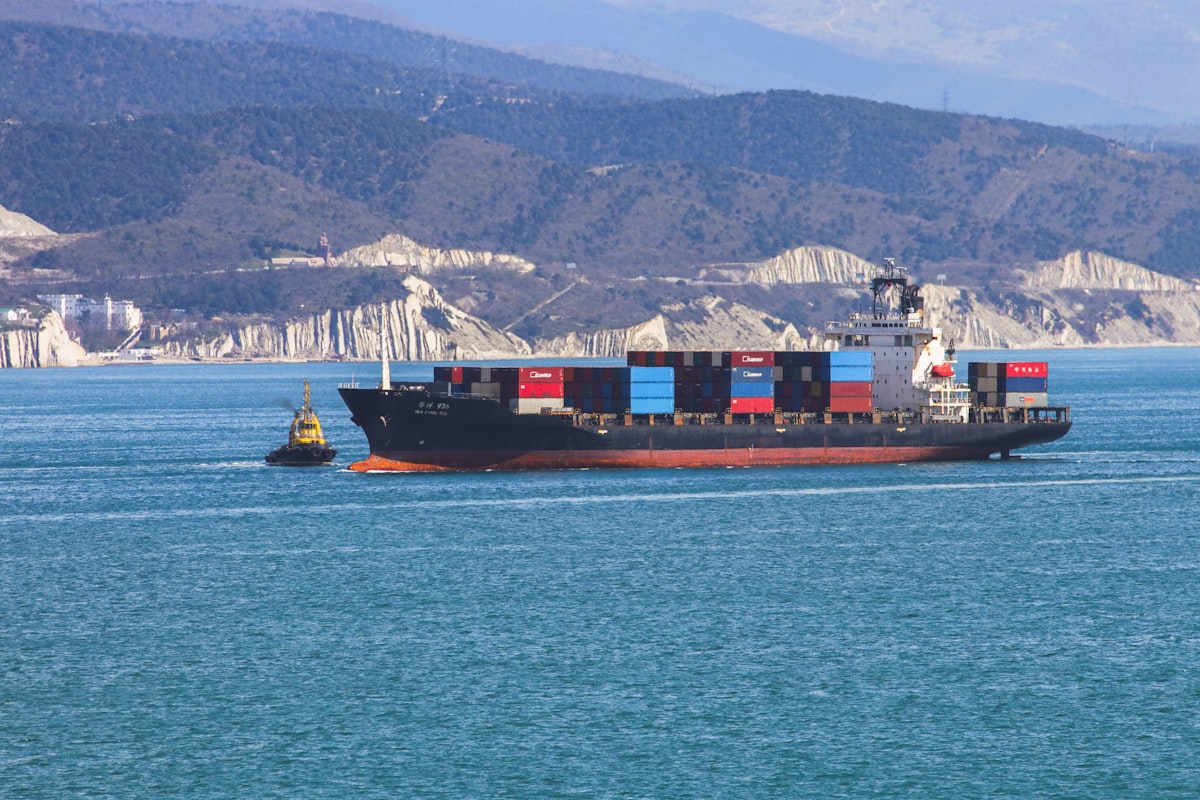
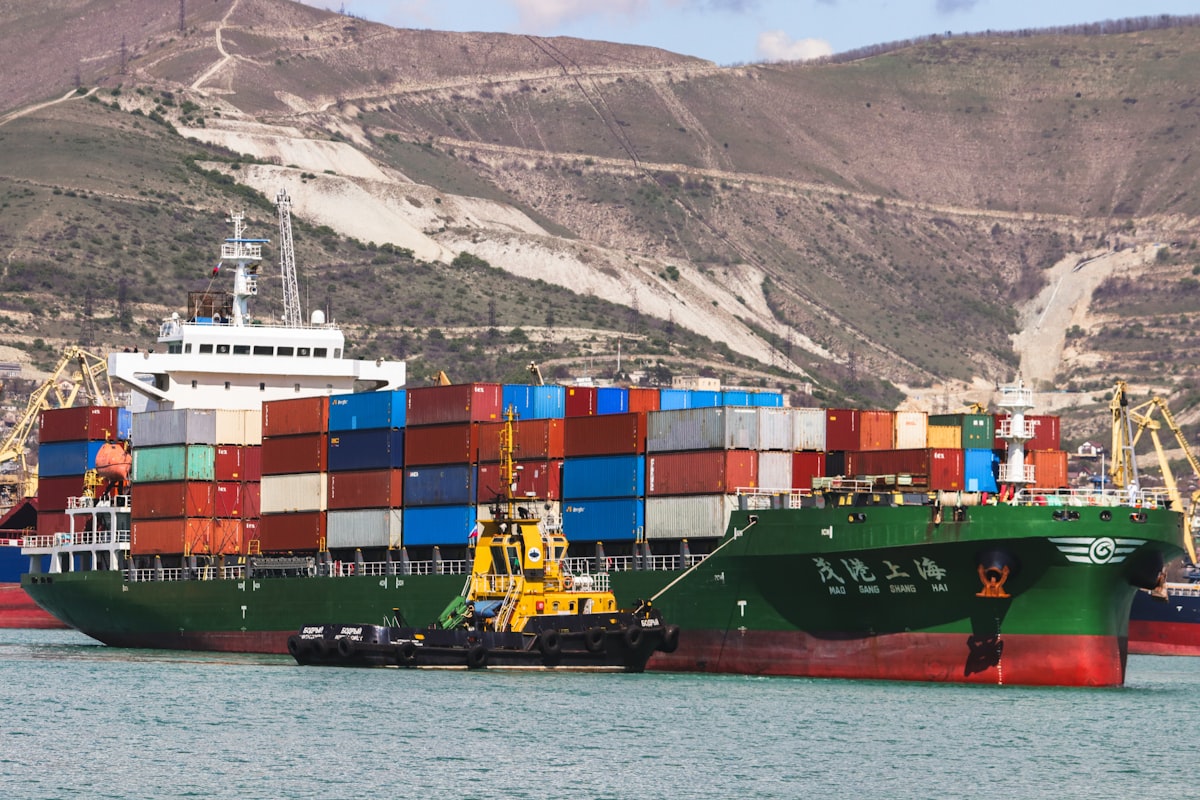
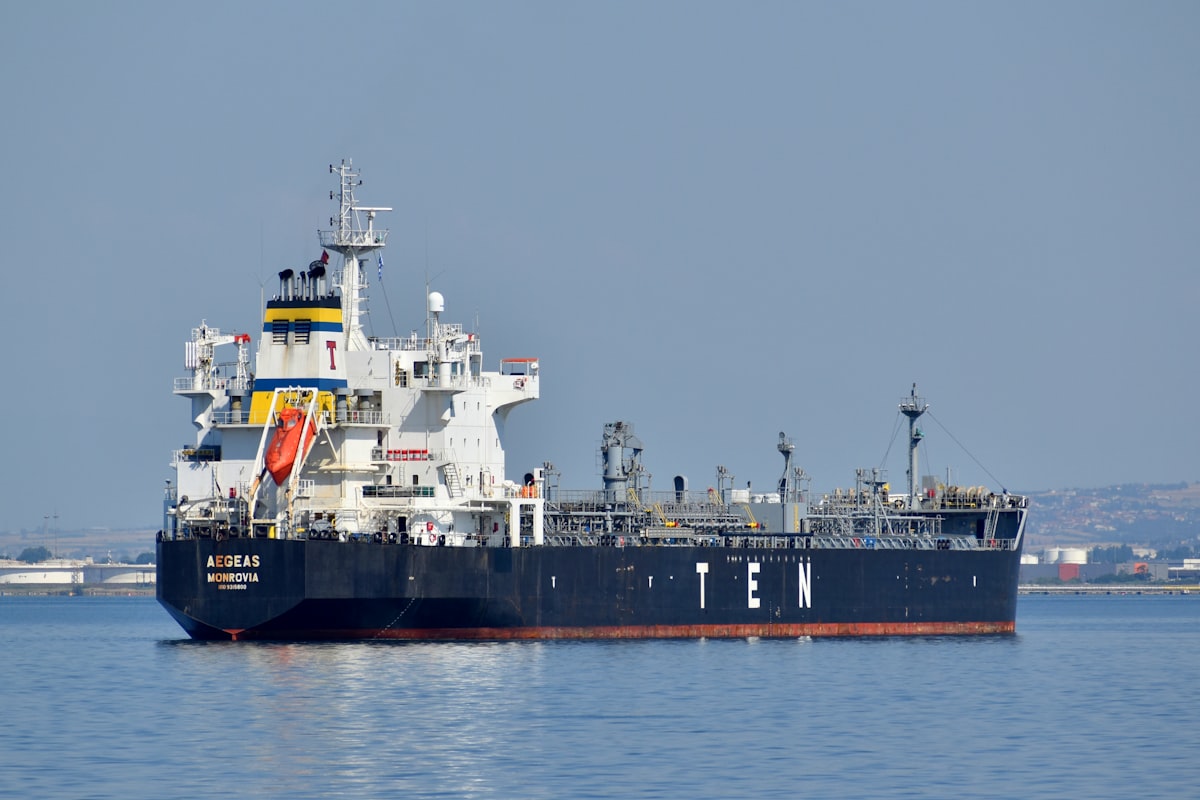
To put the numbers in perspective, a modern Very Large Crude Carrier valued at $100 million now faces a war risk insurance premium of $1 million for a single transit through the Strait of Hormuz—up from $200,000 just days ago. For a Suezmax tanker valued at $75 million, the premium per transit has risen to $750,000. A modern container vessel valued at $150 million faces premiums of $1.5 million per passage. These costs must be borne by the vessel owner or operator for each individual transit, making even a single round-trip voyage through the strait an enormously expensive proposition that cannot be justified by the freight revenue generated.
P&I Clubs Announce Coverage Withdrawal
In an even more consequential development, several major Protection and Indemnity clubs have announced that they will withdraw all coverage for vessels operating within the Strait of Hormuz effective March 5, giving operators just 48 hours to clear the area before their third-party liability coverage lapses. The Norwegian P&I clubs Skuld and Gard, two of the thirteen members of the International Group of P&I Clubs that collectively insure approximately 90 percent of the world's ocean-going tonnage, have issued formal circulars to their members advising that coverage for crew injury, cargo damage, pollution liability, and collision liability will be suspended for any vessel entering the designated exclusion zone.
The withdrawal of P&I coverage has more severe practical consequences than even the war risk premium increase. Without P&I insurance, vessels cannot legally enter most ports worldwide, as port state authorities require proof of financial responsibility for pollution and third-party damages as a condition of entry. A vessel operating without P&I coverage is effectively an outlaw—unable to load or discharge cargo, take on bunker fuel, or access port services anywhere in the world. The P&I withdrawal thus creates a secondary enforcement mechanism that reinforces the economic blockade imposed by war risk pricing.
The Insurance Market's Chain Reaction
The war risk and P&I market moves have triggered a cascade of secondary effects throughout the marine insurance ecosystem. Hull and machinery insurers, who cover the physical damage to the vessel itself, have imposed additional exclusions and premium loadings for vessels with any recent history of trading in the Gulf region. Cargo insurers are reassessing their exposure to goods in transit through or stored within the affected area, with some imposing blanket exclusions for cargo loaded at Gulf ports until the security situation resolves.
Loss of hire insurance, which compensates vessel owners for revenue lost when a vessel is unable to trade due to an insured peril, is facing enormous potential claims from the 150-plus tankers and 170 containerships currently stranded in Gulf waters. Insurers are scrutinizing the precise wording of loss of hire policies to determine whether the current situation qualifies as a covered peril, and several are preparing to invoke war exclusion clauses that limit or eliminate their exposure to losses arising from acts of war or warlike operations.
The reinsurance market, which provides the capital backing for primary insurance and P&I coverage, is equally affected. Munich Re, Swiss Re, and other major reinsurers are reassessing their aggregate exposure to the Hormuz crisis, with some reportedly activating retrocession arrangements that spread the risk further through the global insurance capital chain. The potential losses from a prolonged closure, including vessel damage claims, cargo losses, and business interruption, could run into tens of billions of dollars—a concentration of risk that challenges even the deepest insurance markets.
Historical Precedent and Market Recovery
Maritime insurance historians note that the current premium levels exceed those seen during previous Gulf conflicts, including the Iran-Iraq Tanker War of the 1980s when war risk premiums peaked at approximately 0.75 percent of hull value. The 1.0 percent level represents uncharted territory for the modern marine insurance market and reflects the assessment that the current threat—combining anti-ship missiles, drone boats, naval mines, and explicit state declarations of closure—poses a more severe and immediate risk to commercial vessels than any previous episode.
Insurance brokers report that even if the security situation were to improve dramatically, premium levels are unlikely to return to pre-crisis rates for months or even years. The insurance market has a well-documented "ratchet effect" where crisis-driven premium increases are only partially reversed when the underlying risk diminishes, as underwriters use the repricing opportunity to rebuild margins that had been eroded during softer market conditions. Vessel operators and cargo interests should prepare for a sustained period of elevated insurance costs for Gulf trading, regardless of the near-term geopolitical trajectory.
The insurance market's response has been described by shipping industry leaders as the imposition of a commercial blockade that is more effective than any military action. While navies can escort individual vessels through contested waters and diplomatic efforts can attempt to de-escalate tensions, the insurance market's cold financial calculus has rendered the entire question moot for commercial operators. Without affordable insurance, the Strait of Hormuz is closed to commerce regardless of what happens on the military or diplomatic fronts.