150+ Tankers Stranded in Gulf Waters as Hormuz Passage Remains Blocked
Massive Tanker Fleet Trapped as Crisis Deepens
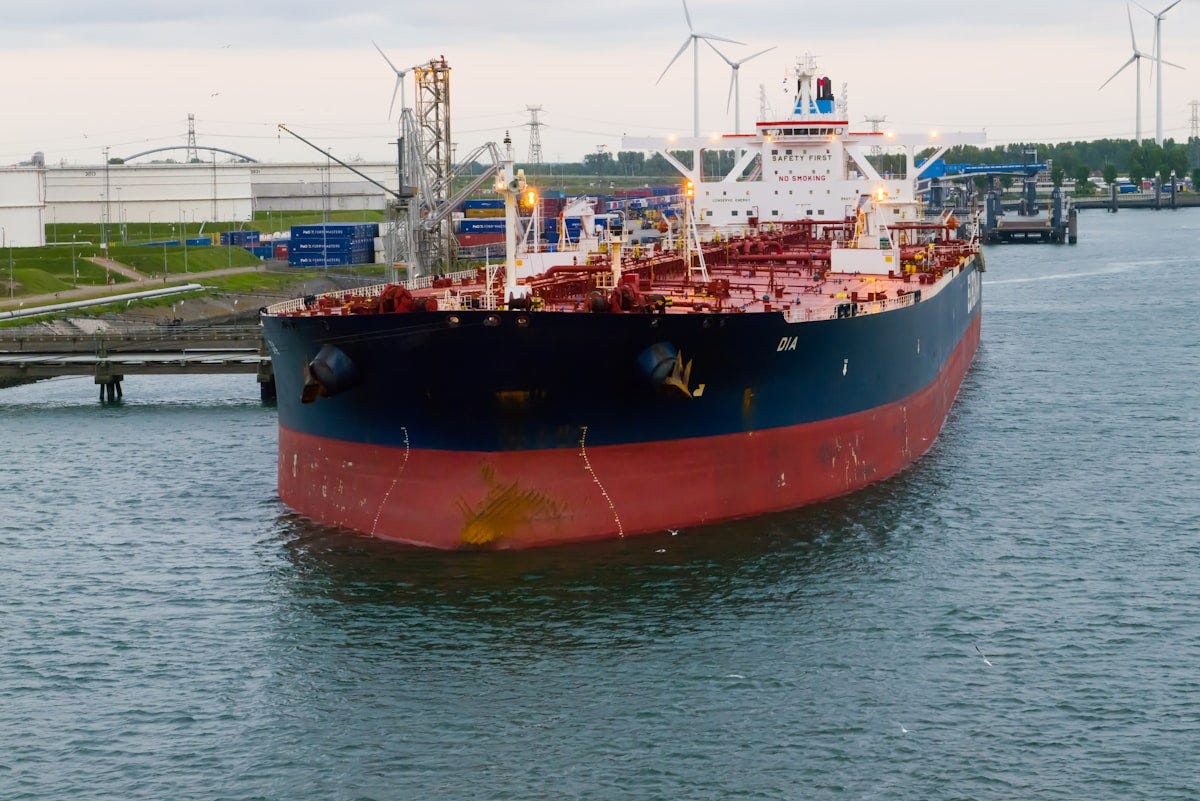
More than 150 oil tankers of various sizes are now stranded in Persian Gulf waters as the Strait of Hormuz remains effectively blocked to commercial shipping on the fourth day of the crisis, creating the largest concentration of idled petroleum vessels since the height of the COVID-19 pandemic demand collapse in 2020. The stranded fleet includes VLCCs, Suezmaxes, Aframaxes, and smaller product tankers collectively carrying an estimated 120 to 150 million barrels of crude oil and refined products—a floating inventory worth approximately $10 to $12 billion at current market prices.
Maritime tracking platforms show the stranded tankers clustered at anchorages throughout the Gulf, with the largest concentrations at Fujairah Roads outside the strait, the Khor Fakkan anchorage off the UAE's east coast, and the deep-water anchorages off Kharg Island, Iran's primary crude oil export terminal. Additional tankers are holding position near Saudi Arabia's Ras Tanura terminal and at various anchorages along the Omani coast. The scene is extraordinary even by the standards of an industry accustomed to logistical challenges—satellite imagery reveals a vast flotilla of vessels stretching across the Gulf, each one loaded with cargo but unable to proceed.
VLCC Fleet Disproportionately Affected
Very Large Crude Carriers, the workhorses of the long-haul crude oil trade with capacities of approximately 2 million barrels each, are disproportionately affected by the closure. An estimated 45 to 50 VLCCs are currently stranded in Gulf waters, representing approximately 7 to 8 percent of the entire global VLCC fleet. These vessels were either loading at Gulf terminals when the crisis escalated or were en route to the strait for outbound transit when the IRGC broadcast its closure warning.
The immobilization of such a significant portion of the VLCC fleet is having immediate effects on the global tanker market. VLCC spot rates on the benchmark AG-East route from the Arabian Gulf to Asia have become essentially meaningless, as no new fixtures can be concluded while the strait remains closed. However, rates for VLCCs operating outside the Gulf—particularly those positioned in West Africa, the Caribbean, and the North Sea—have surged as charterers scramble to secure alternative supply chains.
The Baltic Exchange, which publishes benchmark tanker freight rates, has suspended its daily rate assessments for all Arabian Gulf loading routes until further notice, citing the inability to gather reliable market data in the current environment. This suspension, the first of its kind in the Baltic Exchange's modern history, underscores the unprecedented nature of the disruption to global oil transportation logistics.
Crew Welfare Concerns Mount
The International Maritime Organization and maritime welfare organizations including the Mission to Seafarers and the International Seafarers' Welfare and Assistance Network have raised urgent concerns about the welfare of approximately 5,000 to 6,000 crew members aboard the stranded tanker fleet. Many of these seafarers have been at sea for months already and were expecting to transit the strait and proceed to discharge ports where crew changes were scheduled. The indefinite delay has left them in limbo, unable to leave their vessels and uncertain when they will be able to return home.
Provisioning is emerging as a practical concern for vessels that were not expecting a prolonged stay at anchor. While fuel is obviously abundant on oil tankers, food supplies, fresh water generation capacity, and medical stores were calculated for normal voyage durations. Ship management companies are attempting to arrange resupply via smaller vessels and launches, but the security situation and the congestion at anchorages are complicating these efforts. The psychological toll on crews is also mounting as the crisis drags on with no clear resolution timeline.
Oil Market and Storage Implications
The massive floating inventory trapped in the Gulf is creating distortions in global oil markets that extend beyond the immediate price impact. Oil traders note that the stranded cargoes are effectively removed from the global supply chain, creating a physical shortage that strategic petroleum reserve releases can only partially offset. Moreover, the stranded tankers cannot serve as floating storage in the traditional sense because the oil they carry is committed under existing contracts to specific buyers who now cannot receive delivery.
Onshore storage facilities in the Gulf are rapidly filling as production continues from upstream fields but export loading slows to a trickle. Saudi Aramco, ADNOC, and Kuwait Petroleum Corporation have not yet announced production cuts, but industry sources suggest that if the closure persists beyond one to two weeks, shut-in decisions will become inevitable as onshore tank farms reach capacity limits. The prospect of forced production curtailments in OPEC's core Gulf producers adds another dimension of uncertainty to global oil supply projections.
Shipbrokers and tanker analysts warn that even when the strait eventually reopens, the aftermath will be chaotic. The simultaneous departure of 150-plus tankers through a narrow waterway will require careful traffic management to prevent accidents and groundings. Port congestion at discharge terminals worldwide will spike as the accumulated backlog of cargoes arrives simultaneously, and the tanker market will likely experience extreme volatility as the fleet repositions from its crisis-driven deployment patterns back to normal trading routes.