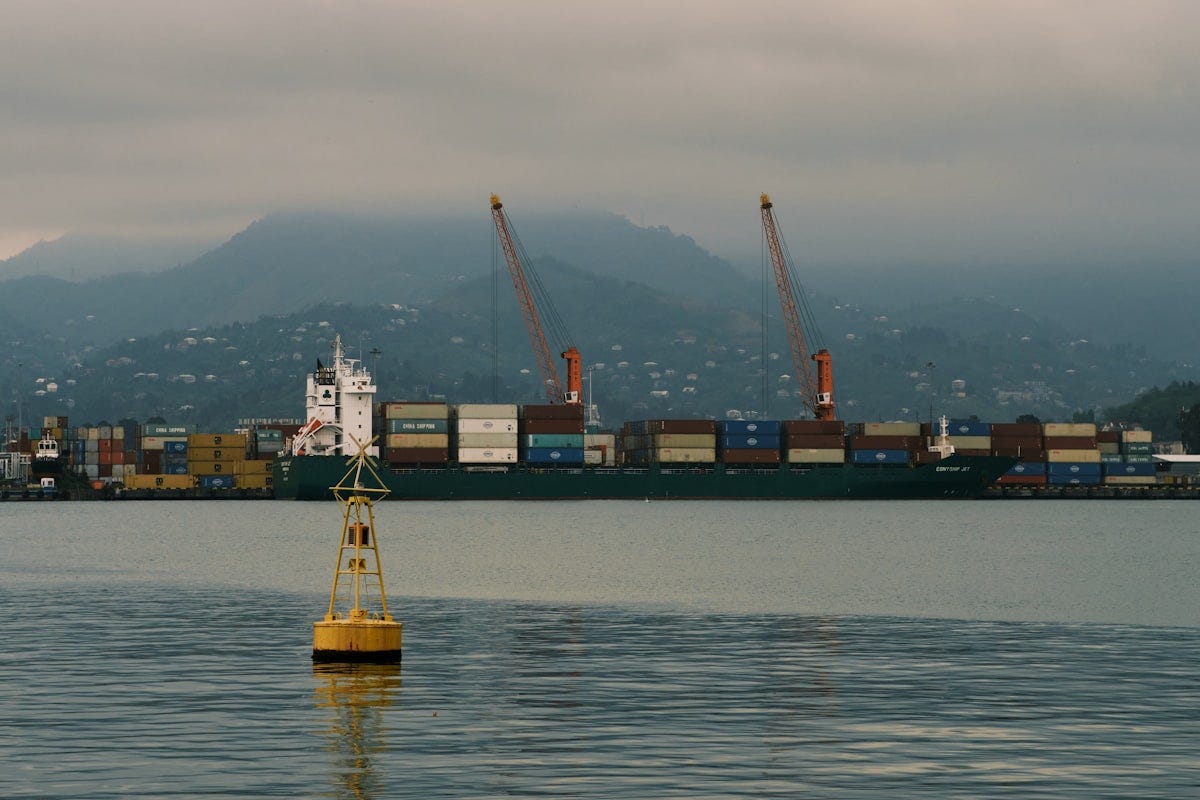
Jebel Ali Port Resumes Operations After Missile Intercept Sparks Dock Fire
Dubai's Flagship Port Reopens After Dramatic Incident
Jebel Ali Port, the largest port in the Middle East and the flagship facility of Dubai's DP World, has resumed limited operations after a ballistic missile interception over the port complex sparked a fire on the main container dock, forcing an emergency shutdown that lasted approximately 18 hours. The incident, which occurred during the early morning hours, sent shockwaves through the regional logistics industry and raised urgent questions about the vulnerability of critical port infrastructure to the escalating conflict around the Strait of Hormuz.
Fragments from the intercepted missile fell onto Terminal 2 of the port, igniting a fire that spread rapidly through a stack of empty containers before port firefighting teams, assisted by Dubai Civil Defense units, brought the blaze under control within approximately two hours. No fatalities were reported, though seven port workers suffered minor injuries from smoke inhalation and were treated at a nearby medical facility. The structural damage to the terminal, while significant, was contained to a relatively small section of the vast port complex.
Interception Details Remain Classified
The UAE's Ministry of Defense confirmed that a ballistic missile was intercepted by the nation's THAAD (Terminal High Altitude Area Defense) battery, one of the most advanced anti-ballistic missile systems in the world, acquired from the United States in a landmark 2011 deal valued at approximately $3.5 billion. The ministry stated that the interception was successful but acknowledged that debris from the destroyed warhead caused the dock fire—an outcome that highlights the inherent limitations of missile defense systems even when they perform as designed.
Military analysts note that the UAE's air defense network, which includes THAAD, Patriot PAC-3 batteries, and the Russian-origin Pantsir-S1 system, is among the most sophisticated in the Middle East. However, the incident demonstrates that even successful interceptions can cause collateral damage, particularly when missile defense engagements occur directly over critical infrastructure. The proximity of Jebel Ali to the Gulf coastline gives defending systems minimal reaction time against sea-launched or short-range ballistic missiles fired from across the Gulf.
Neither Iran nor any affiliated group has claimed responsibility for the missile launch. However, intelligence sources point to the trajectory and characteristics of the intercepted weapon as consistent with Iranian-manufactured short-range ballistic missiles known to be in the arsenal of both the IRGC and several Iranian-backed militia groups operating in the region. The lack of official attribution adds to the ambiguity and tension surrounding the broader conflict.
DP World Activates Business Continuity Plans
DP World, the Dubai-based global port operator that manages Jebel Ali and dozens of other marine terminals worldwide, activated its emergency business continuity plan within minutes of the incident. The company diverted vessel traffic to undamaged terminals within the Jebel Ali complex and began damage assessment procedures at the affected Terminal 2. DP World's CEO Sultan Ahmed bin Sulayem issued a statement assuring customers that the port's critical functions had been restored and that the company was working to minimize disruption to cargo operations.
Despite the official resumption of operations, practical constraints are limiting throughput. Several berths at Terminal 2 remain closed for damage assessment and repair, reducing the port's overall capacity by an estimated 15 to 20 percent. Vessel scheduling has been disrupted, with several ships diverted to alternative berths or asked to wait at anchorage. Trucking operations, which were suspended entirely during the shutdown, have resumed but face delays as security screening procedures at port gates have been significantly enhanced.
The incident has also prompted a reassessment of safety protocols for port workers. The Dubai Ports Authority has mandated that all port facilities within the emirate conduct emergency evacuation drills within the next 48 hours and update their emergency response plans to account for the possibility of further missile attacks. Workers at Jebel Ali report heightened anxiety, with some requesting reassignment to DP World facilities outside the Gulf region.
Insurance and Economic Implications
The missile incident at Jebel Ali has significant implications for the insurance coverage of port infrastructure and cargo stored at Gulf facilities. Property insurers covering port infrastructure are reassessing their exposure to war risk perils, with several underwriters reportedly seeking to impose exclusions or dramatically increase premiums for coverage of Gulf port facilities. Cargo stored at Jebel Ali and other Gulf ports may face coverage gaps if insurers classify the region as an active conflict zone.
The economic impact extends beyond the immediate logistics disruption. Jebel Ali Port serves as the primary import gateway for the UAE's $400 billion economy and handles transshipment cargo for markets across the Middle East, East Africa, and the Indian subcontinent. Any sustained reduction in port capacity would have cascading effects across these economies, affecting everything from construction material supplies to consumer goods availability. Dubai's position as a global logistics hub, carefully cultivated over decades of investment, faces its most serious test as the Hormuz crisis continues to escalate.