


⚓ Gosships Intelligence
Gosships Intelligence Is Published At Gosships.com
For Sponsorship And Partnership Inquiries Contact intelligence@gosships.com
|⚓ About Us | 🛢️ Exclusive Report | 📋 SwiftAction Training |
🏅Black Gold Executive (*53 Slots Left)
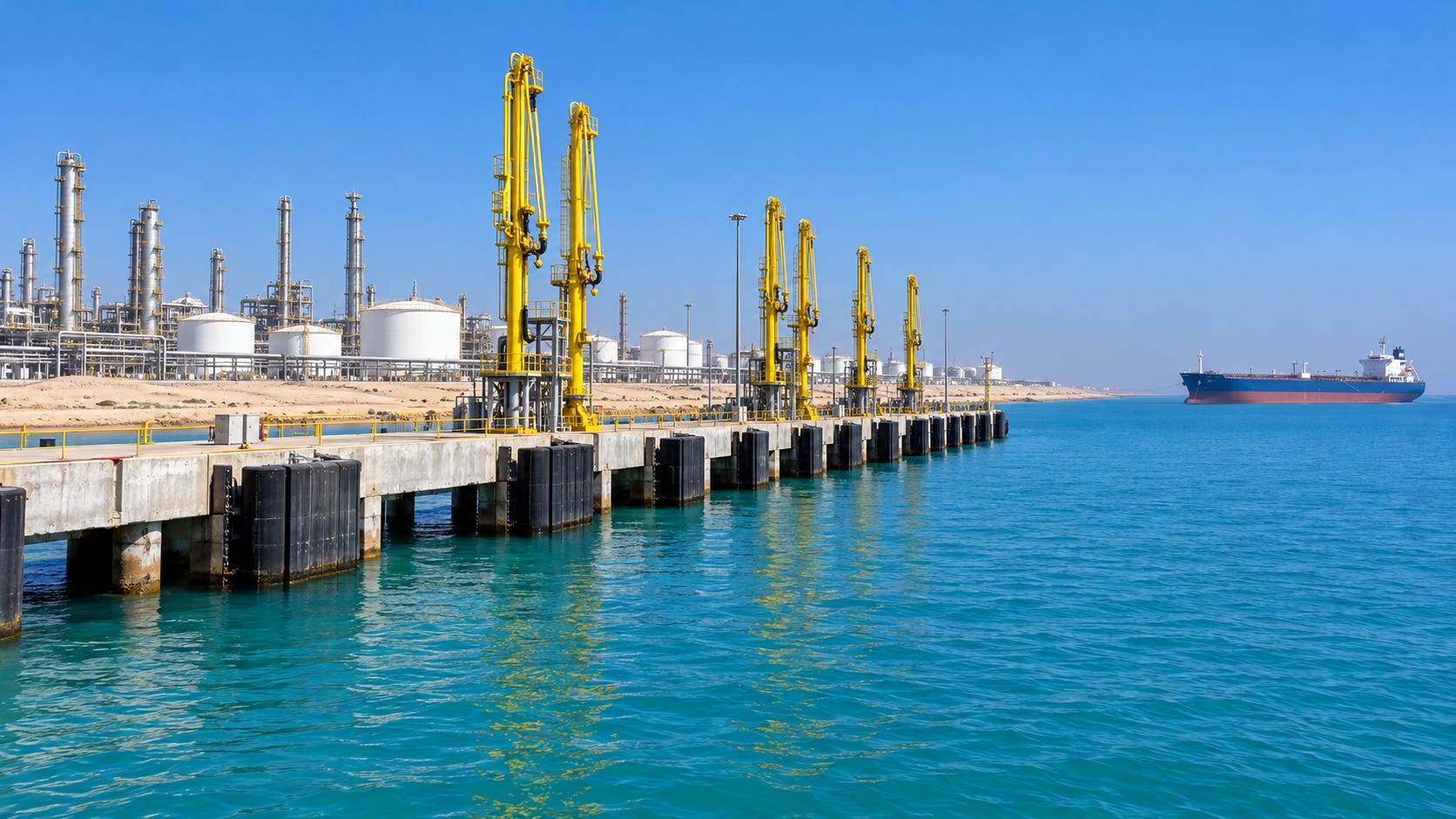
Kuwait’s oil chief says the country could be refining far more fuel than it is. What is missing, he says, is ships prepared to haul it away. Sheikh Nawaf Saud Al-Sabah, who heads state-owned Kuwait Petroleum Corporation (KPC) as Chief Executive Officer, told an energy forum hosted by Dow Jones in New York on October 21 that Kuwait had idled about 600,000 barrels a day of refining because too few tankers were willing to take the output, The Daily Upside and Al-Rai reported. On our arithmetic, that is about 42 percent of the 1.415 million barrels a day its three refineries can process. Kuwait has no pipeline around the Strait of Hormuz, so its oil must leave by sea, and KPC has been shuttling it out on its own ships. Those ships keep getting hit. Gosships could confirm six vessels of KPC’s shipping arm, Kuwait Oil Tanker Company, or KOTC, struck since March, the latest the product tanker Al Dasma on October 21. KOTC is buying anyway. Xclusiv Shipbrokers reported on October 26 that KOTC had acquired Kastos, a coated LR2 built in 2025, for $120 million, the figure Banchero Costa and Advanced Shipping & Trading also gave, while Lion Shipbrokers put it at $125 million. Xclusiv, which lists Kastos among Aframaxes, puts the price of ordering a new Aframax at $78 million, but VesselsValue says yard slots for new crude tankers now run into 2029 and 2030. That is the boring explanation, and it holds: Lion and VesselsValue both say a ship that can trade today commands a premium, and Kastos cost about 20 percent more than Xclusiv’s value for a resale, a ship just delivered or about to be. The less noticed part is the type of ship. LR2s are the biggest tankers regularly used to move refined fuel on long voyages, the International Energy Agency says, and strong crude earnings have drawn some owners to switch them into crude. Clarksons puts the share of the LR2 fleet now in dirty trades at two-thirds. On our reading, Kuwait is short of ships willing to carry its fuel, and it is paying to own one. This brief sets out what brokers say Kuwait bought, why so much of its refining is idle, what its ships have been through, what the price says, what changed this week and what the record supports.
📋 In This Issue:
🛢️ The Story:
What brokers say Kuwait bought, why so much of its refining is idle, what its ships have been through, what the price says, what changed this week and what the record supports
📊 By The Numbers:
About 600,000 barrels a day of refining idle, about 42 percent of Kuwait’s capacity, a reported $120 million for a 2025-built LR2 against $78 million to order a new Aframax, at least six KOTC ships hit since March, two-thirds of the LR2 fleet in dirty trades and KD 5.38 million of emergency contracts for KOTC
🌍 Why It Matters:
What it changes for the tanker owner and broker, the charterer and product trader, the underwriter and compliance officer and the ship financier and investor
👀 What To Watch:
Iran’s November 1 move against Sinokor, the November 3 midterms, the idled refining capacity, KOTC’s next purchase, the repair yard, the pipelines and the falsifier that would change this brief’s reading
🚨 Gosships Signal:
On our reading, for a state with no pipeline around Hormuz, the tanker it owns is the one it can count on


