


⚓ Gosships Intelligence
Gosships Intelligence Is Published At Gosships.com
For Sponsorship And Partnership Inquiries Contact intelligence@gosships.com
|⚓ About Us | 🛢️ Exclusive Report | 📋 SwiftAction Training |
🏅Black Gold Membership (*53 Slots Left)
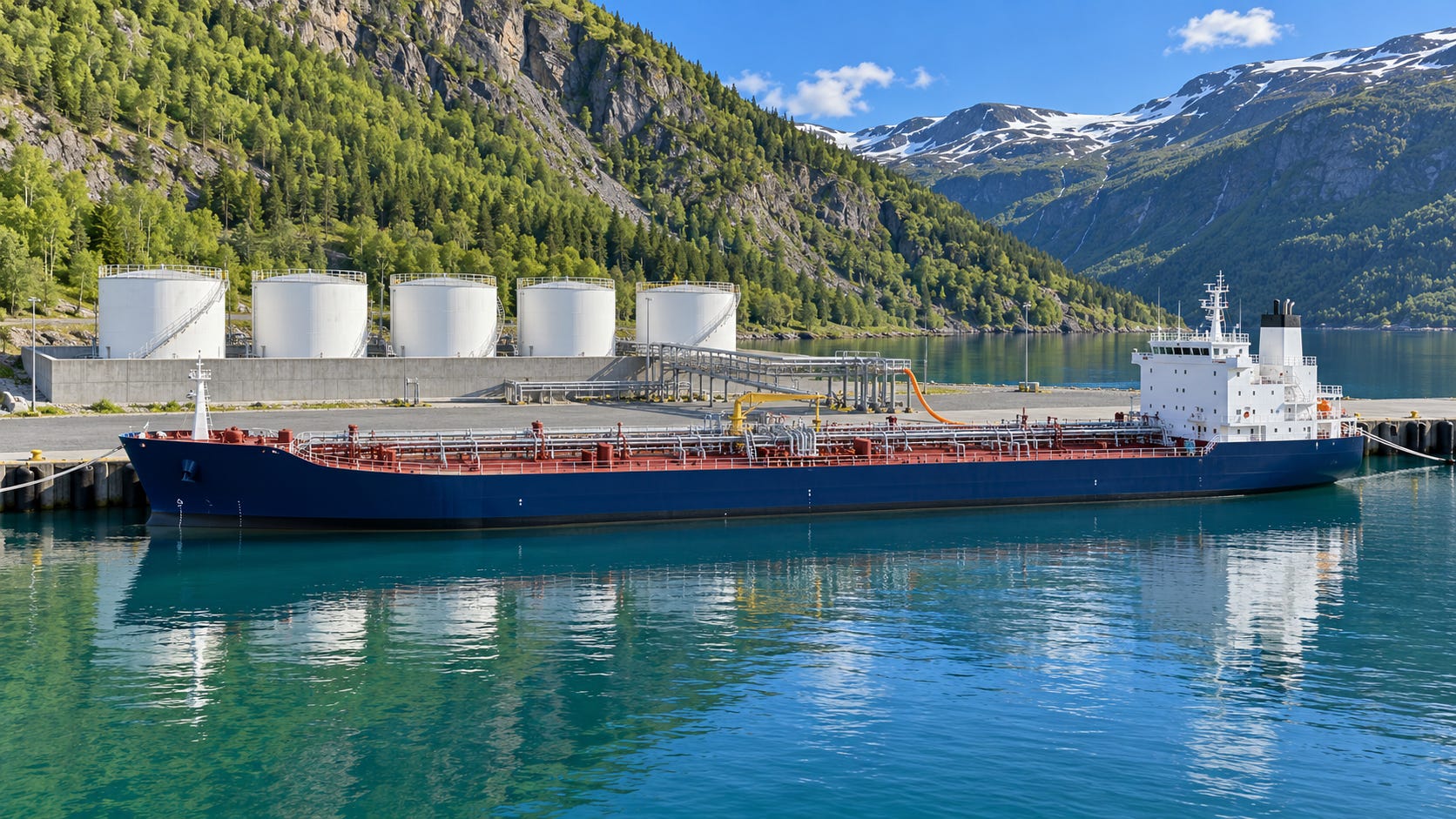
Norway exported about 1.5 million barrels of crude oil a day in 2025, according to Norskpetroleum, the government’s petroleum portal, yet it requires emergency fuel stocks equal to only 20 days of domestic consumption. Sweden and Finland, which fall under international stock rules that exempt Norway, require 90. Norway has one refinery, Mongstad, and depends on imported diesel and jet fuel, a study by the defense research institute FFI found in March. Every level now on the table would at least double that 20-day floor. On May 26 parliament asked the government, by 88 votes to five, to set out 61-day and 90-day options with the 2027 budget, which it presents on Wednesday, October 7. A separate proposal asking for a plan, by October, for capacity of up to 90 days failed by two votes. In August, consultants commissioned by the government recommended 61 days over the long run, with about 45 held in Norway and the rest stored abroad. Labor members of parliament’s energy and environment committee put the cost of buying 70 days of fuel, the distance from today’s floor to 90 days, at about NOK 7 billion, or about $731 million. On this brief’s arithmetic, each extra day of gasoline, auto diesel and jet fuel is about 14.4 million liters, and 70 extra days would be about one billion liters, or 6.4 million barrels, to buy, carry and store.
📋 In This Issue:
⚖️ The Story:
The 20-day floor, why the 90-day rules never applied to Norway, one refinery and imported diesel, how parliament got to 61 and 90 days, what the consultants recommended, what 70 days means in liters, the refinery idea in the north, the case against this brief and what the record supports
📊 By The Numbers:
The 20 and 90 days, the crude exports, the daily liters, the May votes, the 45-day and 61-day recommendation, the NOK 7 billion estimate and the barrels behind each option
🌍 Why It Matters:
What it changes for the product tanker broker, the fuel importer and trader, the terminal owner and the storage operator in a neighboring country
👀 What To Watch:
The October 7 budget, the proposals on diesel and jet fuel production, the requested talks with Nordic neighbors and the UK, the refinery proposal, the budget vote, the monthly fuel data and the falsifier that would change this brief’s numbers
🚨 Gosships Signal:
What the 45-day, 61-day and 90-day levels would each mean in barrels, and who would pay for them


