


⚓ Gosships Intelligence
Gosships Intelligence Is Published At Gosships.com
For Sponsorship And Partnership Inquiries Contact intelligence@gosships.com
|⚓ About Us | 🛢️ Exclusive Report | 📋 SwiftAction Training |
🏅Black Gold Executive (*53 Slots Left)
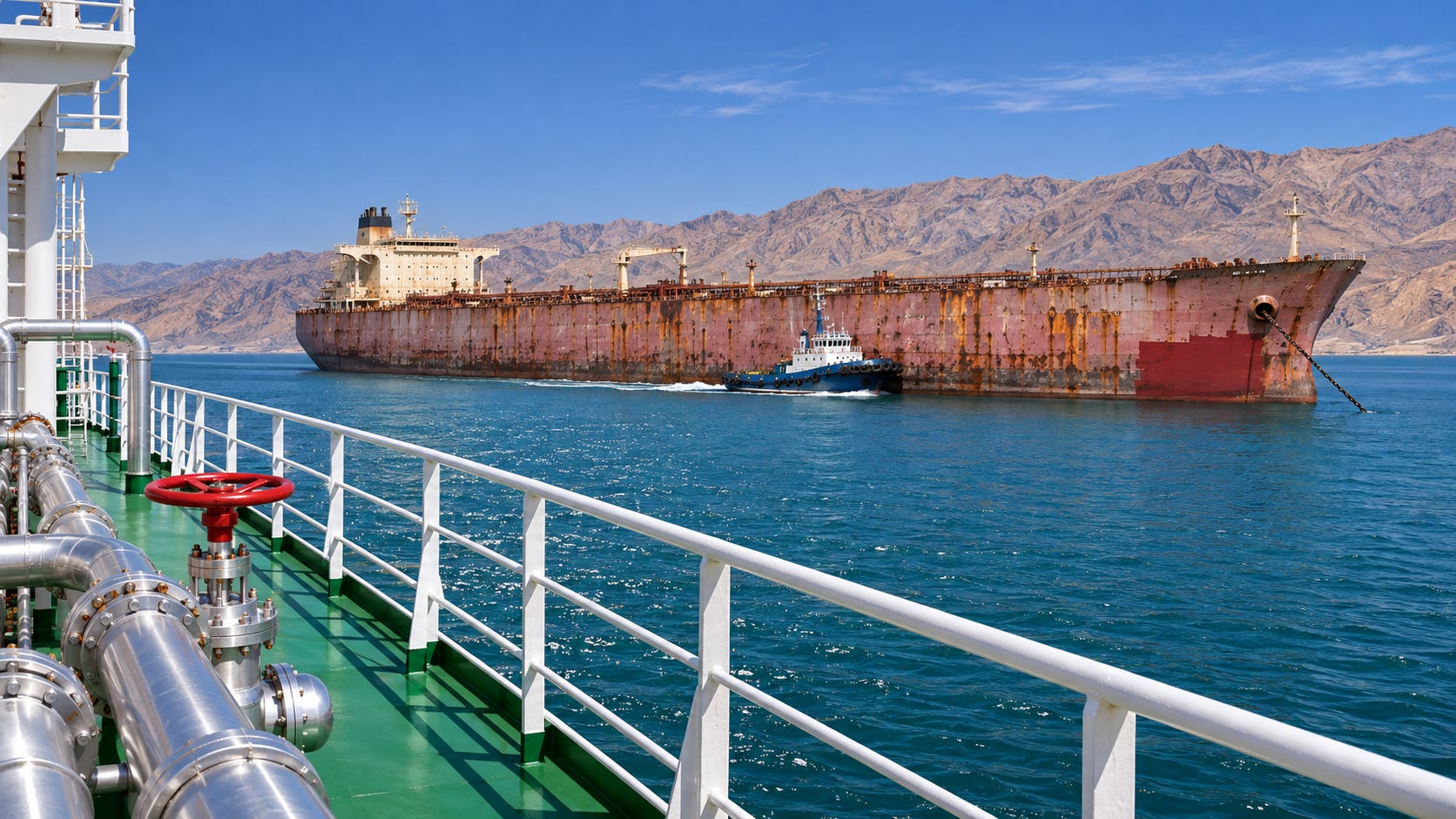
On November 12, an analyst on Okeanis Eco Tankers’ third-quarter call asked its CEO, Aristidis Alafouzos, about the Trump administration’s push to return some sanctioned vessels to regular trade. Alafouzos said he had heard rumors and read articles that Vitol, Trafigura and Mercuria were seeking more vessels for the Hormuz shuttle trade, and that he could not see how unsanctioning sanctioned tankers was “reasonable or practical in my mind.” His company had just reported third-quarter profit of $299.6 million, against $24.1 million a year earlier, and had booked 48 percent of the VLCC spot days in its fourth quarter at an average of $688,800 a day. Bloomberg reported on November 6 that Vitol, Trafigura, Mercuria and the Abu Dhabi National Oil Company were among at least four companies discussing licenses with US officials to buy or lease some of about 50 sanctioned vessels, and a US official told Platts this month that the Treasury could weigh such proposals one by one. The CEOs of Teekay Tankers and TORM have also played down the likely effect. Gibson counts 120 of 163 VLCCs on the US sanctions list at 20 years or older, and Kpler puts the sanctioned VLCCs able to rejoin global trade at about 24. Yet 41 crude tankers from the shadow fleet had moved into compliant trade this year by October 20, Platts reported. On our reading, the owners who would face more competition and the analysts who count the vessels point the same way, and the test is what the Treasury licenses. This brief sets out what Alafouzos said, what Okeanis earns, what Washington is weighing, what other owners and analysts say, where rates stand and the plain explanation.
📋 In This Issue:
🛢️ The Story:
What Alafouzos said on the call and before the questions, what Okeanis earns, what Washington is weighing, what other owners and analysts say, where rates stand and the plain explanation
📊 By The Numbers:
$299.6 million in quarterly profit, $688,800 a day on booked VLCC days, a fleet averaging 5.6 years, 70 percent of US-sanctioned tankers at 20 years or older, about 50 vessels in the license talks and 41 shadow-fleet crude tankers that moved into compliant trade this year
🌍 Why It Matters:
What it changes for the tanker owner and broker, the charterer and trader, the compliance officer and the underwriter
👀 What To Watch:
The Treasury’s license decisions, rates from here, Frontline’s results, the UK and EU stance and the falsifier
🚨 Gosships Signal:
On our reading, the doubt and the interest point the same way, so the test is what the Treasury licenses and who charters it


