


⚓ Gosships Intelligence
Gosships Intelligence Is Published At Gosships.com
For Sponsorship And Partnership Inquiries Contact intelligence@gosships.com
|⚓ About Us | 🛢️ Exclusive Report | 📋 SwiftAction Training |
🏅Black Gold Executive (*53 Slots Left)
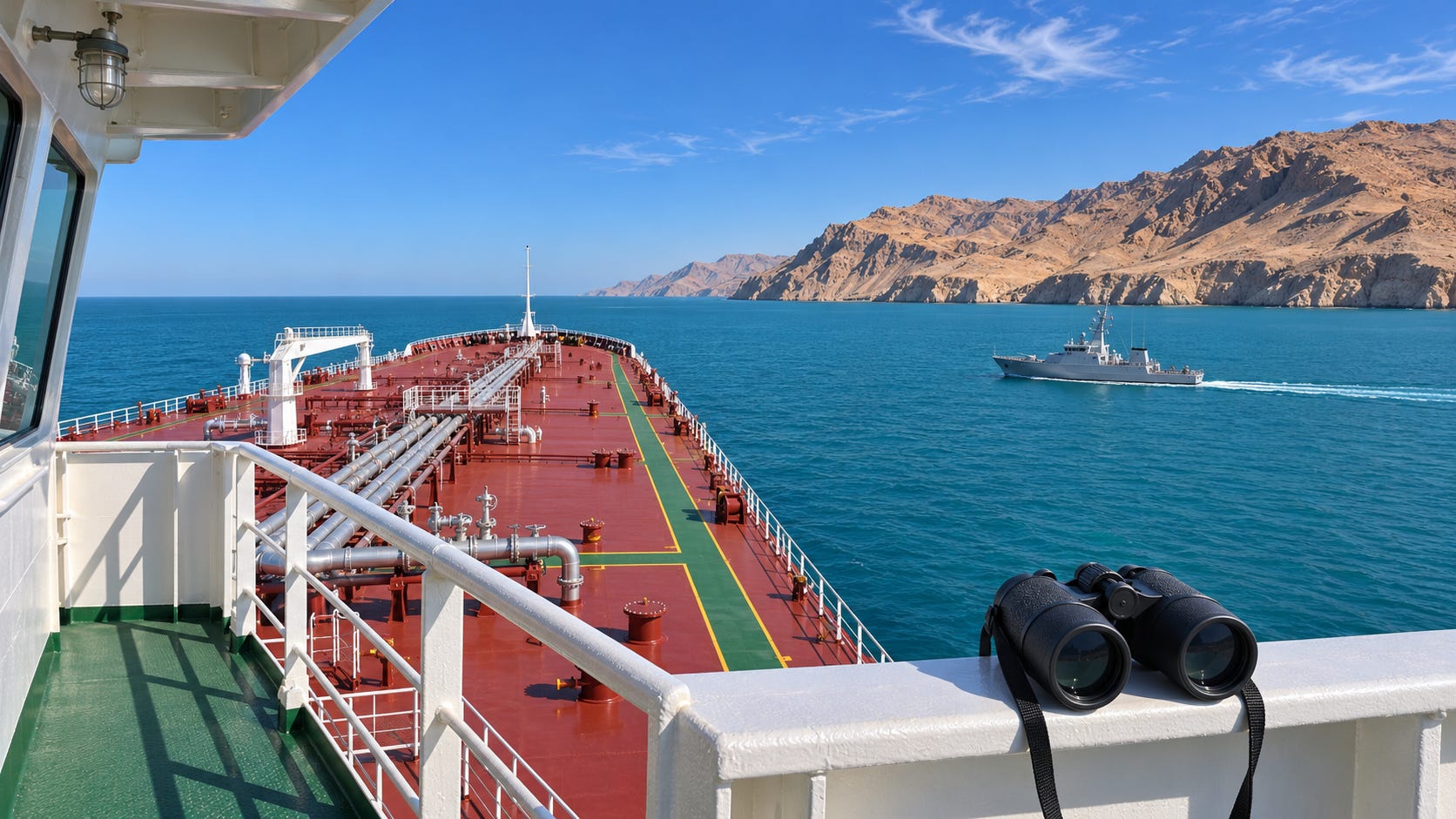
On Monday, Iran’s Persian Gulf Strait Authority put out a list of 240 vessels it accuses of breaching its rules on Hormuz transits, 114 more than the version before it, The Maritime Executive reported, and Seatrade also put the total at 240. Among the fleets on it is that of Bahri, the National Shipping Company of Saudi Arabia, which Reuters had already identified among the owners of vessels on the 45-vessel list the authority posted on August 23. Iran says listed vessels face fines, detention or confiscation. Bahri has kept trading. Bloomberg’s analysis of tracking data counted Bahri, Kuwait Oil Tanker Company and ADNOC’s shipping arm moving 97.3 million barrels through Hormuz between them in September, and S&P Global Commodities at Sea assessed Bahri VLCCs as crossing the strait in both directions from October 30 to November 1, the eve of the new list. On October 28 Bahri reported net profit of SAR 9.98 billion for the nine months to the end of September, nearly seven times the SAR 1.45 billion of a year earlier and about $2.66 billion at the riyal’s dollar peg on our tally. Its release credits its oil unit’s third-quarter surge to higher VLCC rates, brought on mainly by regional shipping disruption and “heightened maritime security risks constraining vessel availability,” with a significant rise in chartered-in business adding to revenue. On our reading, Iran has so far written Bahri’s vessels into its list without being seen to enforce it against them: we found no report of a fine, detention or seizure of a Bahri vessel, and no statement from Bahri about the list. Bahri has disclosed that four of its owned vessels were affected by conflict-related incidents in the first nine months, amid disruption on its Arabian Gulf and Red Sea routes, with two of its seafarers killed. This brief sets out how the list grew, where Bahri sits on it, what Bahri made, how its tankers keep crossing, what the list threatens and what the record supports.
📋 In This Issue:
🛢️ The Story:
How the list grew, where Bahri sits on it, what Bahri made, how its tankers keep crossing, what the list threatens and what the record supports
📊 By The Numbers:
240 vessels listed on November 2 against 45 in August, SAR 9.98 billion of nine-month profit, 49 owned VLCCs, 97.3 million barrels carried through Hormuz in September by Bahri, Kuwait Oil Tanker Company and ADNOC’s shipping arm together on Bloomberg’s count, four owned vessels affected in the first nine months and 18 attacks confirmed in Hormuz from October 6 to the end of October
🌍 Why It Matters:
What it changes for the tanker owner and broker, the charterer and cargo owner, the underwriter and compliance officer and the ship financier and investor
👀 What To Watch:
The next list, the first penalty, Sinokor’s November, Doha, Bahri’s next quarter and the falsifier that would change this brief’s reading
🚨 Gosships Signal:
On our reading, Iran has written Bahri’s vessels into its list but has not been seen to enforce it against them


