


⚓ Gosships Intelligence
Gosships Intelligence Is Published At Gosships.com
For Sponsorship And Partnership Inquiries Contact intelligence@gosships.com
|⚓ About Us | 🛢️ Exclusive Report | 📋 SwiftAction Training |
🏅Gold Executive Membership (*53 Slots Left)
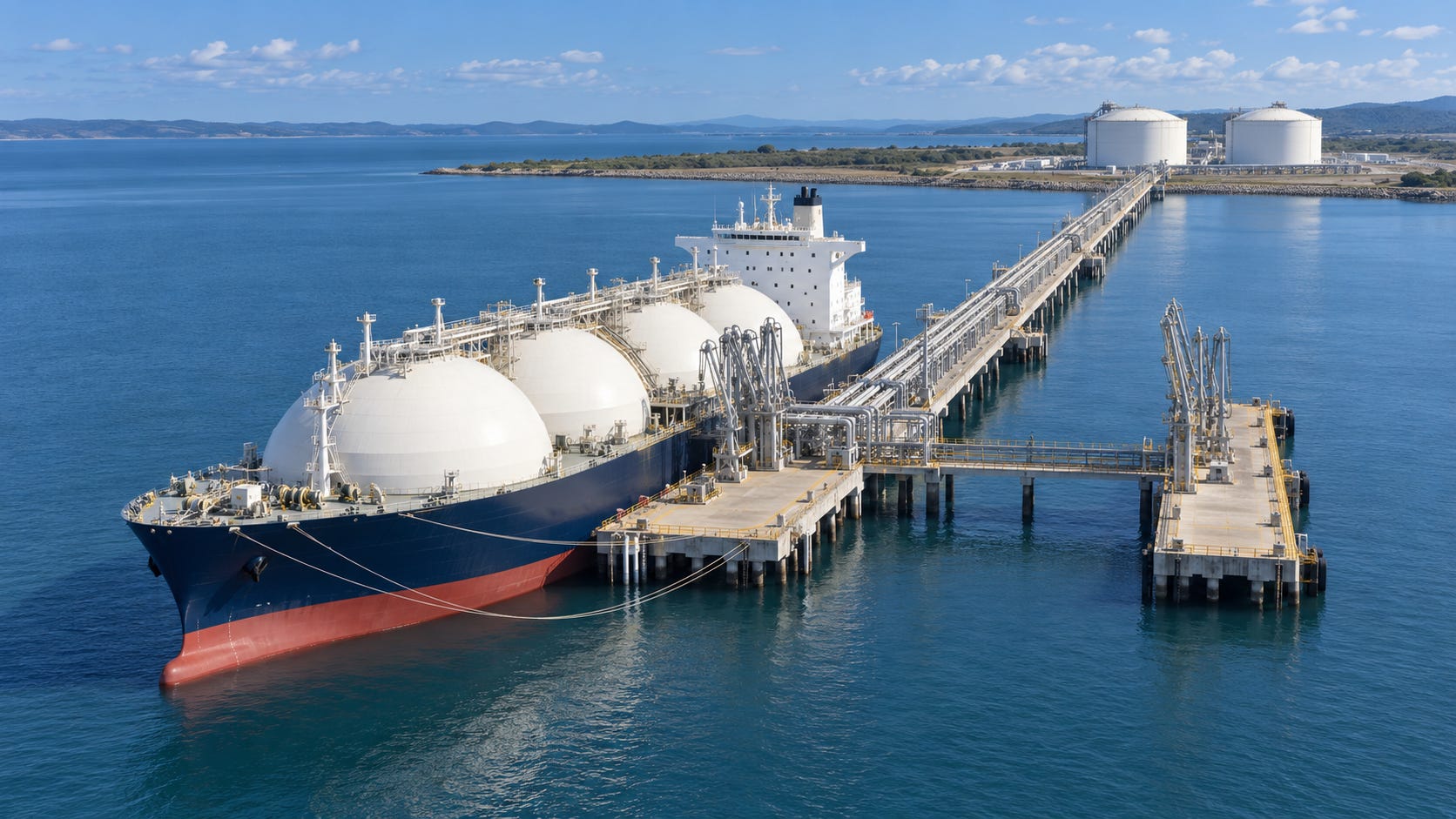
Donald Trump met Ursula von der Leyen, who leads the European Commission, at Turnberry, in Scotland, on July 27, 2025, and the two agreed a trade framework under which the European Union intends to buy US energy worth $750 billion through 2028, a sum the Commission put at $250 billion a year.
The first 12 months of trade data since then fall far short. From August 2025 to July 2026, the EU imported €81.43 billion of US mineral fuels, the oil, gas and coal category in Eurostat’s trade statistics.
At the European Central Bank’s monthly exchange rates, that is $94.78 billion: 37.9 percent of the yearly figure, and $14.23 billion more than in the previous 12 months. On our calculation, more fuel and a weaker dollar account for that rise, not higher prices in euros.
The yearly figure equals 83 percent of everything the United States exported in energy in 2025, by the count of the US Energy Information Administration.
Among the European deals announced by the US exporter Venture Global since the framework was agreed, both 20-year contracts start delivering in 2030, after the pledge period ends.
On October 6, von der Leyen said that the EU wants a market operator to buy energy jointly, in a speech that did not mention the United States.
In December, Trump hosts the G20 at his Doral resort.
This brief sets out what was promised, what was bought, where the rise came from, who does the buying, where America’s cargoes went, what the gap means in vessels, the case for the pledge and what it means for tanker and LNG carrier owners, charterers, traders and compliance officers.
📋 In This Issue:
⚖️ The Story:
What was promised, what the EU actually bought, where the rise came from, who does the buying, where America’s cargoes went, what the gap means in vessels, the case for the pledge and what the record supports
📊 By The Numbers:
The $750 billion, the $250 billion a year, the $94.78 billion, the 37.9 percent, the 83 percent and the gap in LNG cargoes, about 3,100 a year
🌍 Why It Matters:
What it changes for the tanker owner and broker, the LNG carrier owner and financier, the charterer and trader and the compliance officer
👀 What To Watch:
The European Council, Eurostat’s monthly figures, the midterms and the G20 at Doral, America’s new LNG capacity and the falsifier that would change this brief’s reading
🚨 Gosships Signal:
The promise, the cargo and the gap between them


